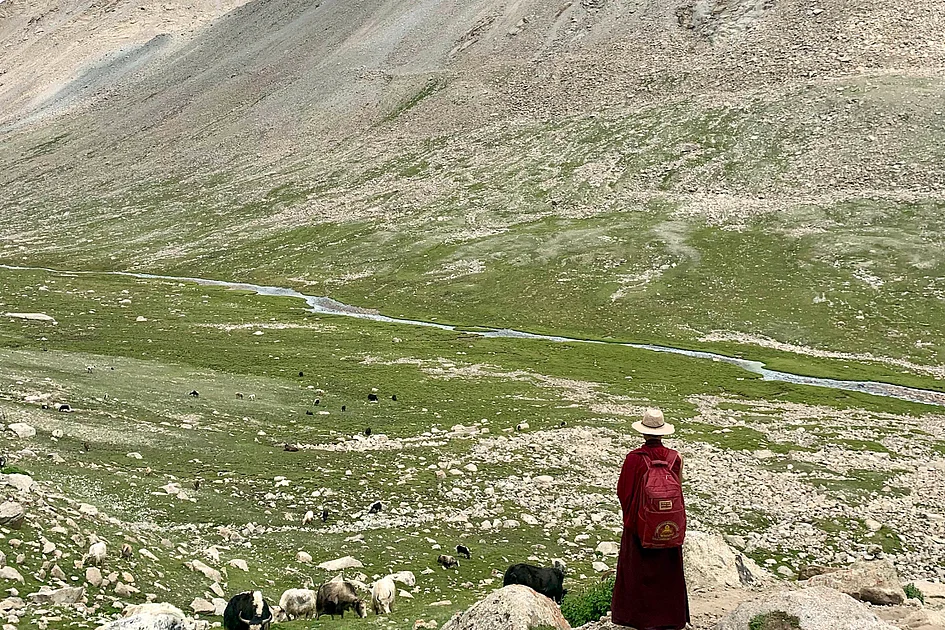
At 18,471 feet above sea level on Tibet’s Dolma Pass, the thin air extracts every breath with painful precision. This arduous ascent forms part of the sacred kora around Mount Kailash—a 32-mile pilgrimage believed to cleanse sins and bring practitioners closer to nirvana. For one woman, this physical challenge became the backdrop for processing profound personal loss: the recent death of her sister and the collapse of her 19-year marriage.
Seven months after her sister’s passing, her husband requested divorce, citing years of mutual unhappiness. What followed was a year of emotional probation—attempting to become a “good wife” through careful politeness while teaching at a new university and writing a novel about 19th-century Tibetan travelers during pre-dawn hours.
The pilgrimage presented both physical and symbolic challenges. Tibetan guides offered stereotypical assumptions about Indian travelers while suggesting pony rides for the difficult ascent. Despite struggling with altitude and remembering a terrifying previous experience with mountain ponies, the author refused, determined to make the journey on foot.
Along the treacherous path, Tibetan women with children strapped to their backs greeted her with “tashi delek” (wishes for success), their fluid movements contrasting with her labored progress. At the summit, pilgrims pasted photos of deceased loved ones on boulders, hoping to help their souls find deliverance near the home of Hindu deity Shiva.
In the oxygen-deprived environment, the author found unexpected confession possible, revealing her separation to her guide on what would have been her 20th wedding anniversary. The guide responded with Buddhist philosophy, suggesting her husband’s purpose in her life had been fulfilled and encouraging gratitude for their time together rather than regret for its ending.
The landscape itself became part of the healing process—the dangerous beauty, the marmots unafraid of humans, the Tibetan monks picnicking casually amidst the harsh conditions. During the final day’s walk past prayer-carved rocks and cliffside warnings, the author experienced her first moments of happiness since her sister’s cancer diagnosis six years earlier.
In the proximity of her sister’s deities, self-forgiveness emerged as a possibility. The anxiety-driven contortions to make herself “lovable” gave way to acceptance that her flaws made her human rather than despicable. Watching Tibetan pilgrims pray for everyone on Earth, atonement no longer seemed impossible—even if hot showers remained hours away and the immediate reality included frozen tap water and delayed meals.