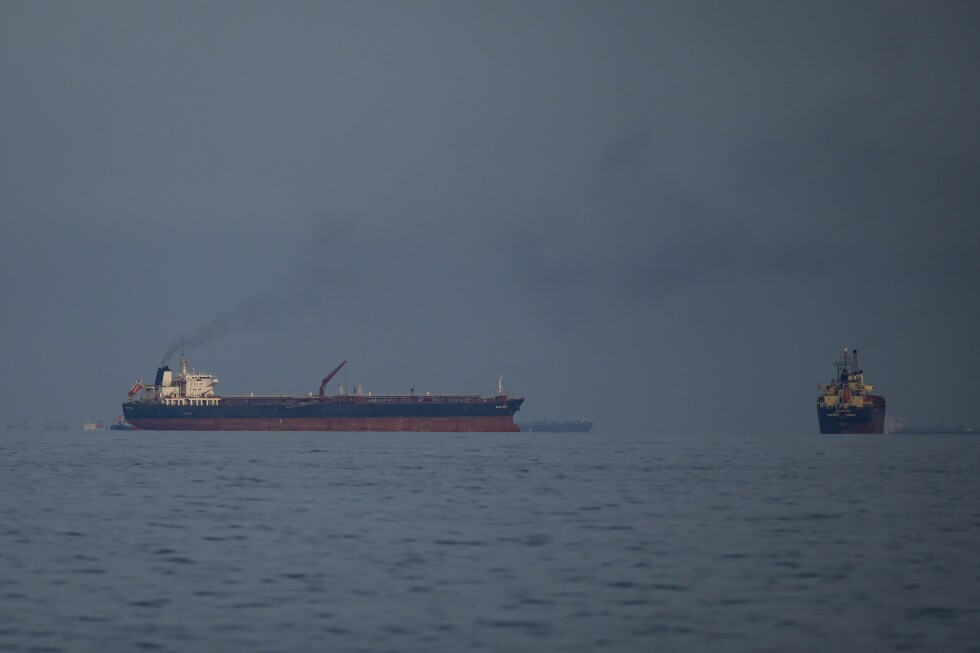
Multiple commercial vessels navigating the strategic Strait of Hormuz and Persian Gulf waters have begun broadcasting ‘China-linked’ identification signals since the escalation of regional hostilities, according to marine traffic analysis. Shipping data reveals at least eight vessels have modified their destination transponders to display messages including ‘CHINA OWNER’ and ‘CHINA OWNER&CREW’ while traversing these conflict-prone waterways.
Maritime security experts indicate this emerging practice represents a calculated risk-mitigation strategy rather than a navigational requirement. Ana Subasic, trade risk analyst at data analytics firm Kpler, emphasized that ‘the primary objective of vessels publicly identifying themselves as Chinese during Gulf transits is risk reduction rather than facilitating strait passage.’
The tactical signaling appears rooted in Iran’s established pattern of avoiding confrontation with Chinese-affiliated entities, reflecting Beijing’s neutral diplomatic stance and substantial economic ties with Tehran. Kun Cao, client director at consulting firm Reddal, characterized the messages as essentially stating: ‘Do not mistake me for the kind of ship you said you would hit.’
This development occurs against a backdrop of heightened maritime insecurity, with at least 19 commercial vessels damaged in regional hostilities according to recent counts. Notably, most vessels adopting Chinese identifiers were not China-flagged, instead sailing under registrations including Panama and the Marshall Islands—a common practice in global shipping where flags often don’t reflect ownership nationality.
The effectiveness of this self-declaration strategy remains uncertain despite its growing adoption. Rico Luman, ING senior economist specializing in transport logistics, noted that while many bulk carriers maintain genuine Chinese ownership, operational, and cargo connections, the protective value of such declarations is unproven.
Technically, destination signals represent manually entered transponder messages typically used for navigational safety and port planning. Subasic explained that as these signals lack real-time verification, vessels occasionally repurpose them to broadcast ownership or nationality information—a practice previously observed during Houthi attacks in the Red Sea when ships similarly emphasized Chinese affiliations to deter Iranian-backed forces.