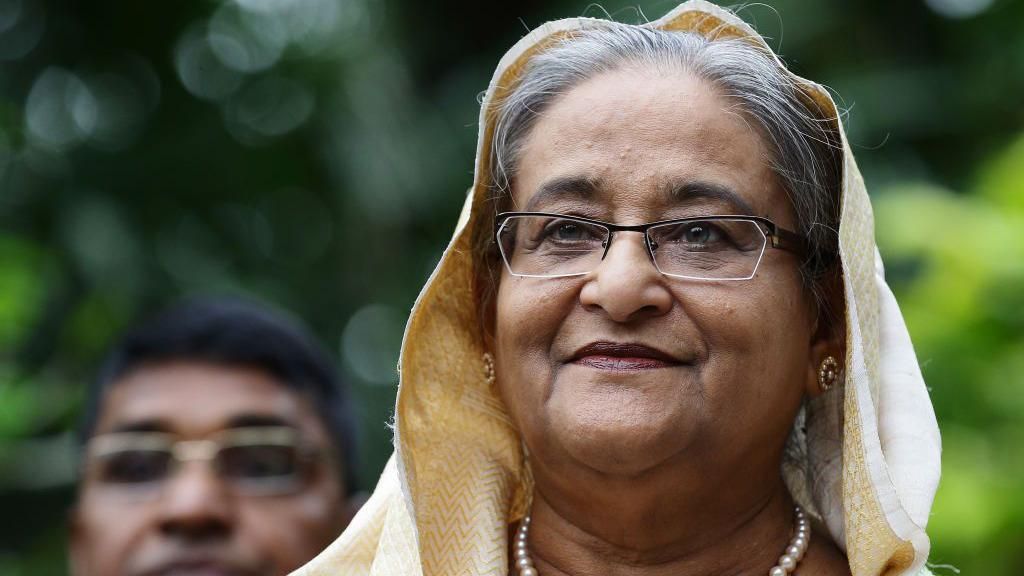
Sheikh Hasina Wazed, Bangladesh’s longest-serving prime minister, once symbolized the nation’s democratic aspirations but now faces grave accusations of authoritarianism and human rights violations. Currently in exile in India, Hasina fled Bangladesh in August 2024 following a student-led uprising that escalated into nationwide unrest. A tribunal in Bangladesh is set to deliver a verdict on whether she ordered a deadly crackdown on protesters, a charge she vehemently denies. Prosecutors have demanded the death penalty if she is found guilty. The protests, which led to her ousting, claimed up to 1,400 lives, according to UN investigators. Hasina’s political career began as a pro-democracy leader, but her rule has been marred by allegations of autocratic behavior, politically motivated arrests, and extra-judicial killings. In January 2024, she secured an unprecedented fourth term in an election widely criticized as fraudulent. The subsequent protests, initially focused on civil service quotas, evolved into a broader anti-government movement. Hasina’s government responded with violent crackdowns, including a leaked audio clip suggesting she ordered the use of lethal force against protesters. On August 5, 2024, one of the bloodiest days in Bangladesh’s history, police killed at least 52 people as crowds stormed her residence. Hasina, tried in absentia, has dismissed the tribunal as a ‘kangaroo court’ orchestrated by her political opponents. She also faces separate charges of crimes against humanity and corruption. Born into a political dynasty, Hasina’s father, Sheikh Mujibur Rahman, was Bangladesh’s founding leader. After surviving a military coup that killed most of her family, Hasina returned from exile in 1981 to lead the Awami League. Her tenure saw significant economic growth, with Bangladesh’s per capita income tripling and millions lifted out of poverty. However, her government has been accused of repressive measures, including enforced disappearances and media suppression. The US sanctioned Bangladesh’s Rapid Action Battalion in 2021 for human rights abuses. As Bangladesh grapples with economic challenges, Hasina’s legacy remains deeply contested, with her supporters praising her economic achievements and critics condemning her authoritarian tendencies.