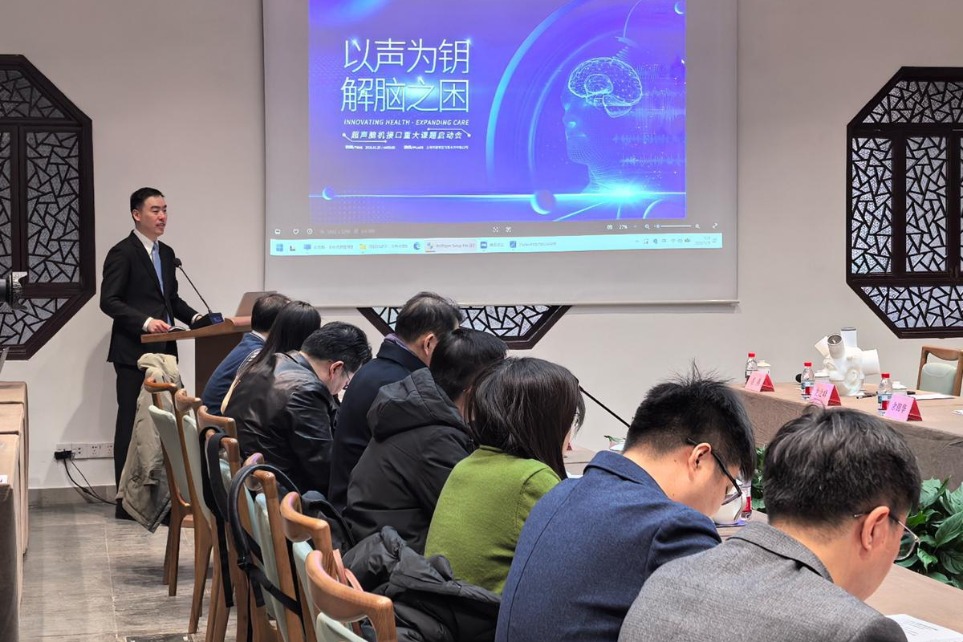
In a significant medical advancement, researchers from Fudan University and Huashan Hospital in Shanghai have announced groundbreaking clinical trial results for glioblastoma treatment using the domestically developed ‘UltraBrainPad’ device. The innovative ultrasound-based technology has demonstrated remarkable success in temporarily opening the blood-brain barrier—a protective mechanism that typically prevents most medications from reaching brain tissue—thereby dramatically enhancing drug delivery to cancerous cells.
The breakthrough represents China’s first clinically proven ultrasound diagnostic and therapeutic tool with clear efficacy against glioblastoma, one of the most aggressive and treatment-resistant forms of brain cancer. According to Dr. Shi Zhifeng, a leading researcher from Huashan Hospital, the technique achieves rapid blood-brain barrier opening within just three minutes, resulting in an average eightfold increase in drug concentration compared to untreated brain tissue.
The UltraBrainPad system employs a semi-invasive approach utilizing a handheld ultrasound probe that provides real-time imaging of the patient’s brain. Physicians can select multiple treatment targets through touch interface, with ultrasound waves simultaneously opening the barrier in all designated areas. Artificial intelligence integration further enhances safety by visually monitoring the degree of barrier opening during the procedure.
Notably, the blood-brain barrier naturally restores itself approximately six hours after treatment, with reported efficacy and safety parameters surpassing international standards. The research team has established optimized ultrasound parameters through extensive preliminary in vitro and animal experiments before progressing to human trials.
Looking forward, researchers plan to initiate clinical studies for recurrent glioblastoma patients while exploring the broader potential of ultrasound brain-machine interfaces. This technology may revolutionize treatments for other neurological disorders including Alzheimer’s disease, opening new therapeutic possibilities in neuroregulation and brain-machine integration that could benefit millions worldwide.