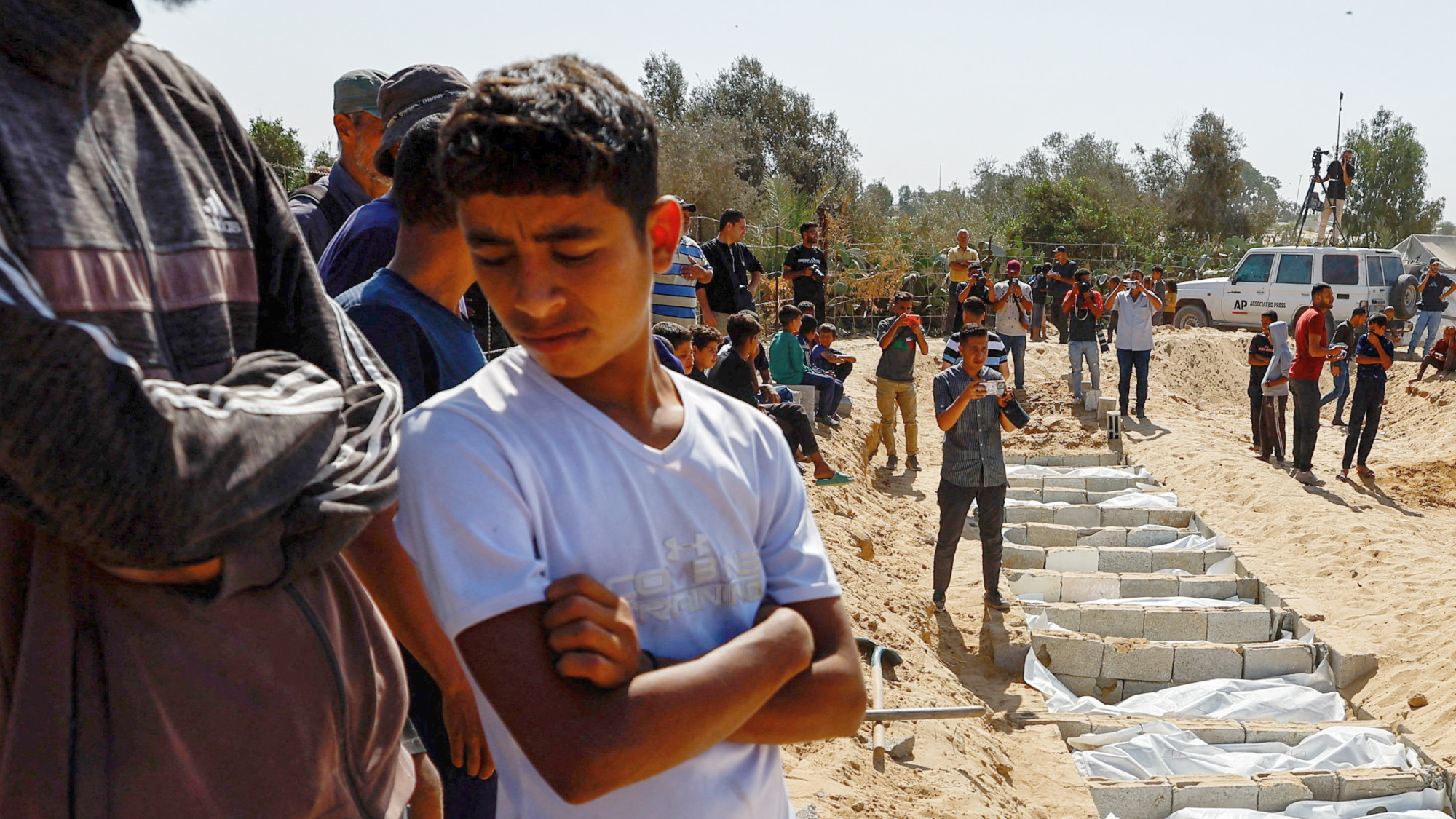
In a deeply disturbing development emerging from the Gaza Strip, Palestinian families are confronting new layers of trauma as they receive the bodies of their missing relatives returned by Israeli authorities under controversial circumstances. The remains, arriving frozen and marked only with identification numbers, have sparked grave concerns about potential organ harvesting and systematic mutilation while in custody.
The process unfolds at Nasser Hospital in Khan Younis, where forensic teams struggle with inadequate equipment to properly examine the bodies. According to Dr. Khalil Hamada, Director General of Forensic Medicine in Gaza, the extreme freezing conditions and lack of diagnostic equipment prevent comprehensive examinations. ‘What we do is not a full forensic examination,’ Hamada confirmed to Middle East Eye. ‘The process is limited to documenting individual distinguishing features so families can identify their loved ones.’
Heartbreaking identification procedures involve displaying photographs of the mutilated remains on large screens, with families desperately searching for recognizable features. Muhammad Ayesh Ramadan of Deir al-Balah spent four days searching before identifying his brother Ahmed through facial recognition with ’70 percent certainty.’ The body showed evidence of multiple gunshots, burning, and a vertically stitched incision running from chest downward—particularly disturbing as his brother had never undergone surgery.
Medical authorities report that nearly all bodies show evidence of amputated digits, particularly thumbs and big toes, which Israeli authorities claim are removed for DNA testing. However, the complete absence of forensic reports, cause-of-death information, or any documentation from Israeli authorities has fueled suspicions among grieving families.
The situation becomes more alarming with numerous bodies showing signs of torture, fractured bones, and evidence of being bound and blindfolded at time of death. Zeinab Ismail Shabat identified her brother Mahmoud through distinctive hair and eye features, only to discover his hands and feet bound with metal restraints, indicating he was ‘martyred while restrained.’
Of the 345 bodies returned to date, only 99 have been positively identified. The remainder have been buried in mass graves without identification, creating a permanent legacy of uncertainty for hundreds of Gaza families. The combination of systematic mutilation, absence of transparency, and inadequate forensic capabilities has created a humanitarian crisis that extends beyond death itself, denying families both answers and the dignity of proper burial for their loved ones.