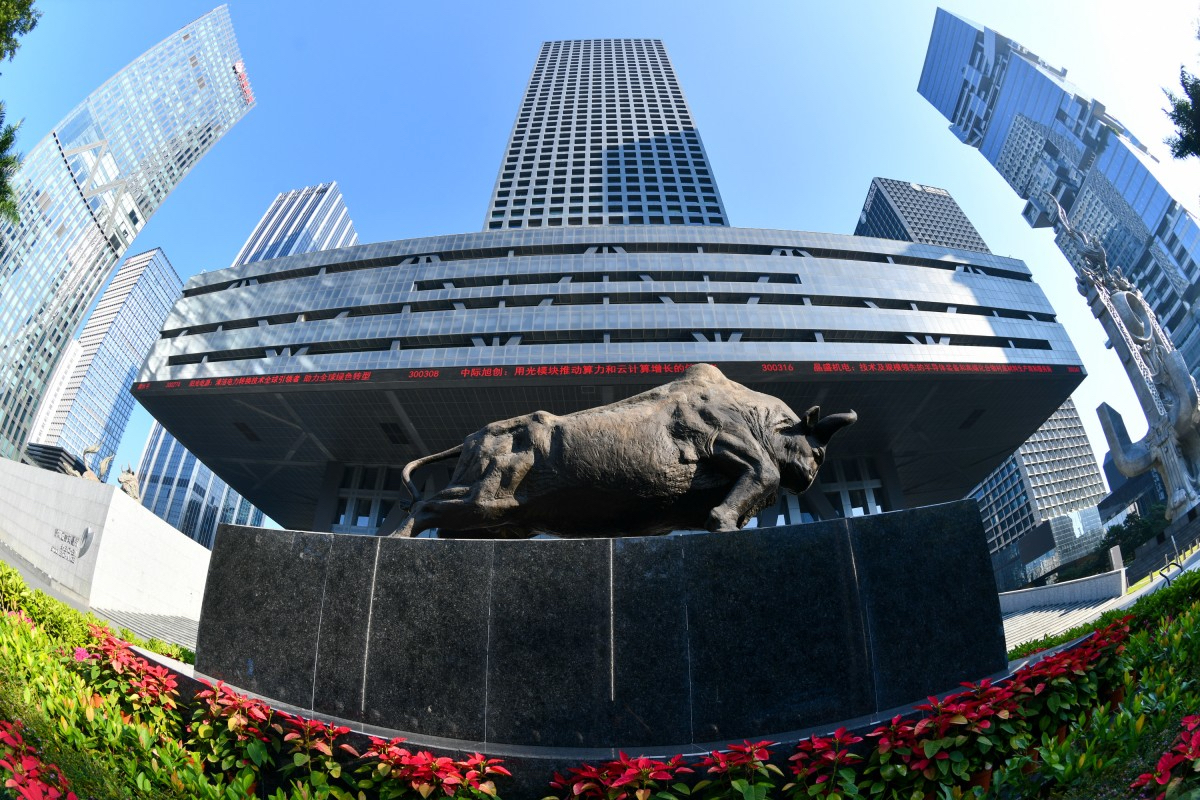
TOKYO — Against a backdrop of escalating geopolitical tensions and unconventional US policy maneuvers, China’s financial markets are demonstrating remarkable resilience as global investors recalibrate their strategies. Major financial institutions are now projecting significant growth for Chinese equities, with Goldman Sachs forecasting a 20% surge in the MSCI China Index for 2026, building upon the previous year’s 28% rally.
According to Kinger Lau, strategist at Goldman Sachs, the anticipated equity appreciation will be predominantly earnings-driven, supported by three critical factors: artificial intelligence advancement, China’s ‘Going Global’ initiative, and ‘anti-involution’ policy measures. This optimistic outlook emerges despite ongoing concerns about China’s economic reforms and property market stability.
The investment landscape is further bolstered by approximately $7 trillion in Chinese time deposits maturing this year, creating a substantial pool of domestic capital poised for market deployment. This liquidity surge coincides with expectations of additional stimulus measures from Beijing following China’s fourth-quarter 2025 economic performance, which at 4.5% year-on-year growth, represented the weakest expansion in three years.
Global financial institutions are notably revising their China assessments. Fidelity analyst George Efstathopoulos recently declared China no longer ‘uninvestable,’ while Bernstein Societe Generale Group upgraded its China equities outlook. Wang Dan of Shenzhen Sunrise Asset Management anticipates ‘a slow bull trend’ to continue, citing declining interest rates and strategic positioning in undervalued assets.
The yuan’s simultaneous strengthening with Shanghai stocks in 2025 has particularly captured strategists’ attention. Christy Tan, Franklin Templeton strategist, notes that ‘a firmer yuan can help equities by improving dollar-based returns and risk sentiment,’ creating a virtuous cycle where genuine equity inflows support currency valuation.
Citigroup economist Xiangrong Yu observes a ‘markedly positive shift in investor narrative on China,’ predicting managed yuan appreciation to 6.8 against the dollar within 6-12 months from the current 6.96. UBS Group similarly anticipates further yuan gains against trading partner currencies, reflecting robust export performance and trade surplus.
This renewed confidence in Chinese assets contrasts sharply with mounting concerns about US market stability under the Trump administration’s unconventional policies. Recent actions including tariff escalations, threats to Federal Reserve independence, and unconventional foreign policy moves have created global financial uncertainty. Evercore ISI analyst Krishna Guha warns of a potential ‘sell-America trade’ resurgence similar to April 2025’s market turbulence.
The implications extend beyond bilateral relations, affecting global debt markets as evidenced by recent volatility in US Treasuries and Japanese government bonds, where 40-year yields reached 4% – the highest in decades. Institute of International Finance economist Emre Tiftik notes investor attention is ‘increasingly shifting toward government bond auctions and borrowing plans’ amid elevated budget deficits.
This global financial recalibration presents both opportunity and imperative for China. While Trump administration policies inadvertently enhance China’s appeal as a financial alternative, Beijing faces pressure to accelerate promised reforms including fuller yuan convertibility, enhanced transparency, and property market stabilization. With trillions in domestic capital awaiting deployment and global investors watching closely, China’s financial evolution enters a critical phase amid unprecedented global monetary uncertainty.