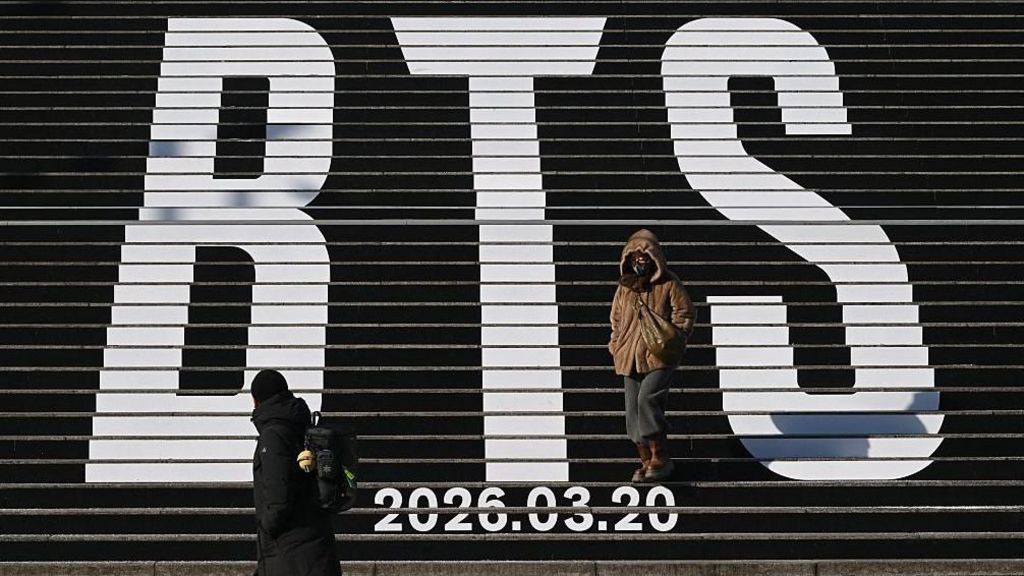
Seoul’s historic Gwanghwamun Square prepares for an unprecedented cultural phenomenon this Saturday as global superstars BTS return to the stage for their first full-group performance since October 2022. The monumental event marks the culmination of the seven-member ensemble’s mandatory military service completion, with over 250,000 enthusiasts expected to descend upon the capital’s central district.
While merely 22,000 fortunate ticket-holders will access the primary concert venue, the majority will experience the spectacle through massive outdoor screens strategically positioned throughout the square. The performance, set against the majestic backdrop of a 14th-century royal palace gateway, will feature selections from their highly anticipated new album ‘Arirang’, scheduled for release Friday afternoon.
Netflix has secured exclusive global streaming rights for the event alongside documentary coverage of the band’s reunion, representing a significant marketing achievement for the platform’s substantial investments in Korean entertainment content.
The concert transcends musical performance, embodying Korea’s cultural soft power resurgence through record-breaking pop artistry and electrifying choreography. BTS’s return triggers an 82-date world tour commencing next month, spanning over 30 international cities from Singapore to Los Angeles.
Seoul authorities have implemented extraordinary security measures, deploying approximately 7,000 police personnel including SWAT units with anti-drone technology. Thirty-one controlled entry points with metal detectors will regulate access to the square, while three adjacent subway stations will temporarily close. Despite South Korea’s stringent firearm regulations, officials have temporarily suspended civilian retrieval of weapons stored at police stations.
The event’s logistical scale has sparked public debate regarding resource allocation. While local businesses anticipate record revenues—with hotels fully booked months in advance and restaurants preparing multilingual menus—some citizens express concerns about urban disruption. A pre-scheduled wedding near the square faces accessibility challenges, illustrating the event’s widespread impact on daily life.
Free ticket distribution methodology has drawn mixed reactions, with 13,000 initial reservations claimed instantly despite over 100,000 simultaneous online queuers. Subsequent 7,000-ticket releases sold out within minutes, prompting fan-led campaigns against reselling and absenteeism.
For international devotees like Russian student Ami Ostrovskaia, whose passion for BTS inspired her relocation to Seoul, the event represents cultural pilgrimage. ‘This performance symbolizes resolution to years of anticipation,’ she shares while displaying miniature band member figurines. ‘Their collective artistry carries profound personal meaning.’
The Korea Culture & Tourism Institute previously estimated individual BTS performances could generate approximately $842 million in combined revenue, encompassing ticket sales, merchandise, tourism, and ancillary expenditures. While supporters emphasize the group’s unparalleled contributions to Korea’s global image, critics question the precedent of substantial public resource dedication for commercial entertainment events.
As the city transforms into an open-air stadium, the spectacle represents both triumphant artistic return and complex dialogue regarding cultural prioritization in modern society.