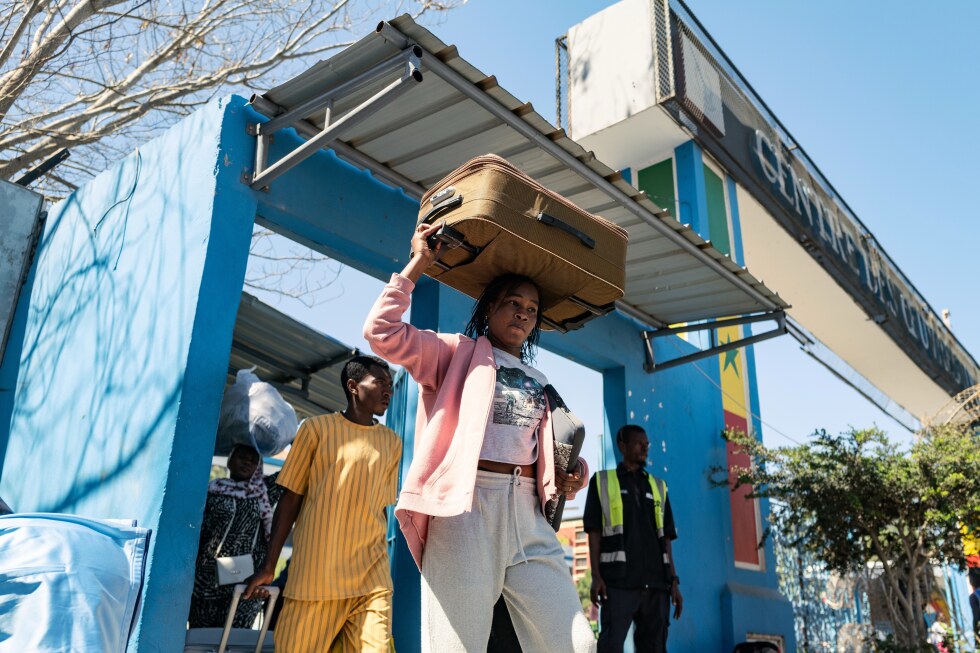
DAKAR, Senegal — Senegal’s premier higher education institution descended into chaos this week as violent protests over delayed student stipends culminated in a tragic death and mass campus evacuations. The incident has exposed deep-seated systemic failures in the country’s education funding system and sparked nationwide outrage.
Authorities confirmed the death of Abdoulaye Ba, a second-year medical student, following severe head injuries sustained during demonstrations at Cheikh Anta Diop University. While official reports remain vague, student representatives assert Ba was not participating in protests but was brutally assaulted by police within his residence. Social media footage captured terrifying scenes of students fleeing burning dormitories, some leaping from windows to escape the inferno.
The unrest stems from a protracted stipend crisis affecting approximately 80,000 students at West Africa’s largest university. Many have endured months without receiving their 40,000 CFA franc ($73) monthly allowances—a critical financial lifeline for the majority who rely solely on this support. The situation deteriorated when university administrators shut down cafeterias after students refused to pay for meals typically covered by food stamps.
This tragedy occurs against a backdrop of recurring academic disruptions that have plagued Senegalese universities for years. Extended closures—sometimes exceeding nine months—have created overlapping academic years and bureaucratic delays in stipend distributions. The current government inherited substantial debt from previous administrations, complicating resolution efforts despite campaign promises to address corruption and improve resource management.
Interior Minister Mouhamadou Bamba Cissé acknowledged “acts of violence observed on both sides” during a press conference where unverified footage of Molotov cocktails played nearby. Amnesty International Senegal joined rights groups in condemning the “disproportionate use of force by police” at the university.
The political dimension adds complexity to the crisis. Many students previously supported Prime Minister Ousmane Sonko and President Bassirou Diomaye Faye, who gained popularity through anti-corruption platforms. However, their administration’s response to the stipend crisis has generated widespread disillusionment among former supporters.
Khadija Ndiaye, a history student without stipends for three months, expressed betrayal: “We were fighting for him during his campaign. It’s contradictory for him to now say students can survive without stipends.” Literature student Ibrahima Diatta echoed this sentiment, noting that stipends function as “de facto salaries” for many students supporting rural families.
Education experts warn that the government’s decision to close campus housing—forcing thousands to return to countryside homes—may exacerbate academic calendar disruptions and further delay stipend payments. As David Célestin Faye, secretary-general of Senegal’s professors’ union, emphasized: “Students are not a burden, they are an investment that must be supported.”