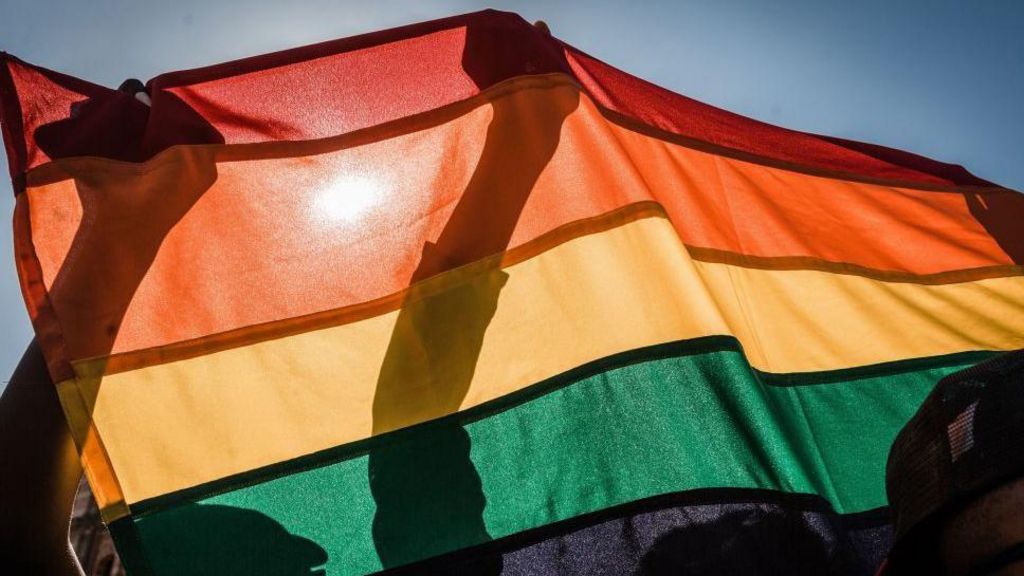
In a significant legislative move, Senegal’s Prime Minister Ousmane Sonko has proposed substantially increased penalties for same-sex relations, potentially doubling prison terms to a maximum of ten years. The controversial bill, approved by the cabinet last week and formally submitted to parliament on Tuesday, represents the government’s latest effort to strengthen existing prohibitions against homosexual activities in the predominantly Muslim nation.
The proposed legislation specifically targets what it categorizes as “acts against nature,” elevating potential prison sentences from the current one-to-five year range to five-to-ten years. Notably, the draft law stipulates that offenses involving minors would automatically incur the maximum penalty. Additionally, the bill introduces provisions for punishing those who promote or advocate for same-sex relations with three to seven years imprisonment, while also prescribing penalties for unsubstantiated accusations of homosexuality.
Financial penalties have also been substantially increased under the proposed legislation, with fines reaching up to 10 million CFA francs (approximately $18,000). Despite these heightened punishments, Prime Minister Sonko emphasized that same-sex relations would maintain their current classification as misdemeanors rather than being elevated to more serious criminal categories.
The legislative initiative follows a recent wave of arrests targeting alleged same-sex relationships, with local media reporting approximately 30 detentions this month alone, including two public figures and a prominent journalist. These developments occur against a backdrop of longstanding tensions surrounding LGBT rights in Senegal, where conservative religious groups frequently characterize pro-LGBT activism as foreign interference and have organized demonstrations demanding stricter enforcement of anti-homosexuality laws.
Prime Minister Sonko, a former opposition leader appointed to his current position in 2024, had previously pledged to criminalize same-sex relations in the West African country. His Pastef party maintains control of the parliamentary chamber where the bill will eventually be voted upon, though no specific date has been set for the legislative debate.
International human rights organizations have condemned both the proposed legislation and recent enforcement actions. Human Rights Watch specifically criticized the crackdown as violating “multiple internationally protected rights,” including principles of equality and nondiscrimination. Senegal’s move aligns with a broader trend across several African nations, including Burkina Faso and Mali, which have recently implemented similar sanctions against LGBT communities. Uganda notably enacted some of the world’s most severe anti-homosexuality legislation in 2023, including potential death penalties for certain same-sex acts.