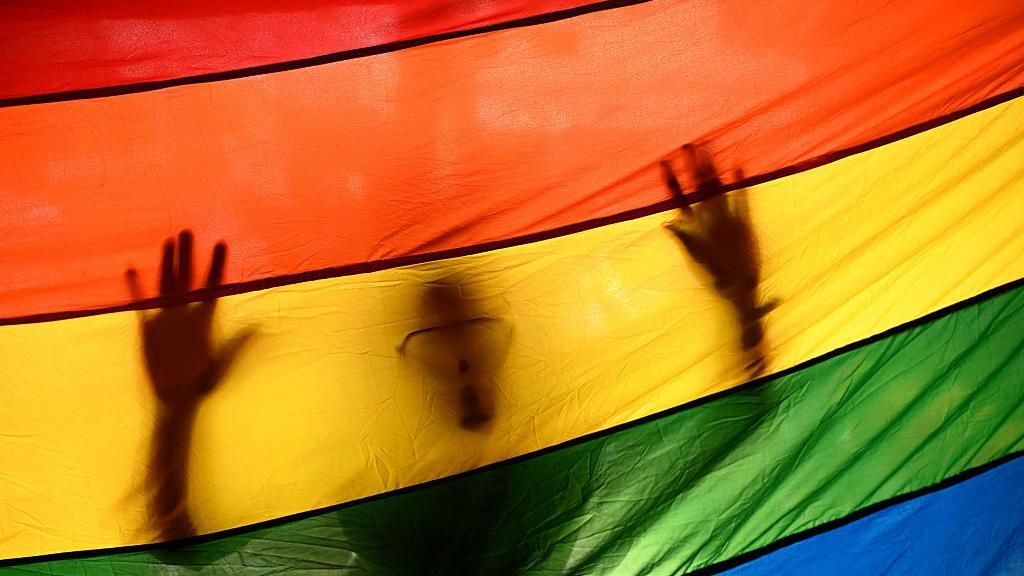
Senegal’s National Assembly has overwhelmingly passed sweeping legislation that significantly intensifies penalties for same-sex relationships while criminalizing any form of homosexuality advocacy. The parliamentary vote saw 135 members in favor, zero against, and three abstentions, paving the way for presidential ratification that would enact the stringent measures into law.
This legislative initiative fulfills campaign commitments made by President Bassirou Diomaye Faye and Prime Minister Ousmane Sonko, emerging amid heightened enforcement actions against alleged homosexual activities. The new statute doubles maximum imprisonment terms from five to ten years for same-sex acts and introduces substantial fines reaching 10 million CFA francs (approximately $17,600).
Government spokesperson Amadou Moustapha Ndieck Sarré defended the legislation against international condemnation, asserting that it reflects Senegal’s cultural and religious values. “The overwhelming majority of Senegalese people reject homosexuality,” Sarré stated. “Our cultural foundations firmly oppose such practices.”
Conservative advocacy groups, including the moral values organization And Sàmm Jikko Yi, have long pressured authorities for stricter anti-homosexuality measures. These entities argue that the strengthened legal framework is essential for preserving Senegal’s societal norms.
However, human rights organizations have issued grave warnings regarding the legislation’s potential consequences. Larissa Kojoué, researcher at Human Rights Watch, emphasized that “criminalizing same-sex conduct and arresting individuals based on sexual orientation violates multiple internationally protected rights, including principles of equality and non-discrimination.”
Medical and public health experts express particular concern about the law’s impact on HIV prevention efforts. Dr. Charles Dotou, head of Senegal’s LGBTQ Association, cautioned that the legislation would drive vulnerable communities underground, potentially creating “chaos in society” through increased fear and migration.
Dr. Safiétou Thiam, executive secretary of Senegal’s National Council for the Fight Against AIDS, warned that the law jeopardizes decades of public health progress. “We risk undermining the results of 30 to 35 years of efforts in combating HIV/AIDS,” Thiam noted, highlighting that Senegal currently maintains one of West Africa’s lowest HIV prevalence rates at 0.3% among adults.
This legislative development aligns with a broader trend across Africa, where several nations including Uganda, Ghana, Burkina Faso, and Mali have recently implemented or proposed stringent anti-LGBTQ+ measures. The Senegalese legislation specifically targets what it describes as “acts against nature,” expanding both punitive measures and their application to those perceived as promoting homosexual relationships.