The U.S. Senate is poised for a crucial vote on Thursday regarding a war powers resolution that would restrict President Donald Trump’s ability to initiate further military actions against Venezuela without congressional approval. This legislative move follows the controversial capture of Venezuelan President Nicolás Maduro and his wife during a surprise nighttime raid conducted by U.S. forces over the weekend.
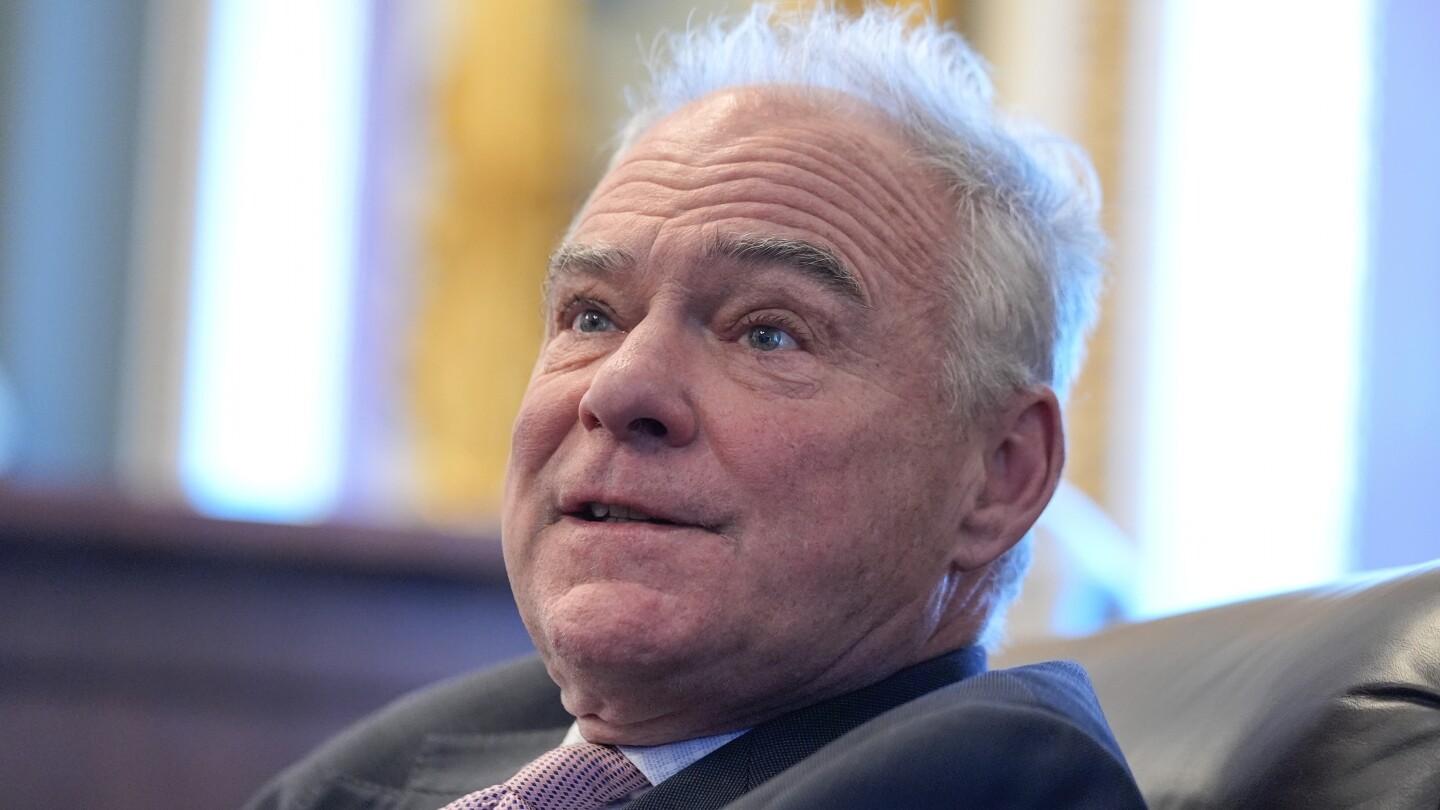
The resolution, championed by Senator Tim Kaine (D-Va.), represents the latest congressional effort to reassert legislative authority over military deployments after multiple previous attempts failed during Trump’s escalating campaign against the South American nation. The administration has employed evolving legal justifications for its operations across Central and South America, ranging from counter-terrorism authorizations to law enforcement operations aimed at extraditing Maduro to face trial in the United States.
Republican leadership has largely expressed support for Trump’s actions, with Senate Majority Leader John Thune (R-S.D.) praising the president’s ‘peace through strength’ approach in the hemisphere. However, some Republican senators including Susan Collins of Maine and Thom Tillis of North Carolina indicated they were carefully considering their positions on the resolution, with Tillis emphasizing the need for congressional authorization before committing troops to Venezuela.
The debate occurs against the backdrop of the rarely enforced War Powers Act, passed over President Nixon’s veto following the Vietnam War. This legislation requires presidents to notify Congress within 48 hours of military deployments and obtain authorization for sustained operations—provisions that multiple administrations have routinely stretched.
Democratic leaders have characterized Trump’s foreign interventions as distractions from domestic issues, with Senate Democratic leader Chuck Schumer questioning why a president who campaigned on ‘America First’ was dedicating substantial energy to overseas escapades. The discussion has expanded beyond Venezuela to include potential actions against Greenland, with Senator Lindsey Graham (R-S.C.) asserting the commander-in-chief’s unilateral authority while other Republicans criticized such proposals as ‘amateurish’ and ‘absurd.’
Progressive Democrats are preparing additional resolutions to prevent military action against multiple countries, signaling an ongoing constitutional confrontation between the legislative and executive branches regarding war powers.