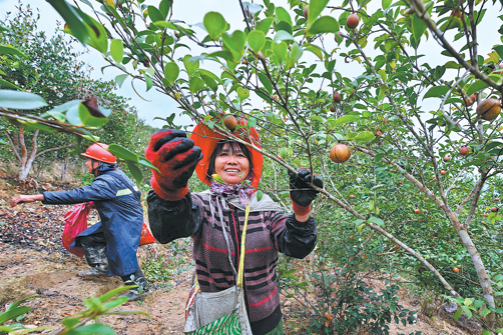
China has achieved a remarkable 53% increase in domestic camellia oil production since 2020, reaching an annual output of 1.1 million metric tons through a strategic national initiative. This substantial growth stems from a dedicated three-year program that expanded specialized camellia forests by 787,000 hectares while simultaneously transforming 647,000 hectares of low-yield plantations, according to the National Forestry and Grassland Administration.
The total cultivation area for economically valuable tea-oil camellia plants now spans 5 million hectares—equivalent to the entire land area of Costa Rica—solidifying China’s position as the global leader in camellia oil production, accounting for 90-95% of worldwide supply.
Despite this dominant production share, China remains heavily dependent on imported edible vegetable oils, purchasing over 10 million tons annually with nearly 70% of its supply coming from foreign sources. This dependency has prompted the government to prioritize camellia oil development as a crucial strategic response to enhance food security and reduce import reliance.
In early 2023, China implemented a comprehensive action plan spanning through 2025, accompanied by substantial subsidy programs for camellia planting. The ambitious plan targets expansion of camellia plantations to exceed 6 million hectares with production capacity reaching 2 million tons by the current year.
The administration, in collaboration with the Ministry of Finance, established a subsidy program creating model production zones requiring contiguous camellia forests exceeding 33,000 hectares and total investments surpassing 1 billion yuan ($141 million). To date, 12 billion yuan in subsidies has been distributed to support these initiatives.
Future measures will focus on addressing industrial chain bottlenecks, cultivating leading processing enterprises, and promoting comprehensive utilization of by-products. The administration also announced exploration of innovative integrated development models combining camellia planting with tourism and medicinal herbs to maximize economic returns.