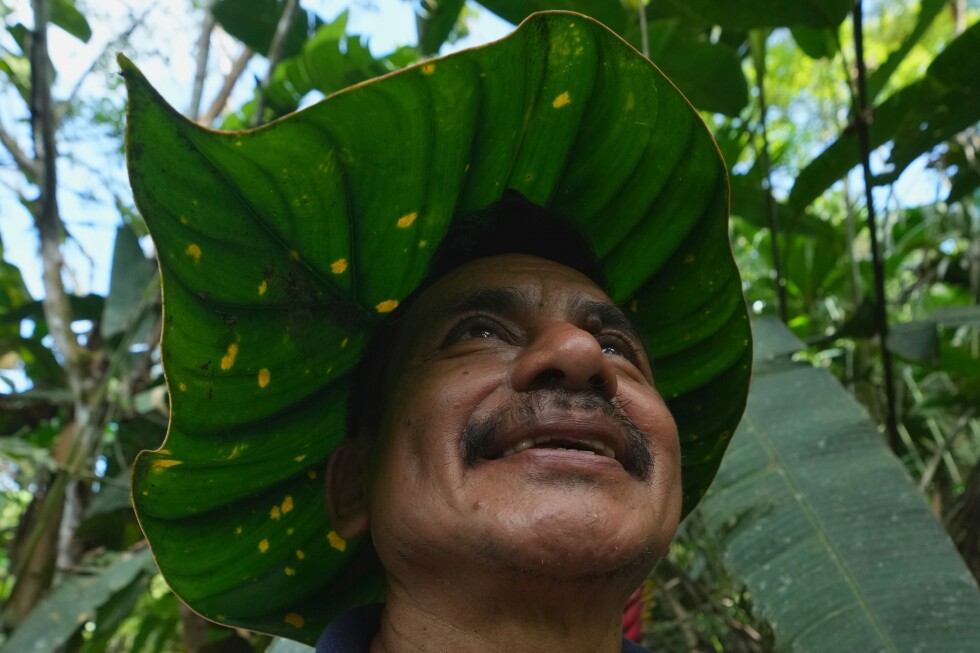
In the heart of Ecuador’s Amazon jungle, a remarkable conservation story unfolds as Ramón Pucha and his family wage a solitary battle against ecological decline. The 51-year-old environmentalist regularly embarks on perilous five-day expeditions deep into the wilderness, tracking some of the world’s most threatened plant species while navigating natural predators like pumas that leave fresh tracks alongside his path.
The Pucha family’s 32-hectare farm, El Picaflor, located in the Indigenous Quichua community of Alto Ila (128 kilometers southeast of Quito), serves as a vital sanctuary for rescued flora. What began as personal passion has evolved into a sophisticated conservation operation, with Pucha’s wife Marlene Chiluisa managing the delicate process of planting collected seeds in specialized soil and compost. Their efforts have transformed formerly barren pastureland into a thriving ecosystem that the Ministry of Agriculture and Livestock recognizes as both a “living laboratory” and crucial seed bank.
Climate change presents increasingly formidable challenges, with Pucha frequently returning empty-handed due to severe droughts that have disrupted traditional seed production cycles. Despite these obstacles, the family shares their botanical successes, selling or gifting plants to neighbors committed to forest regeneration.
The conservation legacy now extends to the next generation through 21-year-old Jhoel, an expert botanist who navigates the turbulent Ila River while identifying plants by their common, traditional, and scientific names. Yet this intergenerational effort receives no institutional support—neither from government agencies nor foundations—even as Ecuador’s environmental protections face potential erosion through the recent merger of the Environment Ministry with the Ministry of Energy and Mines.
Pucha’s vision extends beyond immediate results, symbolized by his care for a rare fine wood tree that will require a century to reach maturity. “That is my legacy for my children and for humanity,” he states, recognizing these species as essential to the Amazon’s survival—providing both human medicine and food sources for animals that naturally replant the forest.