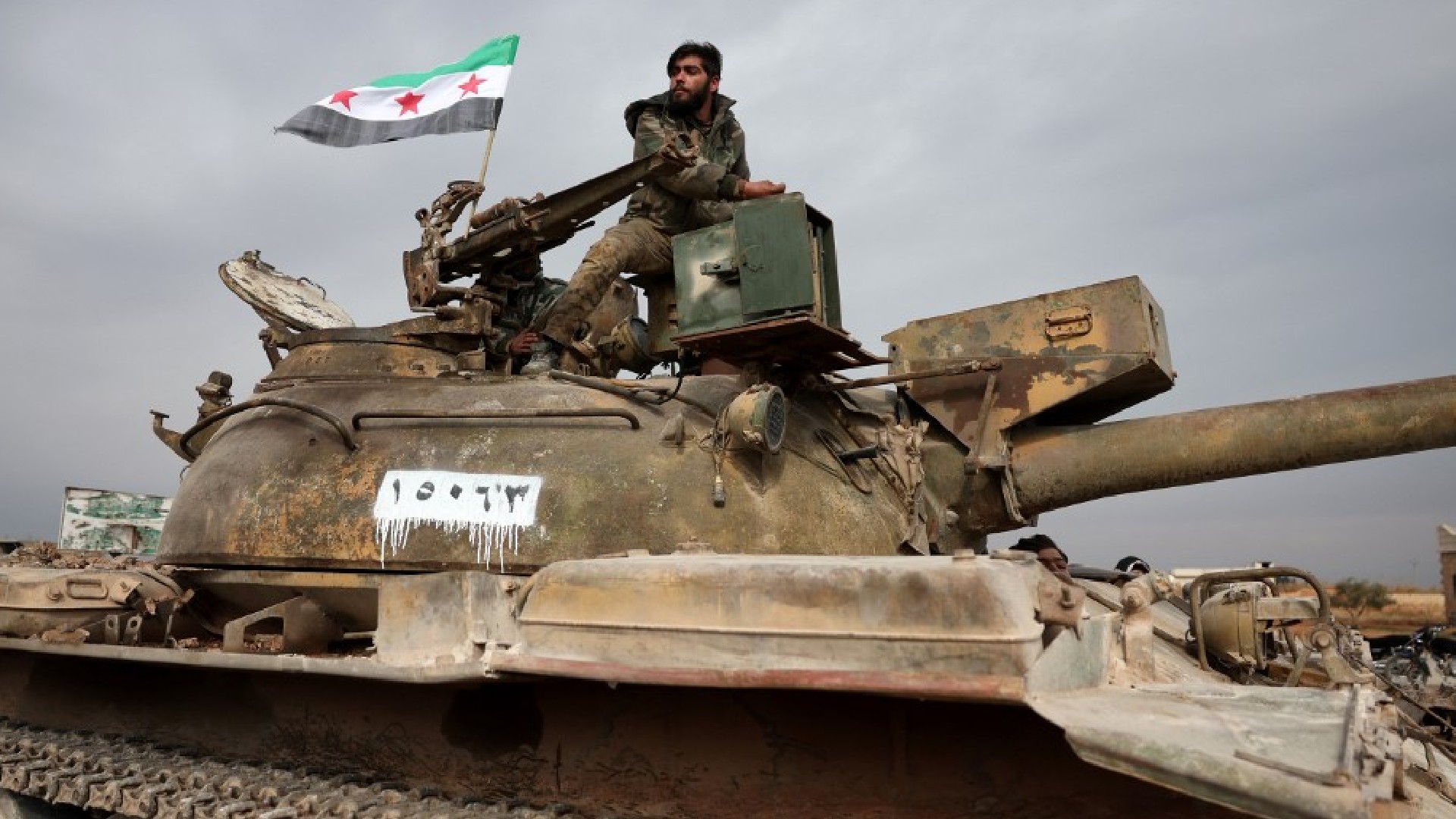
A fragile withdrawal agreement between Syrian government forces and the Kurdish-led Syrian Democratic Forces (SDF) has collapsed, triggering intense military confrontations in northern Syria. The SDF reports being engaged in fierce clashes with pro-Damascus factions advancing on territories in Raqqa province, prompting Kurdish authorities to impose an indefinite curfew.
The conflict erupted after the SDF agreed to withdraw its fighters east of the Euphrates River following two days of hostilities in the Aleppo region. While government troops successfully captured several towns and villages southwest of the Euphrates, they subsequently declared Kurdish-held areas in Raqqa province—including the strategic city of Tabqa—a “closed military zone.”
According to SDF statements, Damascus violated the ceasefire agreement by launching attacks before Kurdish forces had completed their withdrawal from Deir Hafer and Maskana in Aleppo province. The SDF claims some of its fighters remain besieged in Deir Hafer due to what they term “government treachery.”
Syrian state media presents a contrasting narrative, accusing Kurdish fighters of planting explosives on a bridge along the eastern road to Raqqa—an action the military warned could “disrupt the agreement” and incur “severe consequences.” The army has demanded the SDF immediately fulfill its commitment to withdraw completely east of the Euphrates and evacuate its fighters from Tabqa.
Meanwhile, the Syrian government announced the capture of Raqqa province’s Resafa area and several nearby villages, including al-Thawra and a significant oil field in the region.
The military escalation occurs alongside a potentially transformative political development: Syrian Interim President Ahmad al-Sharaa issued a decree formally recognizing the legal status and cultural rights of Syrian Kurdish citizens. This unprecedented acknowledgment of Kurdish national rights since Syria’s 1946 independence has been met with skepticism by Kurdish parties, who view it as symbolic rather than a substantive solution to their longstanding demands.