As the conflict between Israel and Hamas intensifies, the fragile US-mediated ceasefire in Gaza is on the brink of collapse. On Sunday, Israel launched a series of devastating airstrikes across the besieged territory, claiming retaliation for an alleged Hamas attack on its troops in southern Rafah. The Israeli military reported that the assault involved rocket-propelled grenades and sniper fire, though Hamas’ armed wing, the Izz al-Din al-Qassam Brigades, denied any involvement and reaffirmed its commitment to the truce.
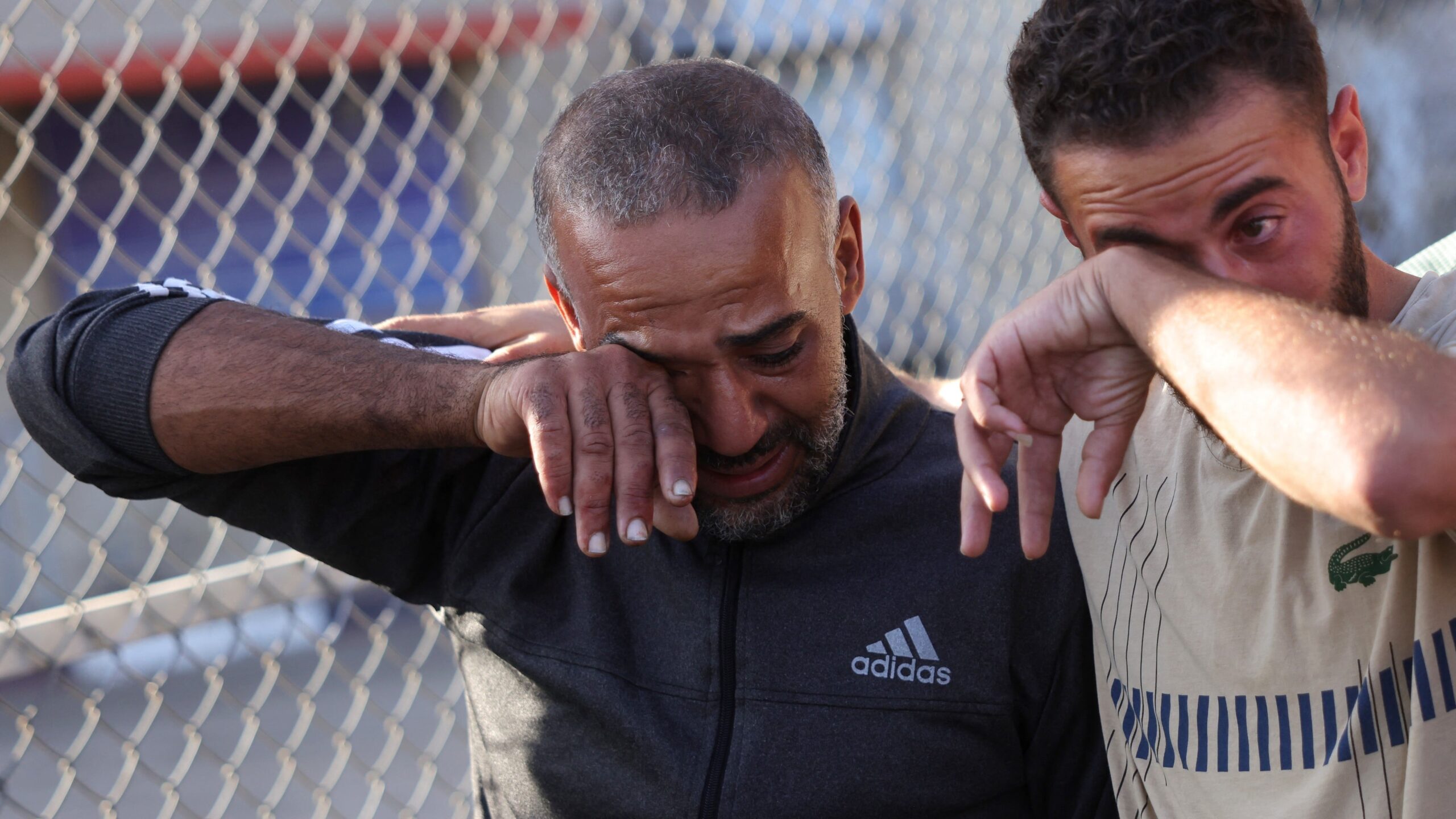
Since the ceasefire took effect on October 11, Israeli forces have been accused of over 80 violations, including artillery fire, airstrikes, and the arrest of civilians. Palestinian authorities report that these breaches have resulted in the deaths of at least 97 people and injuries to over 230 others. The deadliest incident occurred on Sunday, with more than 100 airstrikes targeting areas such as Rafah, Khan Younis, Jabalia, and central Gaza. Among the casualties were civilians, journalists, and displaced families seeking refuge.
Beyond the violence, Israel has also violated the ceasefire’s humanitarian provisions. Despite an ongoing prisoner exchange, Israeli forces have detained Palestinians in Gaza and the occupied West Bank. The Gaza media office reported that 14 individuals were arrested, with five released after enduring abuse. Additionally, Israel has restricted the entry of essential aid into Gaza, despite the agreement stipulating the daily delivery of 400 aid trucks, a figure far from being met.
The situation has drawn widespread condemnation, with rights groups accusing Israel of exacerbating the humanitarian crisis in Gaza. The Government Media Office in Gaza described the aid entering the territory as a ‘drop in the ocean,’ insufficient for the 2.4 million residents. As the violence escalates and the ceasefire teeters, the international community faces mounting pressure to intervene and restore peace in the region.