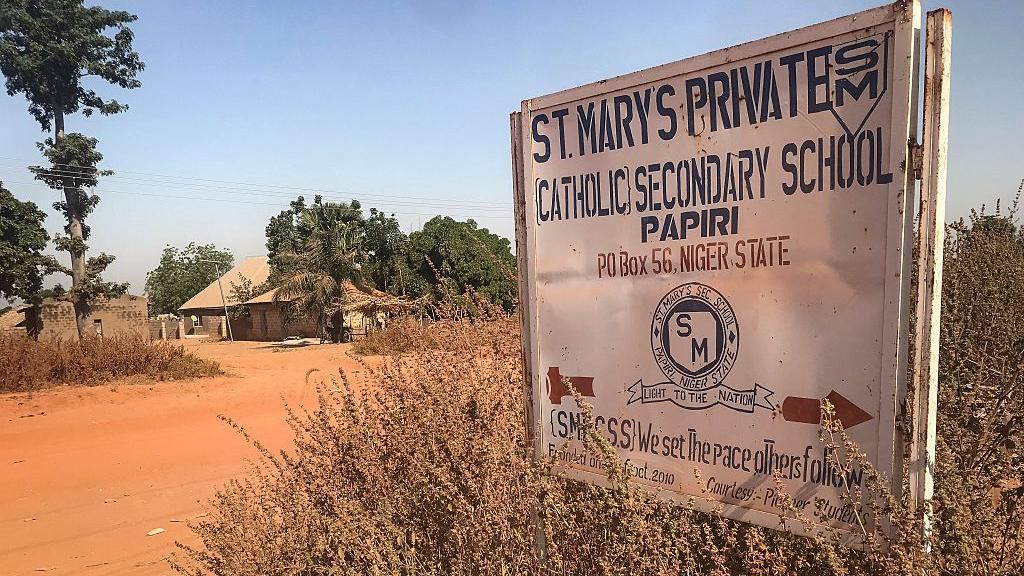
Educational institutions in Nigeria’s Niger State are preparing to resume operations starting January 12th, following their closure in November after one of the country’s most severe school abductions. The state’s education ministry has authorized the reopening of both public and private schools located in areas deemed “safe and secure” after conducting comprehensive security evaluations and consulting with law enforcement agencies.
The decision comes weeks after gunmen kidnapped more than 250 students and staff members from St. Mary’s Catholic School in Papiri, central Nigeria. In a positive development, officials confirmed that all missing individuals were successfully rescued just before Christmas, though details surrounding their release remain undisclosed. Nigerian law prohibits ransom payments, but compliance with this regulation is frequently questioned.
This incident reflects a disturbing pattern of violence targeting educational institutions and places of worship, particularly in Nigeria’s north-central region. Armed criminal factions, locally designated as “bandits” and recently classified as terrorist organizations by the government, have intensified their operations. Since the infamous 2014 Chibok abduction of 276 schoolgirls, over 1,500 children have been taken from Nigerian schools.
The education ministry will publish a list of approved reopening locations, while schools in “unsafe or insecure areas” will remain closed pending further security assessment. For those reopening, stringent measures include mandatory student registration within one week of resumption and enhanced security protocols around school premises.
However, the security situation remains precarious. Mere days after the reopening announcement, armed assailants attacked Kasuwan-Daji village in Niger State, resulting in at least 30 fatalities and multiple kidnappings. Witnesses described horrific scenes where attackers emerged from nearby forests, burned the local market, looted shops, and restrained residents before assaulting them with knives. Community members now live in terror, fearful of reprisal for speaking out about the violence.