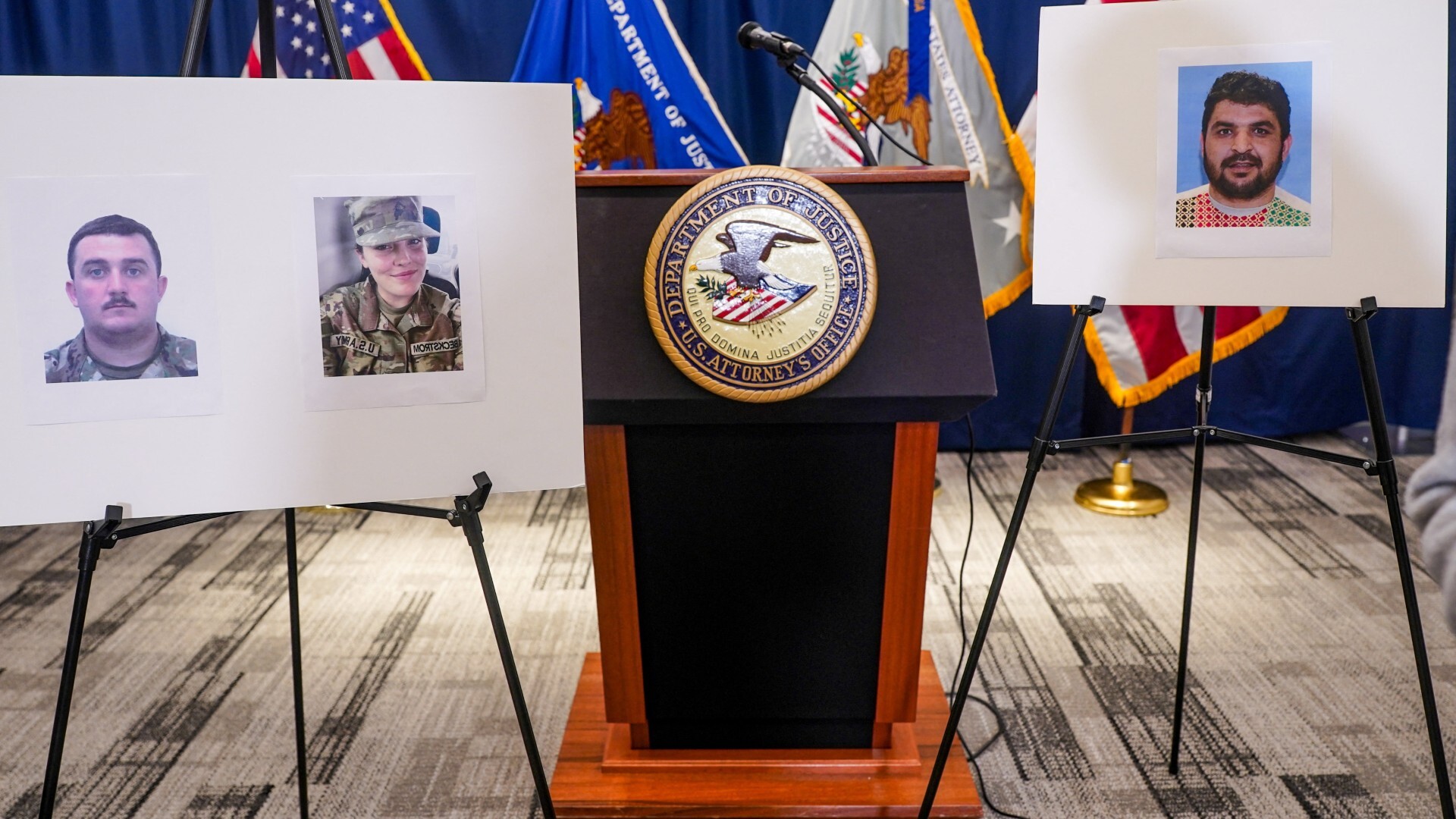
The case of Rahmanullah Lakanwal, an Afghan national currently detained for shooting two National Guard members, has revealed complex layers of U.S. military involvement and subsequent immigration challenges. Lakanwal served as a critical CIA asset in Afghanistan’s Zero Unit, specifically within the elite Kandahar Strike Force (Unit 03), undergoing thorough intelligence vetting during America’s twenty-year conflict.
Despite his approved asylum status through Operation Allies Welcome in April 2024, Lakanwal struggled significantly with resettlement challenges. Documentation indicates severe culture shock, isolation from family networks, and difficulties adapting from his previously well-compensated, high-ranking position to starting anew in the United States. In January 2024, resettlement agencies attempted behavioral health interventions which he reportedly declined.
The incident has triggered immediate political repercussions. President Donald Trump utilized the tragedy to reinforce stricter immigration policies, declaring from Mar-a-Lago that immigrants unwelcoming to American values would face exclusion. His administration has moved to reinterview thousands of Afghan refugees admitted under Biden’s presidency while eliminating key resettlement infrastructures including Operation Enduring Welcome and the Office of the Coordinator for Afghan Relocation Efforts.
These policy shifts have created substantial legal uncertainties for approximately 70,000 Afghans already in the U.S. and another 180,000 awaiting Special Immigrant Visas. The termination of Temporary Protected Status has left over 11,000 individuals in legal limbo, while USCIS backlogs intensify due to enhanced re-screening requirements encompassing social media scrutiny.
Advocacy groups and Democratic lawmakers condemn the administration’s response as political weaponization of tragedy. Senators Mark Kelly and Chris Van Hollen emphasize that blanket targeting of Afghan communities contradicts evidence-based security approaches, noting that recent vetting occurred under the current administration. Legal organizations like Project ANAR are mobilizing against what they term ‘collective punishment,’ warning of decreased community engagement and increased fear among immigrant populations.
The situation underscores broader questions about America’s responsibility toward wartime allies who risked their lives supporting democratic ideals. As former Afghan diplomat Omar Samad notes, the nation must reconcile its longest war’s legacy with its humanitarian obligations to those who partnered with U.S. forces.