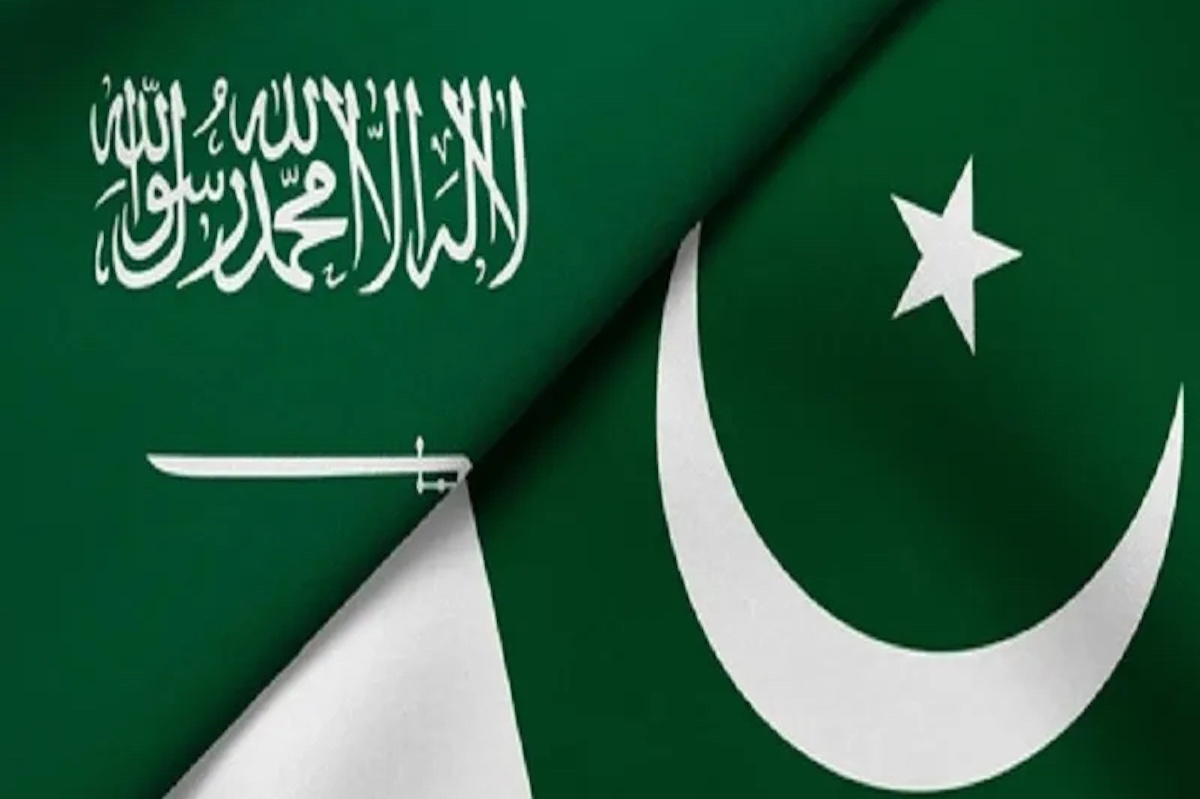
Saudi Arabia and Pakistan have inked a Strategic Mutual Defense Agreement (SMDA), a pact designed to bolster defense collaboration and enhance joint deterrence against potential aggressions. The agreement stipulates that an attack on either nation will be regarded as an attack on both, echoing the strategic ambiguity of NATO’s Article 5. However, it stops short of mandating military intervention, leaving the specifics of support open to interpretation. The move comes as Saudi Arabia, a key U.S. ally, reportedly seeks to counterbalance Israel’s actions in the region, particularly in light of recent conflicts in Gaza. By aligning with nuclear-armed Pakistan, Saudi Arabia aims to strengthen its defensive posture, while Pakistan may gain Saudi support in its longstanding tensions with India. Despite the pact’s symbolic significance, analysts argue that its practical impact may be limited. Pakistan has historically avoided direct confrontation with Israel, even in its conflicts with India, and Saudi Arabia maintains strong economic ties with India, its major oil importer. The agreement is seen more as a gesture of solidarity within the Muslim world rather than a transformative military alliance. The most plausible scenario for mutual military support would involve the Houthi rebels in Yemen, should they escalate hostilities against Saudi Arabia. While the SMDA has sparked debate, its real-world implications remain uncertain, with many viewing it as a strategic maneuver rather than a game-changing alliance.