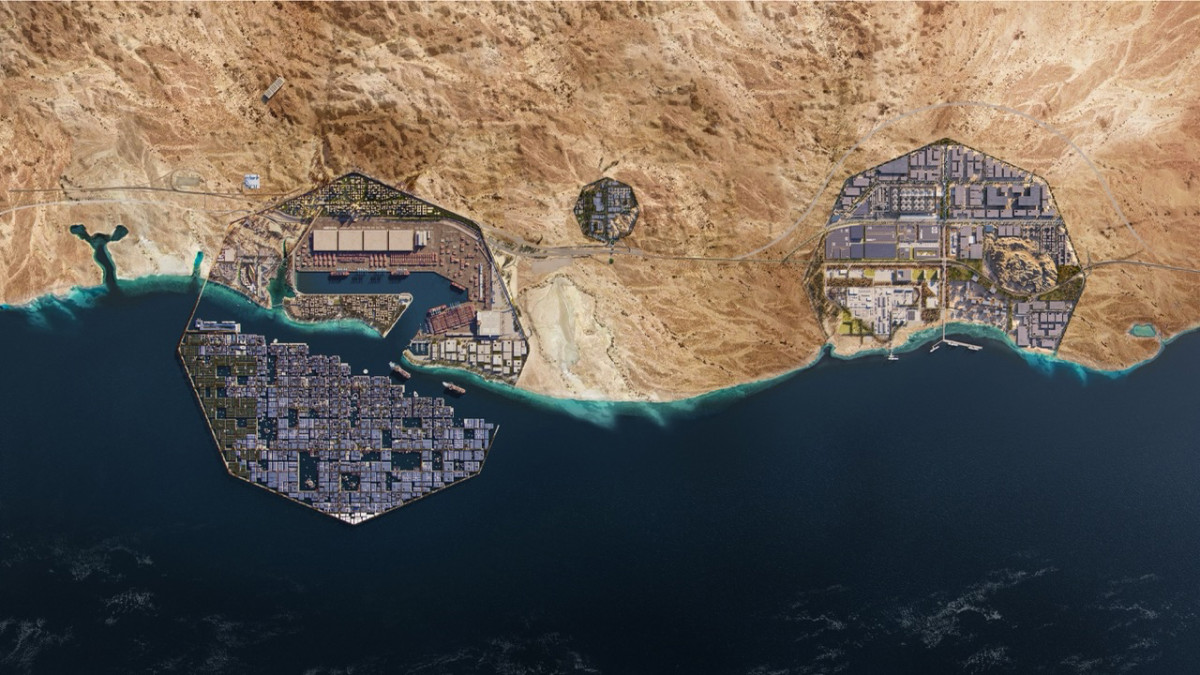
Saudi Arabia is positioning itself as a global hub for artificial intelligence (AI) by leveraging its abundant and inexpensive energy resources. Amid rising energy costs in the US, partly driven by data center demands, the Kingdom is enticing global investors with the promise of low-cost electricity to power AI infrastructure. Greg Priddy, an energy expert at the Center for the National Interest, emphasized that Saudi Arabia’s primary competitive edge in AI lies in its cheap electricity, largely derived from fossil fuels. While other metrics may favor alternative locations, the Kingdom’s ultra-affordable energy costs give it a unique advantage in the race to become an AI powerhouse. This ambition was prominently showcased at the Future Investment Initiative (FII) conference in Riyadh, where Saudi executives outlined plans to establish the country as the third-largest player in AI, alongside China and the US. Major projects, such as Datavolt’s $5 billion data center on the Red Sea coast and Humain’s expansive data center network, underscore the Kingdom’s commitment to AI development. However, experts caution that Saudi Arabia must significantly expand its electrical grid to meet the colossal energy demands of these facilities. The Kingdom’s reliance on fossil fuels, particularly natural gas and crude oil, provides a cost-effective solution for now, but investments in renewable energy and shale gas extraction are also underway. Saudi Aramco’s recent acquisition of a minority stake in Humain highlights the strategic link between energy and AI. With electricity prices 30-50% cheaper than the global average, Saudi Arabia offers a compelling proposition for data center operators. Crown Prince Mohammed bin Salman’s Vision 2030 initiative further supports this push, aiming to diversify the economy beyond oil exports. While challenges such as skilled labor shortages and geopolitical concerns over semiconductor exports persist, Saudi Arabia’s energy wealth and government-driven pricing policies position it as a formidable contender in the global AI landscape.