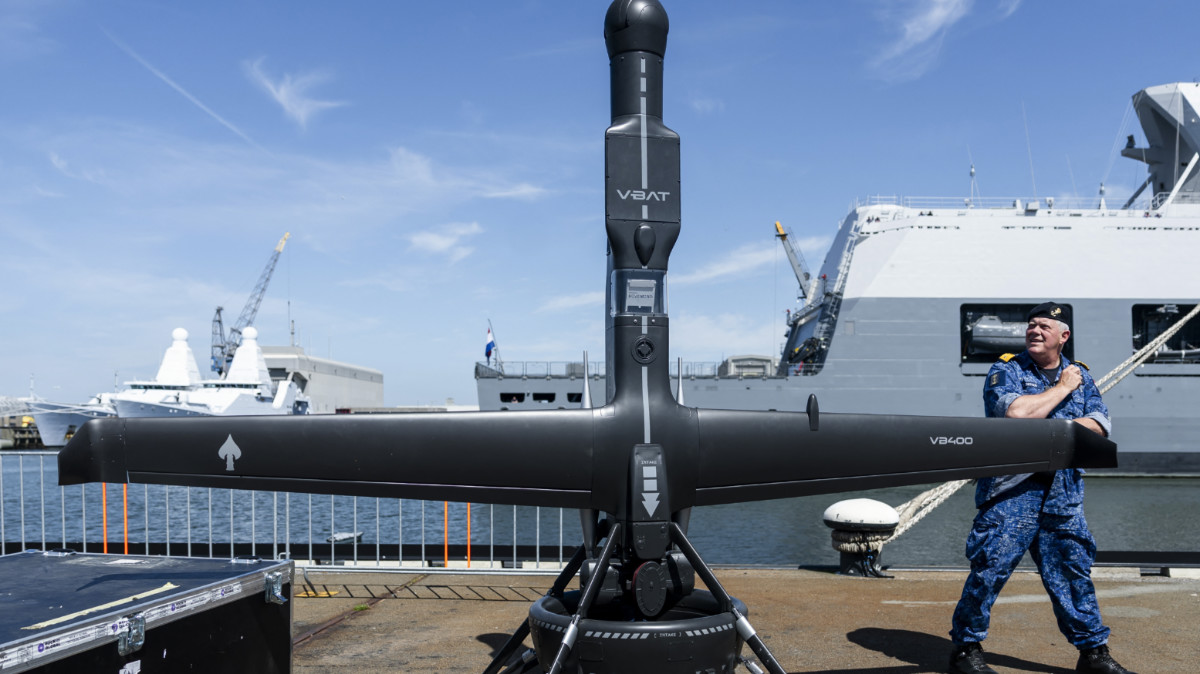
Saudi Arabia is currently engaged in advanced negotiations with American artificial intelligence defense contractor Shield AI for the potential procurement of advanced drone systems, according to sources briefed on the matter. The discussions emerge as the Trump administration actively promotes arms sales throughout the resource-abundant Gulf region.
The San Diego-based technology startup specializes in AI-powered autonomous systems, particularly its innovative ‘hivemind’ software that enables drone operations without GPS, human pilots, or external communications. The primary model under consideration, the V-Bat, is designed for extended intelligence, surveillance, and reconnaissance missions, capable of launching from naval vessels and maintaining flight for up to thirteen hours.
This potential acquisition aligns with Saudi Arabia’s intensified security focus across multiple regional hotspots, including Yemen and Sudan, and particularly in the strategically vital Red Sea and Arabian Sea corridors. Recent regional tensions were highlighted in December when Saudi forces targeted an Emirati weapons shipment at Yemen’s Mukalla port.
The kingdom has simultaneously pursued broader security partnerships, finalizing a military cooperation agreement with Somalia and exploring enhanced security ties with Eritrea, facilitated by Egyptian support.
While the V-Bat system has already demonstrated operational capability in Ukraine’s conflict zones, Shield AI’s more advanced X-Bat model represents a technological leap. This vertical take-off and landing capable fighter drone, unveiled in October 2025 but not yet operational, offers compact deployment advantages with three units occupying the space of a single traditional fighter aircraft.
The prospective deal, though modest compared to Saudi Arabia’s potential acquisition of F-35 warplanes, would constitute a significant achievement for the startup, whose investors include prominent entities like Palantir, Airbus, and venture capitalist Steven Cohen.
This development follows the substantial acceleration of US-Saudi military sales ties during Crown Prince Mohammed bin Salman’s November visit to the White House, which established a defense partnership framework to fast-track arms transfers. Recent briefings to US lawmakers have addressed concerns regarding how such sales might affect Israel’s qualitative military edge in the region.
The negotiations coincide with Saudi Arabia’s renewed emphasis on defense co-production and content localization, as articulated by Saudi defense analyst Hesham Alghannam, reflecting the kingdom’s strategic shift toward technological sovereignty in its military capabilities.