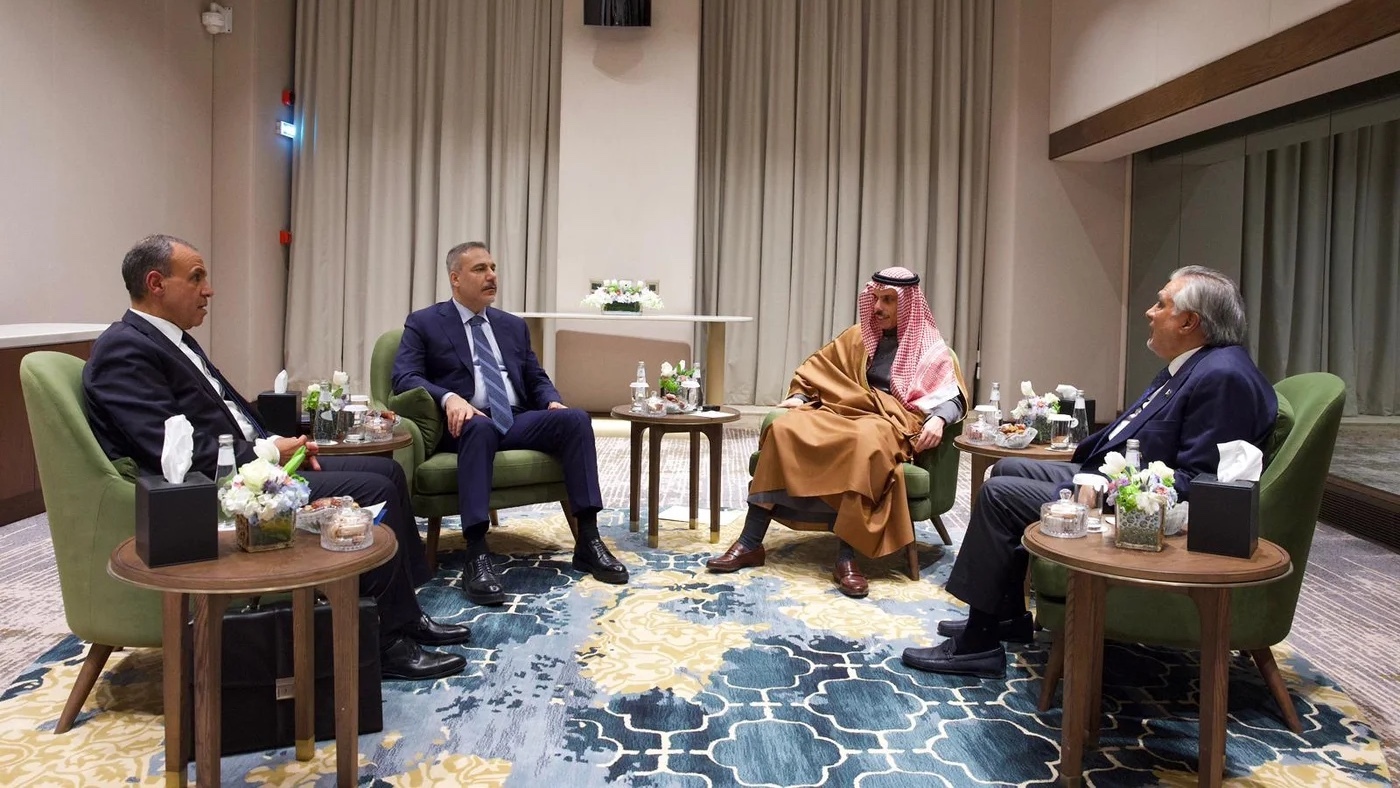
A significant diplomatic divergence has surfaced among key Muslim nations regarding the appropriate response to Iran’s military actions, with Turkey and Pakistan opposing stronger condemnation language sought by Saudi Arabia during a recent ministerial gathering in Riyadh. Multiple sources confirm that both nations resisted employing harsh rhetoric in the joint declaration until Iran’s missiles began flying over Saudi territory during the diplomatic meetings.
The tension emerged during a conclave of Arab and Muslim foreign ministers where Saudi officials pressed for vigorous censure of Iran’s missile and drone attacks against the kingdom. According to Western officials familiar with the proceedings, the final statement reflected a compromise between competing security interests rather than unified condemnation.
Turkish Foreign Minister Hakan Fidan reportedly expressed frustration to Iranian counterparts that Tehran should have suspended its attacks while diplomats were actively seeking conflict resolution. This diplomatic friction highlights how the US-Israeli campaign against Iran has created divergent responses among regional powers based on their distinct national security priorities.
Notably, the three nations—Saudi Arabia, Pakistan, and Turkey—had been negotiating a trilateral security arrangement before the current conflict escalated. Sources indicate that without Turkish and Pakistani participation, the Riyadh declaration would have contained significantly stronger language against Iran.
The eventually published statement did characterize Iran’s attacks as unjustifiable under any circumstances while reaffirming nations’ rights to self-defense. However, it notably omitted parallel calls for the US and Israel to cease their military operations against the Islamic Republic. The declaration included condemnation of Israel’s aggression against Lebanon only in its final paragraphs, reportedly due to Turkish insistence.
The conflict has exposed fundamental differences in regional priorities: Saudi Arabia fears Iranian control of the Strait of Hormuz and attacks on energy infrastructure, while Turkey—a NATO member—remains less concerned about the strategic waterway. Pakistan, sharing a border with Iran and hosting the world’s second-largest Shia population, has positioned itself as a potential mediator, with President Shehbaz Sharif offering to host comprehensive settlement talks.
Meanwhile, Saudi Arabia appears to be strengthening its decades-old security partnership with the United States despite previous reservations about Washington’s reliability as an ally. The kingdom has granted the US access to King Fahd Air Base and faces American pressure to join offensive operations against Iran.
The evolving situation demonstrates how regional alliances are being tested and reconfigured under the pressure of escalating conflict, with each nation calibrating its response according to distinct geopolitical calculations and security imperatives.