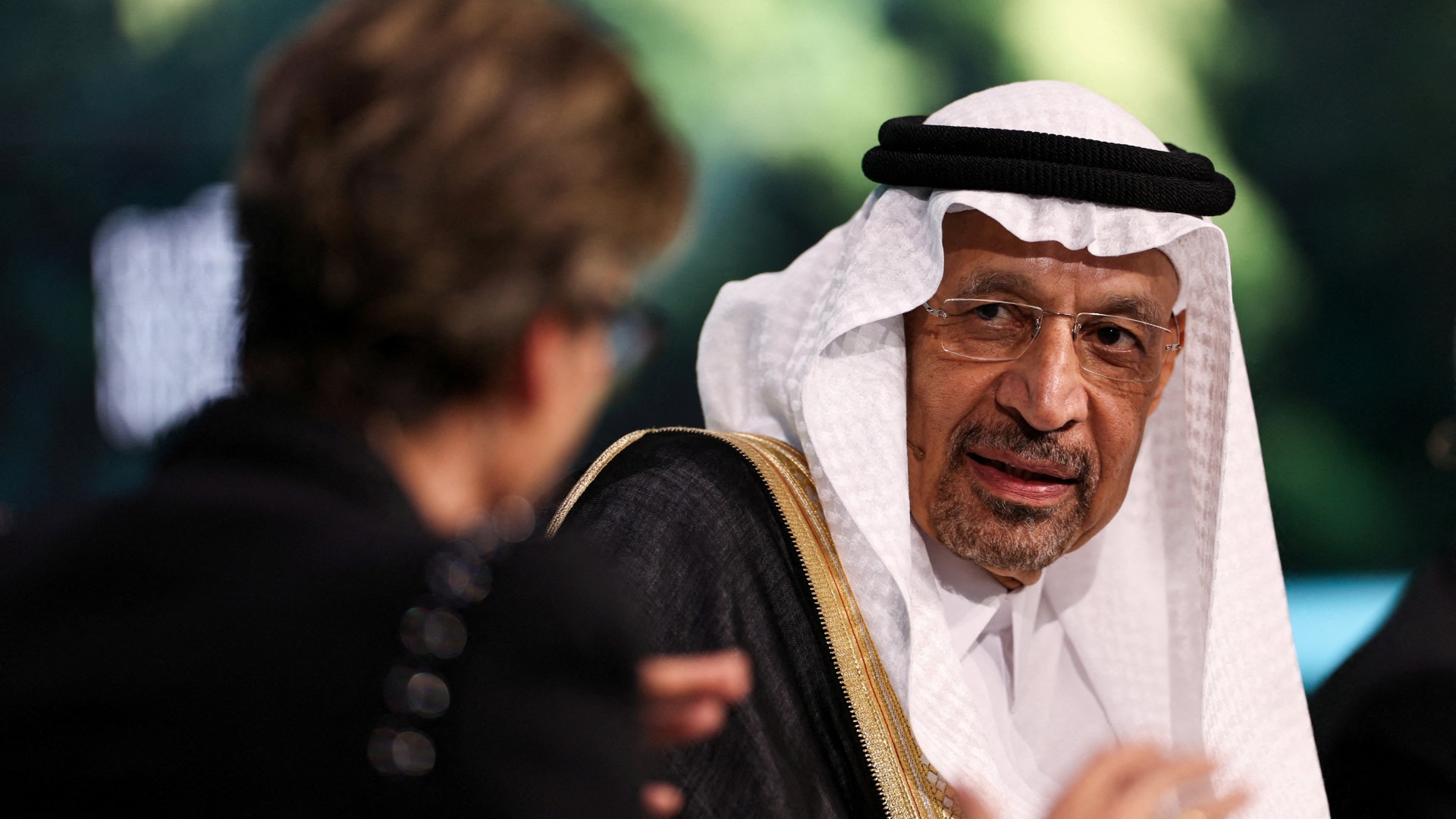
In a significant cabinet reshuffle, King Salman of Saudi Arabia has issued a royal decree dismissing Khalid bin Abdulaziz Al-Falih from his position as Investment Minister. The move comes as the Kingdom recalibrates its economic strategy amid fiscal pressures and slower-than-expected growth.
Al-Falih, a veteran energy executive with extensive government experience, has been replaced by Fahd bin Abduljalil bin Ali al-Saif, currently head of global capital finance at the sovereign Public Investment Fund (PIF). The new appointee previously led the fund’s investment strategy and economic insights division, bringing direct PIF experience to the role.
While relieved of his ministerial portfolio, Al-Falih will retain his position as a minister without portfolio and remain a member of the cabinet. His departure from the investment ministry marks a notable shift in leadership during a critical period for Saudi Arabia’s economic transformation.
The ministerial change coincides with preparations for a revised five-year plan under Crown Prince Mohammed bin Salman’s Vision 2030 initiative. This revision follows economic challenges including lower-than-anticipated revenues and a growth slowdown to 3.3 percent in 2025, down from 5.3 percent previously.
According to sources familiar with the matter, persistently low oil prices have constrained the Kingdom’s capacity to finance its most ambitious projects. This fiscal pressure has prompted authorities to reassess several megaprojects, with some being scaled back or postponed entirely.
Notable adjustments include the suspension of the Mukaab cube-shaped structure in Riyadh, downsizing of a proposed Neom ski resort, and scaling back of The Line—the 170-kilometer linear city concept. These modifications reflect a more pragmatic approach to the Vision 2030 implementation.
Finance Minister Mohammed al-Jadaan defended the strategic revisions, stating in December that the government would not hesitate to ‘adjust, accelerate, prioritize, defer or cancel’ projects as needed to maintain economic stability.
Despite these adjustments, several major initiatives continue to advance, including substantial investments in Syrian reconstruction projects and the expansive King Salman Gate development around Mecca’s Grand Mosque, which will feature new towers for prayer, accommodation, and hospitality services.