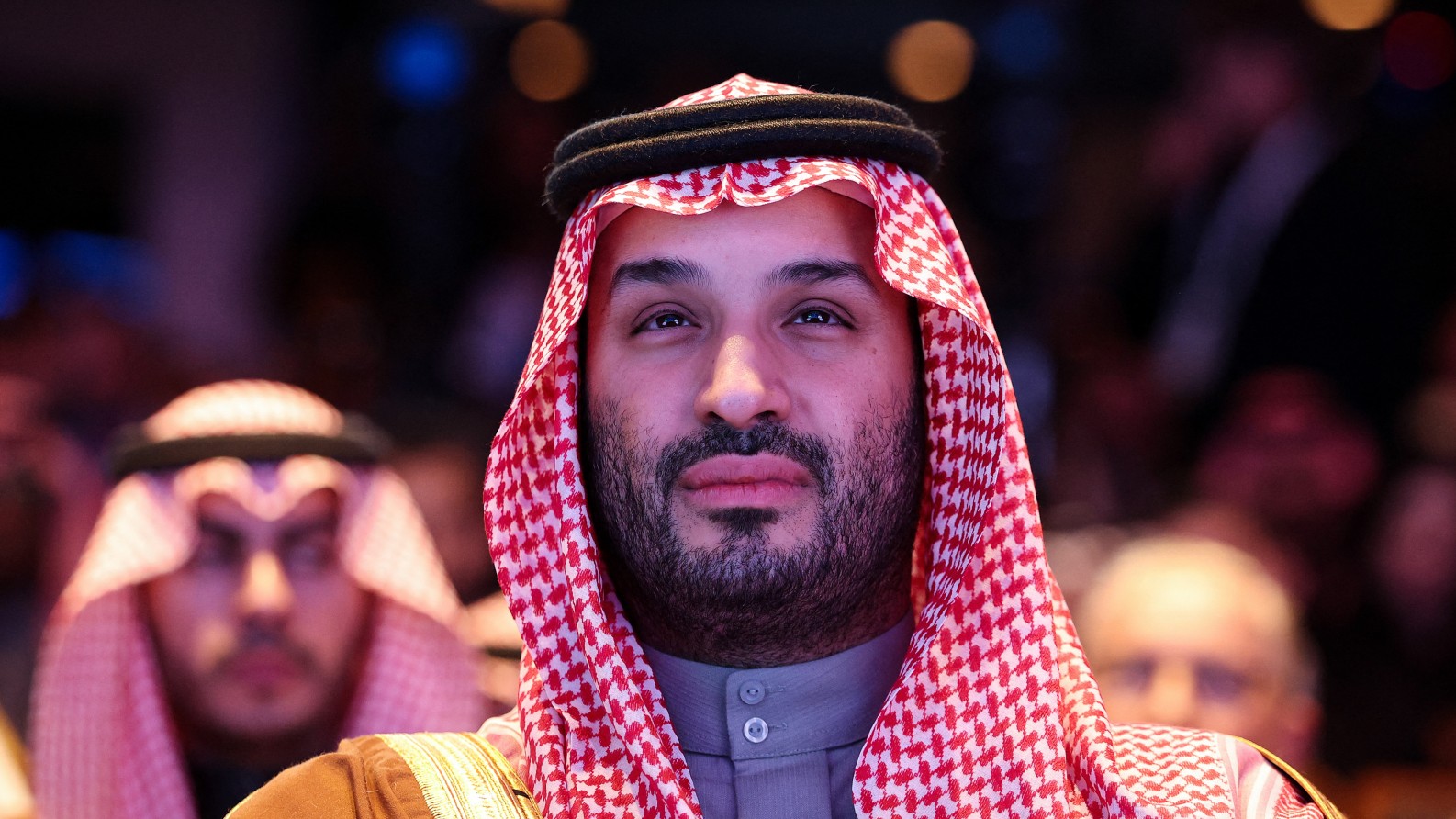
Saudi Arabia is undergoing a significant strategic recalibration of its ambitious Vision 2030 economic diversification plan. According to a Bloomberg report, the kingdom’s Public Investment Fund (PIF) has convened with the nation’s wealthiest families, urging them to increase domestic investments. This move coincides with the government’s decision to reassess, downscale, or outright cancel several high-profile ‘giga-projects’ initially central to Crown Prince Mohammed bin Salman’s transformative agenda.
Recent developments illustrate this strategic shift. Construction of the monumental Mukaab cube-shaped structure in Riyadh has been suspended. Concurrently, the planned Trojena ski resort within the NEOM development is being scaled back and will no longer host the 2029 Asian Winter Games. Furthermore, The Financial Times reports that the linear city component of NEOM, a 170-kilometer futuristic metropolis, is undergoing significant redesign and downsizing.
Analysts interpret these actions as ‘right-sizing’—a pragmatic move to focus on sectors where Saudi Arabia holds a distinct competitive advantage. The kingdom is aggressively investing in data centers and AI infrastructure, capitalizing on commercial electricity prices that are 30-50% cheaper than the global average due to its abundant fossil fuel reserves. Additional pillars of the revised strategy include bolstering the mining and tourism sectors, evidenced by recent legal changes allowing foreigners to purchase property.
The non-oil economy now constitutes over 55% of real GDP and is outperforming overall growth. The International Monetary Fund has subsequently raised its 2026 GDP growth forecast for Saudi Arabia to 4.5%. However, the kingdom faces considerable headwinds. A primary challenge has been the lack of substantial foreign investment for grandiose projects like NEOM, leaving the $1 trillion PIF to shoulder most of the financial burden.
With oil revenue still accounting for approximately 61% of the national budget and prices hovering around $60 per barrel—well below the $100 needed to balance the budget—Saudi Arabia has turned to international debt markets. In 2024, it became the most active issuer of international debt in emerging markets, selling over $20 billion in bonds in January alone.
This new appeal to private domestic wealth suggests an effort to bridge an emerging liquidity gap. State-owned banks, under pressure to lend to private businesses and homebuyers while facing higher capital requirements, have themselves sought debt financing. The investment offices of ultra-wealthy families, which control billions, are now being viewed as a potential source of capital to fill this void. This outreach evokes memories of the Crown Prince’s 2017 Ritz-Carlton crackdown, where numerous tycoons and royals were detained and pressured to transfer assets to the state in an anti-corruption purge reportedly marred by mistreatment.