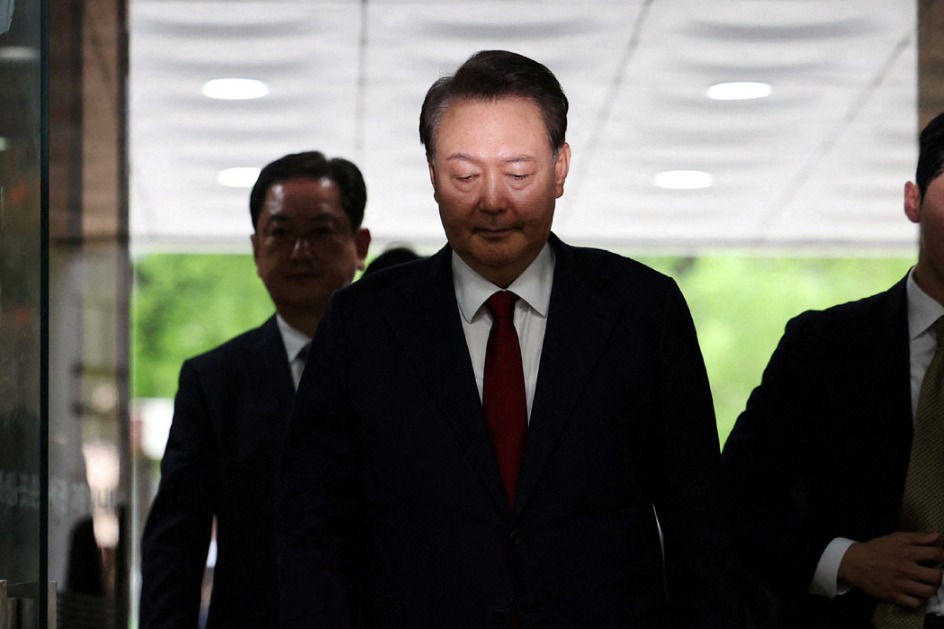
In a landmark judicial ruling that has captured national attention, former South Korean President Yoon Suk-yeol was convicted and sentenced to five years imprisonment on charges of obstructing the execution of an arrest warrant. The verdict, delivered on Friday, represents the initial judicial outcome in a series of legal proceedings stemming from allegations related to his purported involvement in martial law preparations during his presidency.
The Seoul Central District Court presided over the high-profile case, which centered on accusations that Yoon deliberately impeded law enforcement officials attempting to serve an arrest warrant connected to the broader investigation into his administration’s activities. The court determined that the evidence substantiated the prosecution’s claims of deliberate obstruction of justice.
This conviction marks a significant development in South Korea’s political landscape, where former presidents have frequently faced legal scrutiny after leaving office. The case has reignited discussions about presidential accountability and the delicate balance between executive power and judicial oversight in one of Asia’s most vibrant democracies.
The sentencing follows months of judicial proceedings that examined detailed evidence regarding the former president’s conduct during the final months of his administration. Legal experts note that this verdict could establish important precedents for future cases involving allegations of executive overreach and obstruction of justice.
Yoon’s defense team had vigorously contested the charges, maintaining that their client’s actions constituted legitimate political maneuvers rather than criminal obstruction. The court, however, found these arguments unpersuasive in light of the documented evidence presented during the trial.
The case has drawn extensive media coverage both domestically and internationally, reflecting ongoing global interest in South Korea’s political evolution and its continued efforts to address historical patterns of corruption and power abuse among its highest-ranking officials.