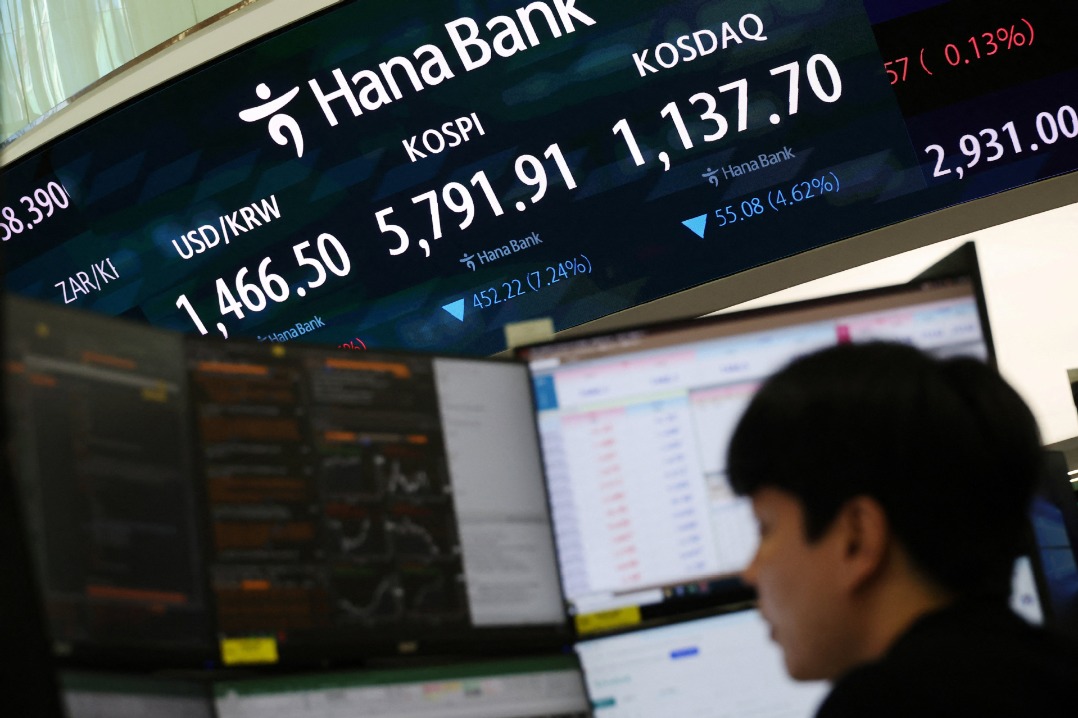
South Korea’s financial markets experienced a severe downturn at Monday’s opening bell as escalating Middle East conflicts and surging global oil prices triggered widespread investor panic. The benchmark Korea Composite Stock Price Index (KOSPI) plummeted dramatically, shedding 319.5 points to reach 5,265.37—representing a staggering 5.72 percent decline within minutes of trading commencement.
The market collapse stems primarily from energy security concerns after West Texas Intermediate crude, the US benchmark, breached the $100 per barrel threshold on Sunday. This marks the first time oil prices have reached this critical level since July 2022, creating ripple effects across global financial markets. Investor confidence has been severely undermined by the combination of geopolitical instability and commodity price volatility, forcing a massive sell-off across multiple sectors.
Financial analysts attribute this sharp correction to the compound effect of prolonged Middle Eastern tensions finally manifesting in energy markets. The price surge indicates growing market anticipation of potential supply disruptions should regional conflicts intensify further. South Korea, as a major energy-importing nation, faces particular vulnerability to these price movements, which directly impact production costs and corporate profitability.
The market’s reaction demonstrates how geopolitical events in one region can trigger immediate financial consequences across global markets. Trading volumes surged dramatically during the opening session as institutional investors moved to limit exposure to energy-sensitive stocks while retail investors joined the selling frenzy. Market regulators are monitoring the situation closely for any signs of abnormal trading patterns or liquidity issues that might require intervention.