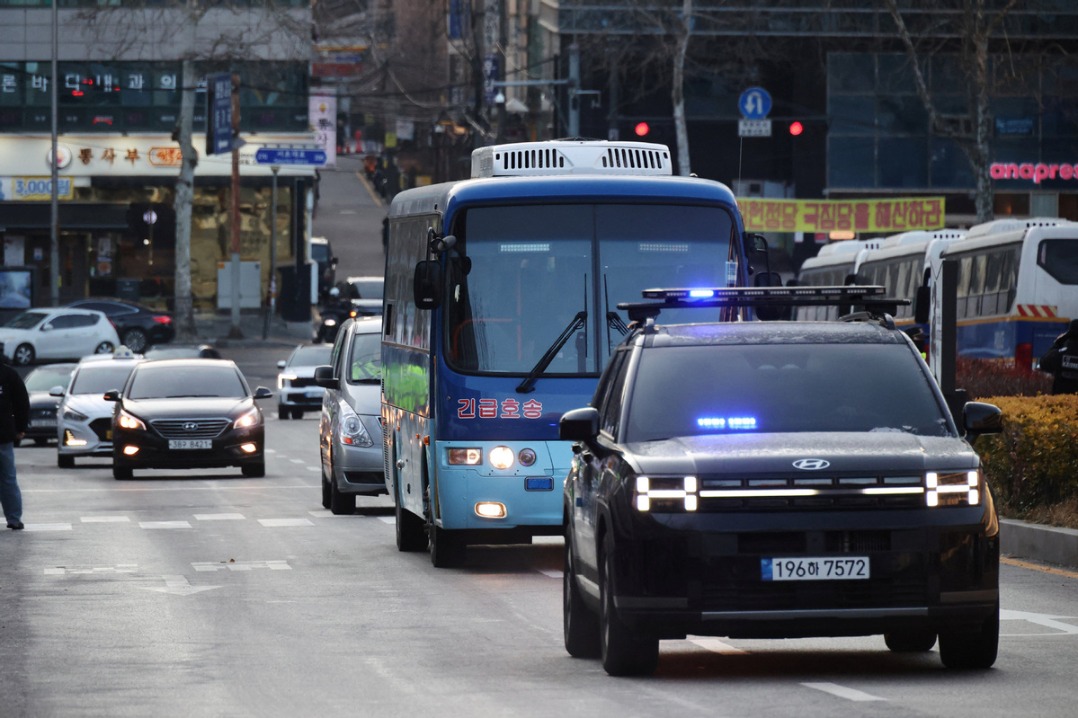
In an unprecedented legal development that has captivated South Korea, special prosecutors have formally requested the death penalty for former President Yoon Suk-yeol on charges of insurrection. The dramatic courtroom proceedings reached their climax on January 13, 2026, as Yoon arrived at a Seoul courthouse for final arguments in what has become one of the most significant political trials in the nation’s modern history.
The case, prosecuted by an independent counsel team, represents the first time in South Korea’s democratic era that a former head of state faces capital punishment allegations for insurrection-related offenses. The prosecution’s final arguments characterized Yoon’s alleged actions as a grave threat to constitutional order and national security.
Yoon, who arrived by bus under heavy security, maintained his plea of not guilty throughout the proceedings. His defense team has consistently denounced the charges as politically motivated, arguing that the prosecution’s demand for extreme punishment represents a dangerous politicization of the judicial system.
The trial has unfolded against a backdrop of intense public scrutiny and deep political divisions within South Korean society. Legal experts note that while South Korea retains the death penalty in statute, the country has maintained an unofficial moratorium on executions since 1997, making the prosecution’s demand particularly striking.
International observers have been closely monitoring the case, which could establish significant precedents for how democratic nations address allegations of insurrection against former leaders. The verdict, expected in the coming weeks, will undoubtedly shape South Korea’s political landscape for years to come and may influence global norms regarding accountability for former heads of state.