A comprehensive BBC analysis reveals that Russian military fatalities in Ukraine have accelerated at an unprecedented rate during the past ten months, marking the most severe period of losses since the full-scale invasion commenced in 2022. This surge occurred paradoxically alongside intensified peace negotiations pressured by the Trump administration throughout 2025.
The BBC’s meticulous verification process, conducted in collaboration with Mediazona and volunteer networks, has documented approximately 160,000 confirmed Russian combatant deaths. Military experts estimate the actual death toll likely ranges between 243,000 and 352,000, suggesting current confirmed figures represent only 45-65% of total losses.
Obituary publication patterns reveal critical insights into combat intensity fluctuations. January 2025 began with relatively low numbers, followed by a February spike coinciding with direct Trump-Putin negotiations. August witnessed another peak during the Alaska summit that ended Putin’s diplomatic isolation. The most dramatic surge occurred in October and November, with 322 daily obituaries—double 2024’s average—as diplomatic efforts stalled and the US presented a 28-point peace proposal.
Kremlin strategy appears to link territorial gains to negotiation leverage, with Putin aide Yuri Ushakov emphasizing that “recent successes” positively influenced talks.
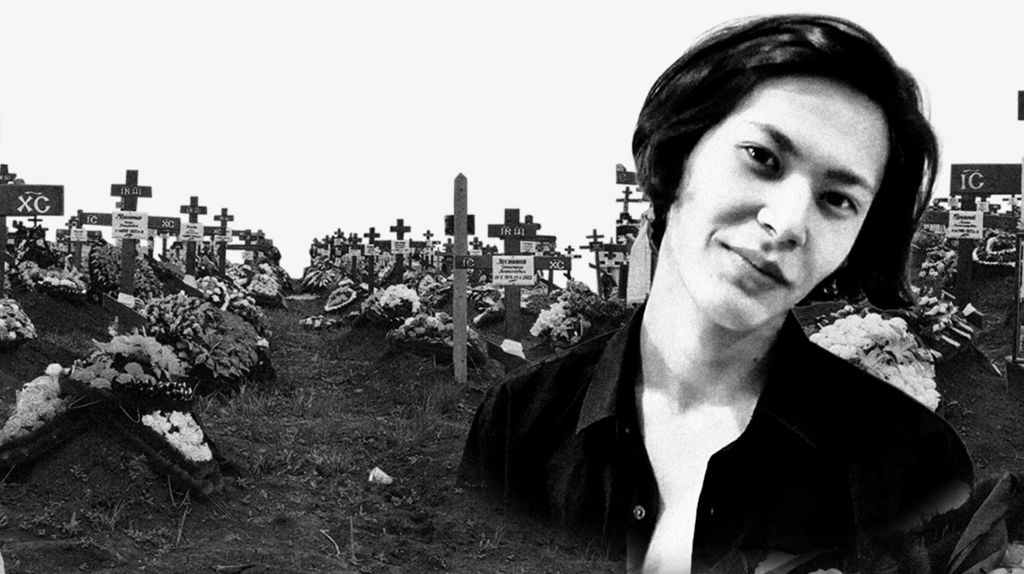
The human dimension emerges through the tragedy of Murat Mukashev, an activist who consistently opposed Putin’s regime. Despite participating in anti-war protests, police violence demonstrations, and LGBT rights rallies, Mukashev faced drug trafficking charges in early 2024. Offered military service as an alternative to prosecution under a 2024 law that provides legal immunity for recruits, he initially refused and received a ten-year sentence.
Imprisoned by November 2024, Mukashev reversed his decision based on Trump’s promises of rapid conflict resolution, hoping to secure freedom before peace materialized. His support group stated he viewed enlistment “as a chance to be released instead of being imprisoned for 10 years of strict regime.” He died on June 11, 2025, during combat in Kharkiv region.
BBC data indicates most 2025 casualties had no military connection when the war began. Since the October 2023 Avdiivka battle, casualties among post-invasion “volunteers” have steadily increased. These contract soldiers now comprise one-third of Russian fatalities, compared to 15% a year earlier.
Recruitment mechanisms involve substantial financial incentives—up to 10 million rubles annually—targeting debt-burdened individuals and university students. Deputy National Security Council head Dmitry Medvedev reported 336,000 enlistments by October 2025, exceeding 30,000 monthly. NATO estimates monthly Russian deaths at 25,000, indicating recruitment outpaces losses.
Notably, all military contracts signed since September 2022 automatically renew until conflict termination, contrary to recruit expectations of one-year service.
Total Russian casualties (killed and wounded) reportedly reach 1.1 million according to NATO, with approximately 250,000 fatalities. Ukrainian losses remain substantial, with President Zelensky acknowledging 46,000 battlefield deaths and 380,000 wounded in February 2025, though cross-referenced data suggests actual Ukrainian fatalities may approach 140,000.