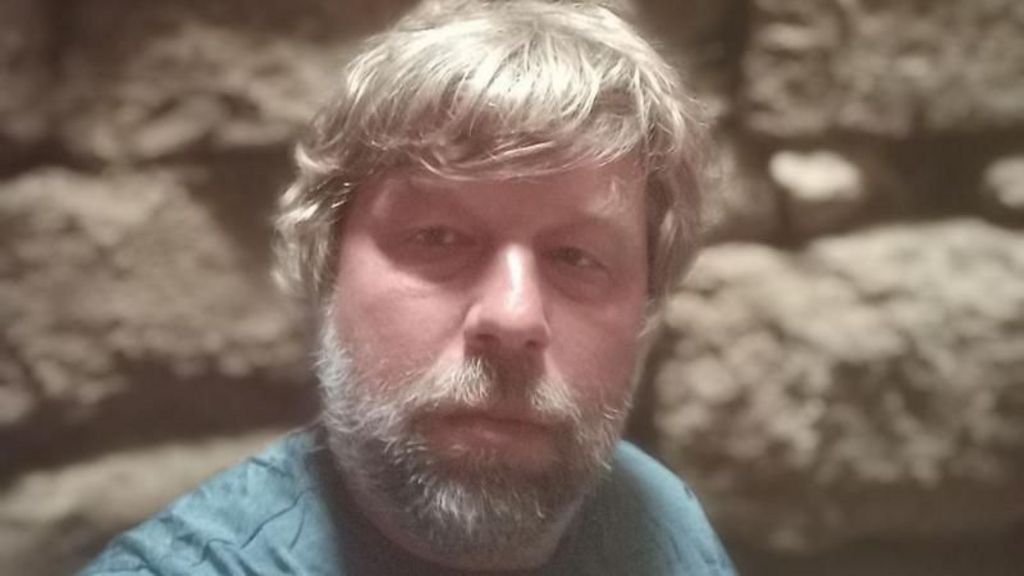
A Warsaw court has ruled in favor of extraditing Russian archaeologist Alexander Butyagin to Ukraine, marking a significant development in international cultural heritage protection efforts. Butyagin, a senior scholar at St. Petersburg’s Hermitage Museum, faces allegations of conducting illegal excavations and plundering artifacts from the ancient Greek settlement of Myrmekion in Crimea.
The case represents a complex intersection of archaeology, international law, and geopolitical tensions. Butyagin had led the Hermitage’s excavations at Myrmekion since 1999, initially with Ukrainian authorization. However, following Russia’s 2014 annexation of Crimea, his work continued without Kyiv’s consent, continuing even after Russia’s full-scale invasion in 2022.
Ukrainian authorities accuse Butyagin of causing an estimated $4.5 million in damages through the alleged plundering of artifacts, including 30 gold coins. If convicted, he could face up to five years imprisonment. The archaeologist was arrested in Warsaw on December 4 at Ukraine’s request, despite knowing that a Kyiv court had issued an arrest warrant for him in April 2025.
Judge Dariusz Łubowski’s ruling now awaits final approval from Poland’s justice minister. Butyagin’s defense team has announced plans to appeal, arguing that extradition would endanger his life and wellbeing, potentially violating the European Convention on Human Rights. This case emerges amid a pattern of European courts frequently refusing Russian extraditions to Ukraine since the 2022 invasion.
The legal foundation for Ukraine’s case rests on the 2nd Protocol to The Hague Convention for the protection of cultural property during armed conflict. While Ukraine and most European nations are signatories, Russia is not, creating a legal gray area that Butyagin’s defense may exploit.
Butyagin maintains his innocence through his lawyer Adam Domański, acknowledging he worked without Ukrainian authorization but rejecting charges of intentional destruction. He claims his excavations were necessary to protect the site from natural deterioration, vandals, and looters.
Conversely, Ukrainian archaeologist Evelina Kravchenko contends that Russian archaeological work in occupied Crimea inherently damages cultural heritage, regardless of individual intentions. Ukraine’s SBU security service has gathered evidence alleging systematic looting of cultural heritage in temporarily occupied Crimea.
Currently detained in Warsaw with bail denied, Butyagin faces an uncertain future. When questioned about returning to Crimea if his appeal succeeds, the archaeologist expressed desire to reunite with family and reconsider his life’s direction, avoiding direct commitment to further excavations.