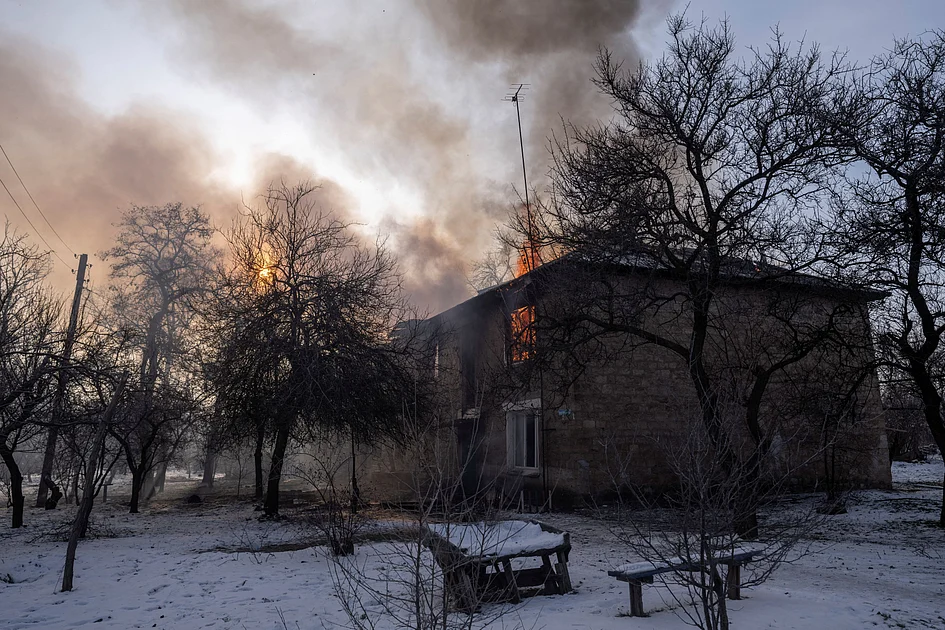
In a devastating escalation of its winter energy infrastructure campaign, Russian forces launched a massive overnight assault targeting Ukraine’s power grid, leaving approximately 1.2 million properties without electricity during dangerously frigid conditions. The coordinated attack, which extended into Saturday morning, represents Moscow’s most intensive bombardment of energy facilities this winter, continuing a strategy initiated in November 2022.
Kyiv experienced particularly severe impacts, with over 800,000 households plunged into darkness while nighttime temperatures hovered around -10°C (14°F). Deputy Prime Minister Oleksiy Kuleba reported that more than 3,200 buildings in the capital remained without heating by late evening, though this marked an improvement from the 6,000 affected structures earlier in the day. The northeastern suburb of Troyeshchyna emerged as the worst-hit district, with 600 buildings simultaneously deprived of power, water, and heating services.
The human toll mounted as Kyiv Mayor Vitali Klitschko confirmed one fatality and four injuries in the capital, three requiring hospitalization. Kharkiv, situated merely 30 kilometers from the Russian border, suffered significant damage with over 30 casualties including a child. Mayor Ihor Terekhov detailed that 25 drones struck multiple districts, damaging a dormitory for displaced persons and two medical facilities, one being a maternity hospital.
Emergency response efforts intensified nationwide, with more than 160 specialized crews working to restore critical services in Kyiv alone. Authorities established heated shelters operating around-the-clock and distributed hot food and medicine to vulnerable residents. The city had recently modified its wartime curfew to permit movement to these warming centers during nighttime hours.
This assault occurred despite ongoing trilateral negotiations brokered by the United States in the United Arab Emirates, which adjourned without visible progress but are scheduled to resume next weekend. Energy Minister Denys Shmyhal acknowledged the tremendous challenges in stabilizing power supply, stating that constant enemy attacks prevent normalization of the energy situation.
Military analysts noted the deployment of sophisticated weaponry, including two rarely-used Tsirkon ballistic missiles among 375 drones and 21 missiles launched overall. The attack pattern demonstrates Russia’s strategic focus on crippling Ukraine’s energy infrastructure during the harshest winter months, creating maximum humanitarian distress while diplomatic efforts continue.