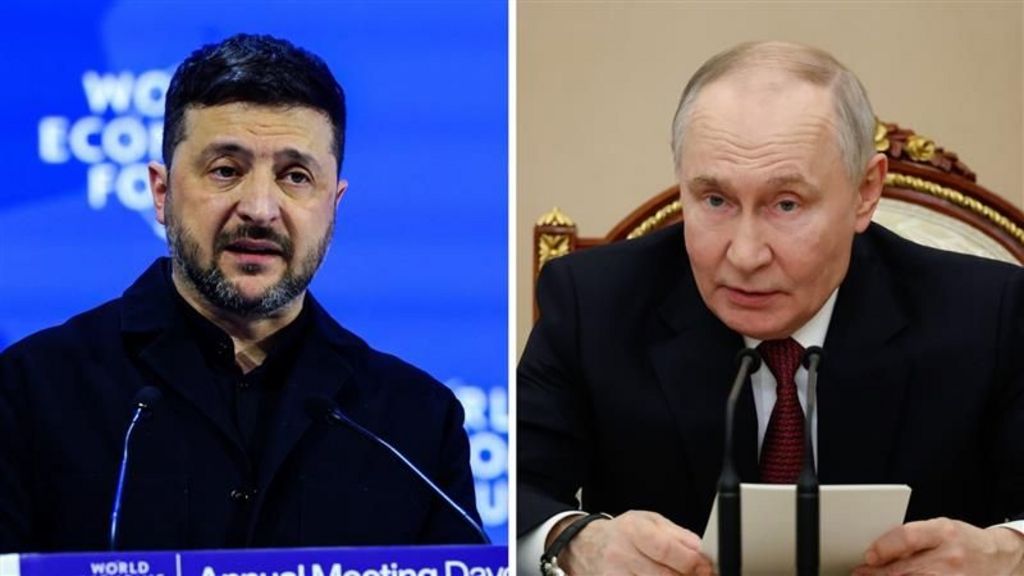
In a significant diplomatic development, Russian, Ukrainian, and United States negotiators are scheduled to hold trilateral talks in the United Arab Emirates on Friday. This meeting marks the first formal engagement attended by all three nations since Russia initiated its full-scale invasion of Ukraine nearly four years ago.
The Kremlin confirmed Russian participation following preliminary discussions between President Vladimir Putin and US envoys in Moscow. Kremlin aide Yuri Ushakov characterized these initial talks as “substantive, constructive and very frank,” while reiterating Moscow’s position that territorial resolution remains prerequisite to any lasting peace agreement. “Until this is achieved,” Ushakov stated, “Russia will continue to consistently pursue the objectives of the special military operation.”
The Russian delegation to the Abu Dhabi talks will be led by General Igor Kostyukov, director of Russia’s GRU military intelligence agency, with investment envoy Kirill Dmitriev conducting separate economic discussions with US representatives.
Ukrainian President Volodymyr Zelensky, speaking at the World Economic Forum in Davos, emphasized that territorial control remains the central obstacle to peace. “It’s all about the land. This is the issue which is not solved yet,” Zelensky told reporters, adding that “the Russians have to be ready for compromises, not only Ukraine.” Specific disputes include Russia’s demand for Ukraine to relinquish the remaining 25% of Donetsk region still under Kyiv’s control.
Zelensky has assembled a high-level negotiating team including National Security and Defense Council head Rustem Umerov, presidential office chief Kyrylo Budanov, and lead negotiator David Arakhamia, who will be joined in the UAE by Chief of the General Staff Andrii Hnatov.
The Ukrainian president revealed that a US-proposed 20-point peace plan is approximately 90% complete, featuring provisions for a demilitarized free economic zone in Donbas in exchange for security guarantees for Kyiv. Zelensky confirmed reaching preliminary agreement with former President Donald Trump regarding future US security guarantees, though any final agreement would require ratification by both the US Congress and Ukrainian parliament.
Despite these diplomatic efforts, the conflict continues to impact civilian infrastructure, with Zelensky initially considering canceling his Davos trip to address aftermath of Russian strikes on Kyiv’s power systems that have left portions of the capital without heating, water, or electricity during extreme winter conditions.