LONDON — Estonia’s foreign intelligence chief has revealed that Russian officials show no genuine intention to terminate the nearly four-year conflict in Ukraine, instead engaging in tactical maneuvers to outmaneuver American diplomats during peace negotiations. Kaupo Rosin, director of Estonia’s Foreign Intelligence Service, disclosed these findings during a digital press briefing preceding the release of Estonia’s annual security assessment.
According to intelligence gathered from internal Russian communications, Moscow is deliberately protracting discussions with Washington while avoiding substantive cooperation. Despite public declarations supporting diplomatic resolutions, Russian authorities demonstrate minimal flexibility and maintain uncompromising positions regarding their core demands.
While the Estonian security report indicates Russia is unlikely to initiate hostilities against NATO territories within the current or following calendar year, it emphasizes Moscow’s continued dangerous military expansion efforts. Russian President Vladimir Putin reportedly maintains unwavering confidence in achieving military victory in Ukraine, contrary to assessments from Western intelligence agencies.
The White House responded by highlighting significant advancements in negotiation efforts, particularly referencing a trilateral agreement facilitated in Abu Dhabi that secured the release of over 300 detainees. However, anonymous administration officials acknowledged the challenging nature of sustained diplomatic progress.
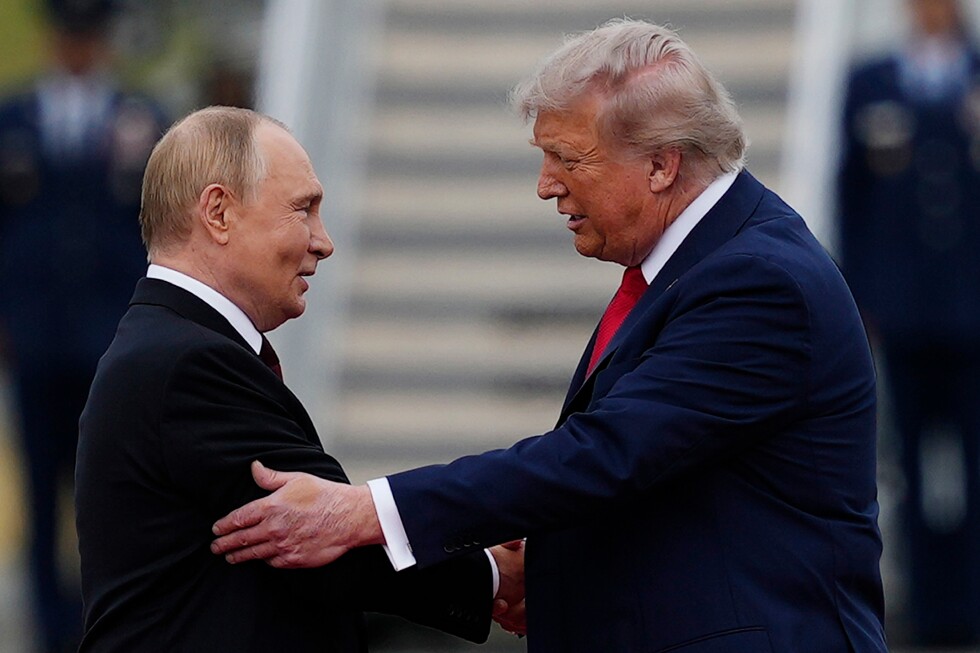
Notably, the United States has established a June deadline for conflict resolution, though previous timelines have expired without tangible outcomes. Fiona Hill, former Russia advisor to the Trump administration, suggests both American and Russian leaders remain invested in their respective narratives—Putin as victorious conqueror and Trump as master negotiator.
Intelligence analysts express puzzlement regarding Washington’s apparent belief in Putin’s peaceful intentions, noting the Russian leader’s fundamental objective of controlling Ukrainian territory outweighs economic considerations. Rosin suggests only catastrophic developments affecting Putin’s power stability or battlefield conditions could alter Moscow’s strategic calculus.
Concerns emerge regarding potential misinformation within both governments, with subordinates possibly providing overly optimistic reports to satisfy leadership preferences. This intelligence disparity may contribute to flawed assessments of actual ground conditions and strategic possibilities in the ongoing conflict.