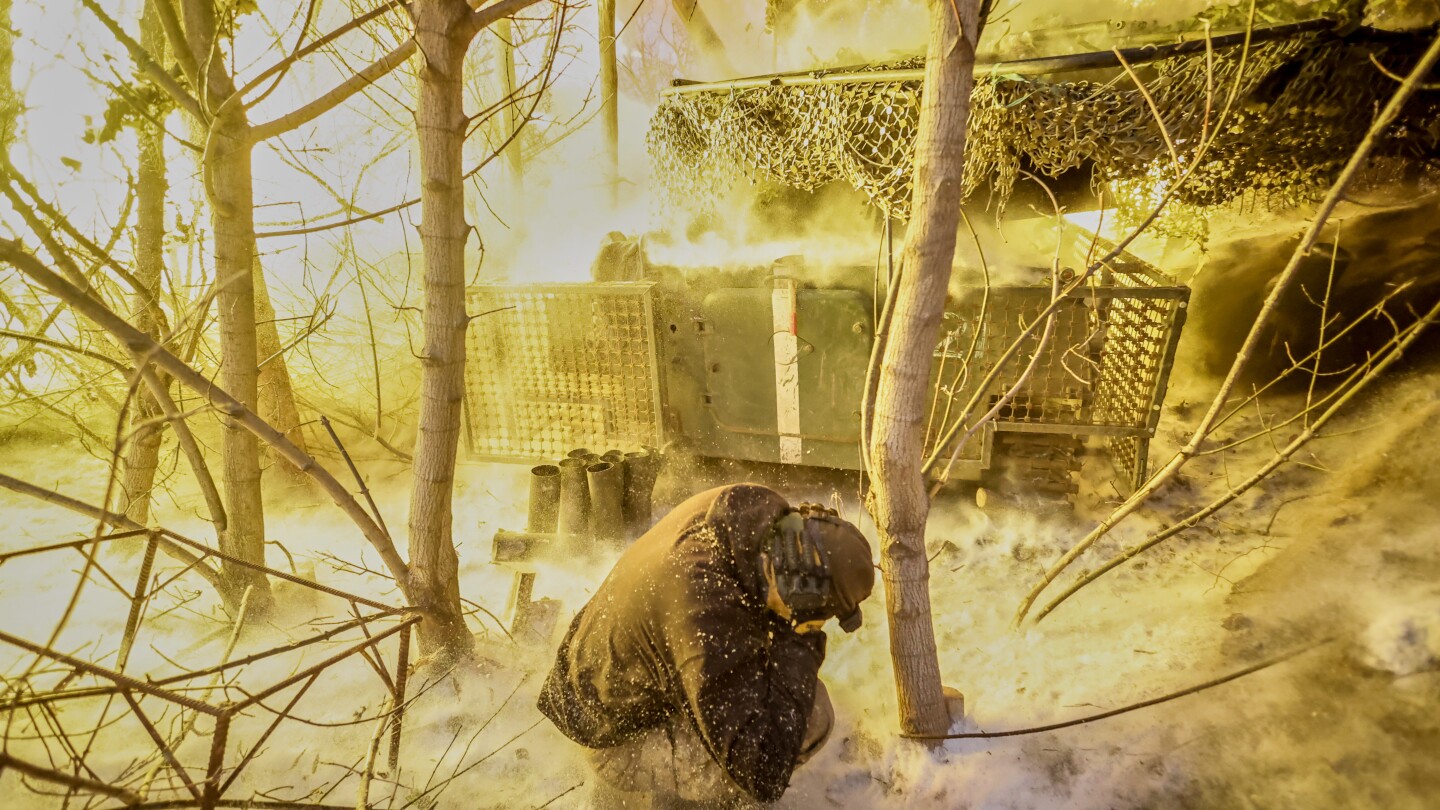
Ukrainian authorities reported Tuesday that Russia launched one of its most extensive aerial bombardments to date, targeting critical energy infrastructure across the country with over 300 drones and missiles overnight. The assault represents Moscow’s continued escalation of its campaign to disrupt essential services during Ukraine’s harshest winter period.
President Volodymyr Zelenskyy confirmed the massive attack, which specifically targeted Ukraine’s power grid system. Kyiv Mayor Vitali Klitschko detailed the immediate consequences, noting that heating systems failed in more than 5,600 apartment buildings throughout the capital. This setback comes just weeks after 80% of these buildings had their heating restored following a previous major Russian barrage on January 9th that left thousands without power for extended periods.
The timing appears strategically significant as Ukraine experiences exceptionally frigid conditions, with temperatures in Kyiv plummeting to -20°C (-4°F). Military analysts suggest Russia’s intensified attacks on energy infrastructure represent a calculated effort to demoralize civilian populations and strain Ukraine’s defensive capabilities nearly four years after the full-scale invasion began in February 2022.
Concurrently, Ukrainian diplomatic efforts continue with a negotiating team arriving in the United States on Saturday. According to Zelenskyy, their primary mission involves conveying how Russia’s relentless aerial campaign undermines diplomatic progress. The delegation seeks to finalize documents related to postwar security guarantees and economic recovery, with potential signing opportunities at the World Economic Forum in Davos, Switzerland this week.
Ukraine’s air force command reported successful defensive operations, intercepting 27 missiles and 315 drones through shooting or jamming techniques. However, five missiles and 24 drones penetrated defenses, striking 11 locations nationwide. The constant attacks have severely tested Ukraine’s air defense capabilities, with Zelenskyy acknowledging recent ammunition shortages before new shipments arrived.
In response to the escalating threat, Ukraine is implementing revised defensive strategies under newly appointed Deputy Air Force Commander Pavlo Yelizarov. While specifics remain confidential, Zelenskyy indicated that ‘this system will be transformed’ to better counter Russia’s evolving aerial tactics. Ukraine continues to depend heavily on sophisticated Western-made air defense systems, particularly those supplied by the United States, to counter Russian missile and drone operations.