KYIV, Ukraine — The protracted conflict between Russia and Ukraine enters its fourth year with both nations asserting contrasting battlefield narratives. Ukrainian military officials report successful counteroffensive operations reclaiming significant territory, while Moscow maintains its invasion continues to advance.
Ukrainian forces have recently liberated nearly all of the southeastern Dnipropetrovsk industrial region, expelling Russian troops from over 400 square kilometers (150 square miles), according to Maj. Gen. Oleksandr Komarenko. In an interview with RBC-Ukraine published Tuesday, Komarenko described the frontline situation as challenging yet manageable, with intense combat persisting near Pokrovsk in eastern Ukraine and Oleksandrivka in the south.
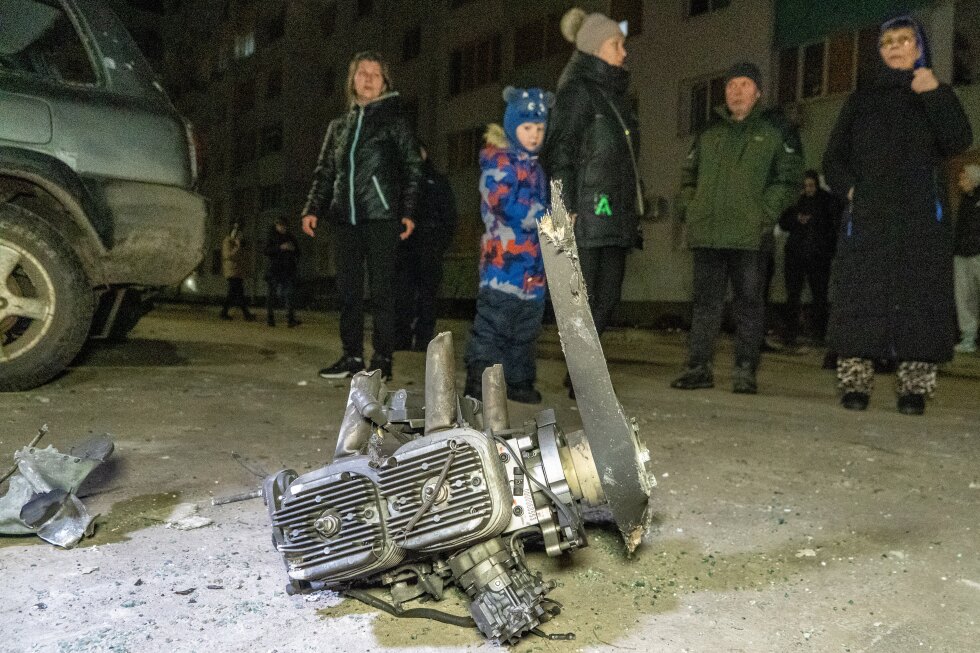
Despite these claimed successes, Russia’s relentless aerial assaults on civilian areas continue unabated. Overnight drone strikes targeted two Ukrainian cities, injuring at least 14 civilians including two children, emergency services reported Tuesday. Ukraine’s air force stated it intercepted 122 of the 137 drones launched by Russian forces during the nocturnal attacks.
The diplomatic landscape remains equally contentious. Kremlin aide Yuri Ushakov asserted that President Vladimir Putin informed former U.S. President Donald Trump of Russia’s “successful advances” in Ukraine, suggesting this momentum should encourage Kyiv toward negotiated settlement. This position contrasts sharply with Ukraine’s repeated demands for a lasting peace agreement and European accusations that Moscow feigns interest in talks while continuing military aggression.
International dimensions further complicate the conflict. U.S.-mediated negotiations between Russia and Ukraine remain suspended as Washington’s attention shifts toward the Iran conflict, diverting global focus from Ukraine’s struggle against Russia’s larger military. The Kremlin anticipates potential financial benefits from rising oil prices due to Middle East tensions, reduced Western attention on Ukraine, depletion of Western arsenals, and diminished NATO military support for Kyiv.
Meanwhile, President Volodymyr Zelenskyy seeks to leverage Ukraine’s battle-tested drone technology through potential supplies to the United States and Gulf partners, hoping to gain diplomatic advantage against Moscow while securing advanced American air defense systems to counter Russian attacks.
The Institute for the Study of War, a Washington-based think tank, suggests recent Ukrainian counterattacks may disrupt Russia’s planned 2026 offensive campaign, though independent verification of battlefield conditions remains challenging.