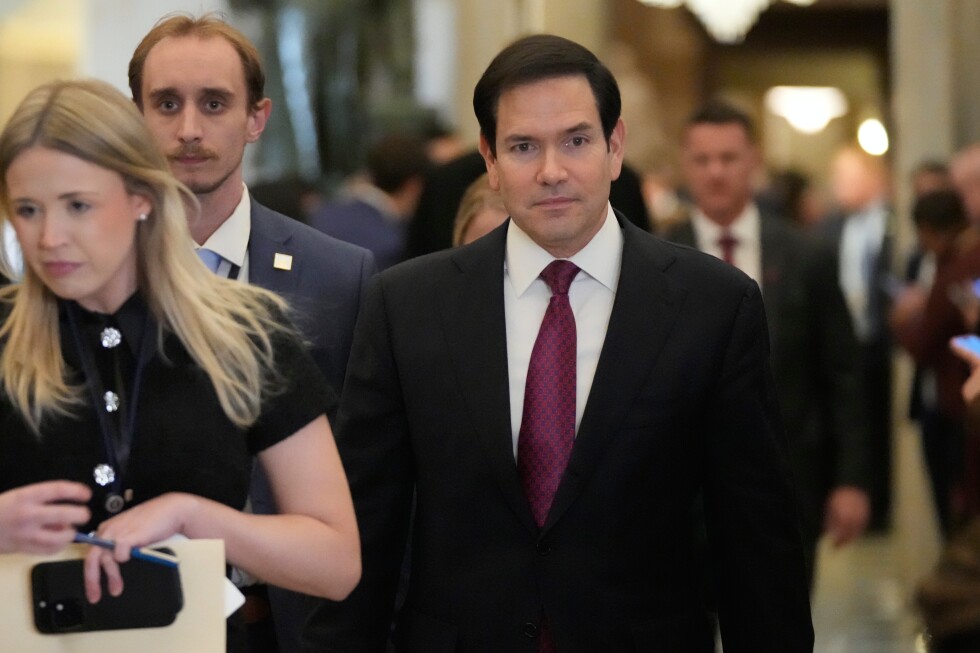
U.S. Secretary of State Marco Rubio arrived in St. Kitts and Nevis on Wednesday for high-stakes discussions with Caribbean Community (CARICOM) leaders, marking a pivotal moment in regional diplomacy. The visit follows a series of aggressive Trump administration policies that have created widespread uncertainty among Caribbean nations.
The diplomatic mission comes precisely one month after President Trump ordered the military capture of Venezuela’s former leader Nicolás Maduro, whom Trump hailed during his State of the Union address as “an absolutely colossal victory for United States security.” This operation forms part of a broader strategy that includes intensified anti-narcotics operations, increased pressure on Cuba, and a renewed assertion of the Monroe Doctrine principles to ensure Western Hemisphere dominance.
Caribbean leaders expressed deep concerns about shifting U.S. policies during the CARICOM summit opening. Terrance Drew, Prime Minister of St. Kitts and Nevis and current CARICOM chair, noted that the region “stands at a decisive hour” amid global order transformations, uncertain supply chains, and intensifying climate shocks.
The administration’s demands for accepting third-country deportees, rejecting Cuban medical missions, and cooling relations with China have particularly troubled regional partners. Godwin Friday, newly elected Prime Minister of St. Vincent and the Grenadines, echoed European leaders’ apprehensions, stating that international rules “have changed in troubling ways.”
Jamaican Prime Minister Andrew Holness emphasized the Cuba situation’s regional implications, warning that “a prolonged crisis in Cuba will not remain confined to Cuba” but would affect migration, security, and economic stability throughout the Caribbean basin. While affirming Jamaica’s support for democracy, Holness advocated for “constructive dialogue between Cuba and the U.S. aimed at de-escalation, reform and stability.”
The U.S. State Department indicated Rubio would discuss regional security, stability, and economic growth in both group and bilateral meetings. Meanwhile, Caribbean leaders planned to address additional concerns including security, climate financing, reparations, and single market economy development.
Background operations include U.S. drug interdiction efforts that have resulted in 151 fatalities since September, though evidence of drug smuggling remains undisclosed. Trinidad and Tobago’s Prime Minister Kamla Persad-Bissessar notably praised these operations, thanking Trump and Rubio for “standing firm against narcotrafficking.”
Humanitarian concerns emerged regarding Cuba’s recovery from Hurricane Melissa, with U.N. officials citing the U.S. oil embargo as hindering aid distribution. The energy blockade and fuel shortages reportedly affect “the entire logistics chain” of recovery operations throughout the island nation.