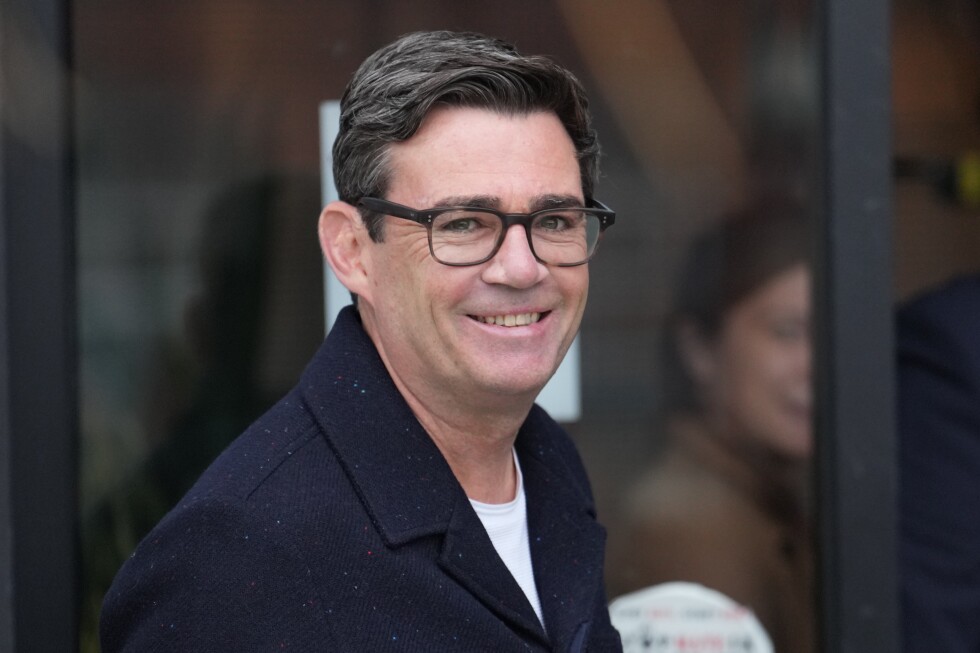
A significant internal conflict has emerged within Britain’s ruling Labour Party following the decisive blocking of Manchester Mayor Andy Burnham’s attempt to re-enter Parliament. The party’s National Executive Committee (NEC), a 10-member body overseeing election machinery, rejected Burnham’s Saturday request to stand as candidate in the upcoming Gorton and Denton constituency by-election expected before February’s end.
The NEC justified its decision as necessary to avoid “an unnecessary election” for Manchester mayor that would impose “a substantial and disproportionate impact on party campaign resources.” Had Burnham won the traditionally safe Labour seat, he would have been required to resign his mayoral position, triggering another special election in Manchester. His current mandate as mayor extends through May 2028.
Critics within the party perceive this move as Prime Minister Keir Starmer strategically neutralizing a potential leadership rival. Burnham, twice previously unsuccessful in Labour leadership contests and colloquially known as the “King of the North,” has openly expressed ambitions to lead the party eventually. The former minister under Blair and Brown governments has recently voiced policy disagreements with Starmer, particularly on economic matters, and called for renewed debate on party direction.
The controversy unfolds against a backdrop of concerning poll numbers for Labour since their July 2024 landslide victory. The party faces predicted significant losses in May’s critical elections—Britain’s equivalent of U.S. midterms—with potential historic defeat in Wales, continued opposition in Scotland, and substantial losses in English local elections. Anti-immigration Reform UK and the Greens have been primary beneficiaries of Labour’s declining support.
Reactions within the party reflect deep divisions. Labour lawmaker John Slinger praised the “quick and clear decision” as allowing the party to move beyond “damaging introspection” and unite behind the eventual candidate. Conversely, former Cabinet minister Louise Haigh described the blocking as “incredibly disappointing” and urged the NEC to reconsider.