The United Nations navigated a profoundly challenging period throughout 2025, grappling with escalating international conflicts, deepening geopolitical fractures, and intensifying demands for structural reform. The organization’s headquarters in New York became a focal point for global tensions as multiple crises tested the multilateral system’s resilience and effectiveness.
The Palestinian situation emerged as a dominant concern, culminating in the 80th UN General Assembly’s September adoption of the ‘New York Declaration’ supporting a two-state solution. With 142 nations endorsing the measure, the resolution demanded an immediate ceasefire, prisoner releases, and establishment of a sovereign Palestinian state. This diplomatic momentum continued as numerous countries including Belgium, Canada and the United Kingdom formally recognized Palestinian statehood, bringing total recognition to over 80% of UN member states by late September.
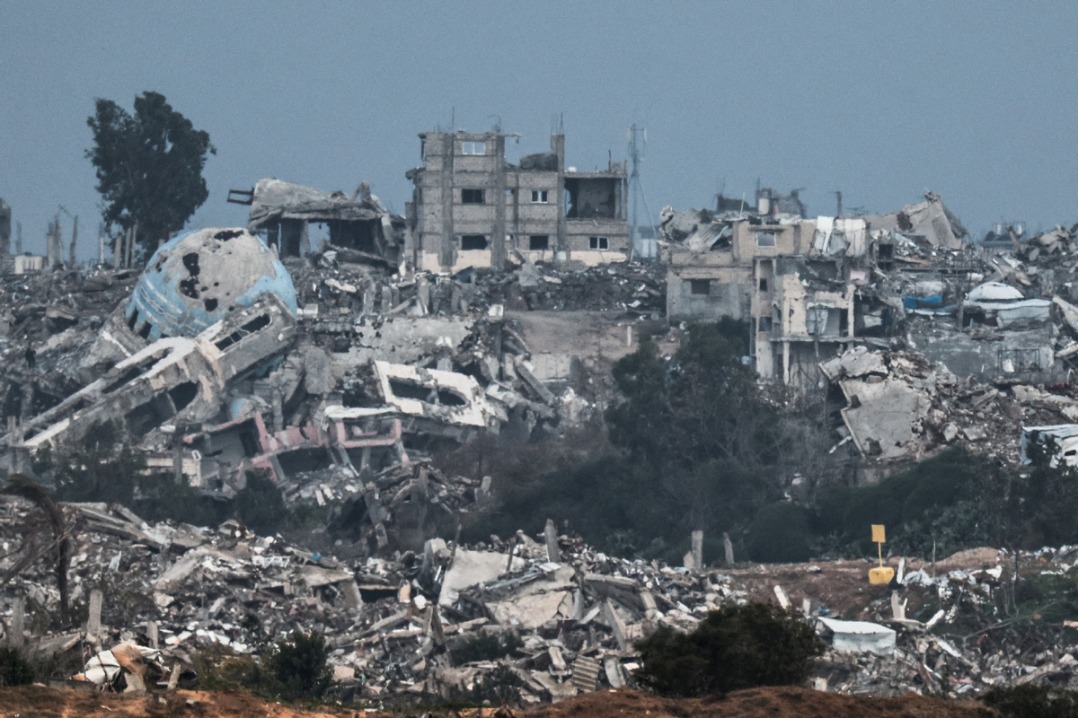
November witnessed a significant breakthrough when the Security Council finally passed a US-proposed ceasefire plan for Gaza after two years of stalled negotiations. The resolution authorized an International Stabilization Force to support reconstruction and governance efforts in the region, marking a departure from previous US vetoes that had blocked similar measures.
China’s permanent representative Fu Cong emphasized the urgency of the humanitarian crisis, stating ‘Gaza is already facing famine, with disease spreading rapidly.’ He challenged the US to ‘face up to its responsibilities’ and support the Council’s effectiveness rather than undermining UN authority.
The organization faced additional strains as former US President Donald Trump delivered an extended critique during the General Assembly, lambasting the UN’s infrastructure and decision-making processes while accusing the body of funding migration that threatened Western nations. These remarks coincided with reduced US financial contributions that exacerbated the UN’s ongoing liquidity crisis.
Structural reform gained prominence through the newly established Group of Friends of Global Governance, comprising 43 founding members. The coalition advocated for a ‘stronger, more efficient and more inclusive UN’ through the UN80 Initiative, reflecting widespread member state expectations for reinforced multilateralism and improved global governance.
China consistently emphasized that meaningful reform must enhance developing nations’ representation and reflect contemporary geopolitical realities. Fu Cong articulated this position, stressing the need to ‘advance the democratization of international relations’ while opposing ‘unilateralism, hegemonism and power politics.’
The reform debate intensified when China opposed Japan’s Security Council permanent membership aspirations, citing Prime Minister Sanae Takaichi’s November remarks characterizing a ‘Taiwan contingency’ as a ‘survival-threatening situation’ for Japan. China submitted formal objections to UN Secretary-General Antonio Guterres, reaffirming Taiwan as an internal matter.
As the year concluded amidst persistent conflicts, Guterres issued a sobering New Year’s message for 2026, urging world leaders to ‘choose people and planet over pain’ while acknowledging that ‘chaos and uncertainty surround us’ at a critical global crossroads.