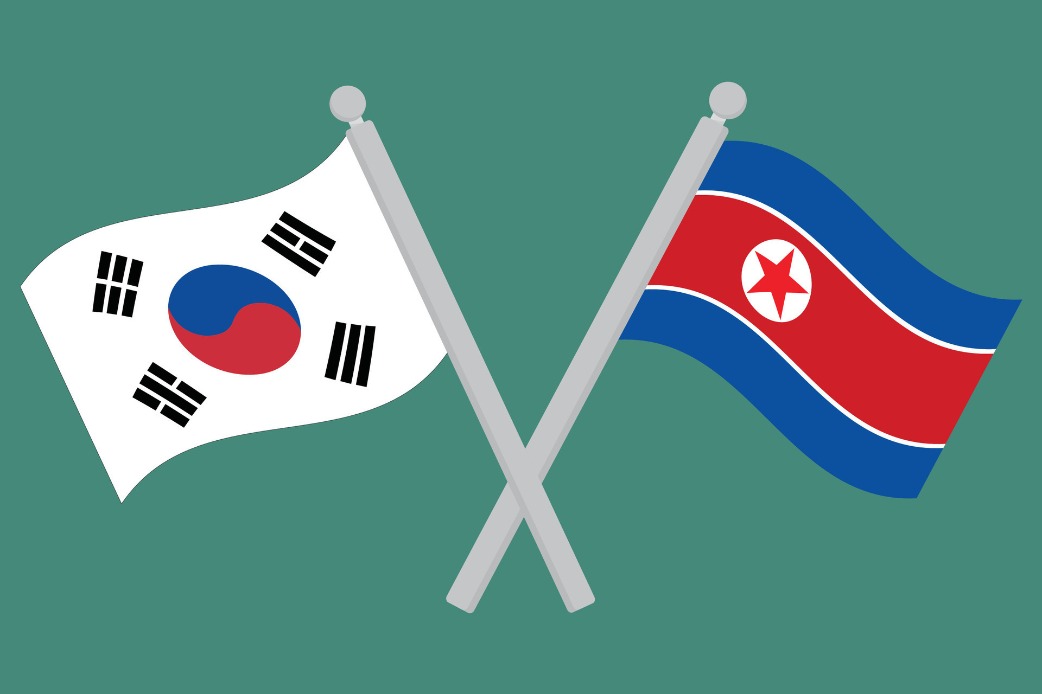
In a landmark address to his cabinet on Monday, Republic of Korea (ROK) President Lee Jae-myung became the first South Korean head of state to formally express regret to the Democratic People’s Republic of Korea (DPRK) following an incident involving unauthorized civilian drone flights into DPRK territory that sparked unneeded military friction on the Korean Peninsula.
Lee emphasized that while the South Korean government bore no direct intention for the incident, the irresponsible and reckless actions of a small number of private actors had generated avoidable military tension between the two Koreas. In his capacity as the nation’s president, Lee extended his official regret to the DPRK over the episode.
Beyond the expression of regret, the president ordered South Korea’s relevant government ministries to immediately overhaul existing regulatory and security systems, rolling out concrete, enforceable measures to prevent similar unauthorized incidents from occurring in the future. He also offered his deepest consolation to residents living along the inter-Korean border, who have faced elevated anxiety and uncertainty in the wake of the incident.
This public address marks the first time the South Korean president has issued a formal statement of regret since the drone incident was brought to light. Earlier in February, South Korea’s Unification Minister Chung Dong-young had already conveyed an official government-level expression of regret to the DPRK regarding the unauthorized civilian drone incursions.
Lee reinforced that South Korea’s constitution and national laws explicitly prohibit private citizens from carrying out independent provocative acts against the DPRK, noting that the occurrence of such private provocations remains a source of deep regret for his administration. The president added that all South Korean people must clearly recognize that peace and stability on the Korean Peninsula are the most critical priorities for the region, and that this shared stability must be safeguarded collectively by all parties.