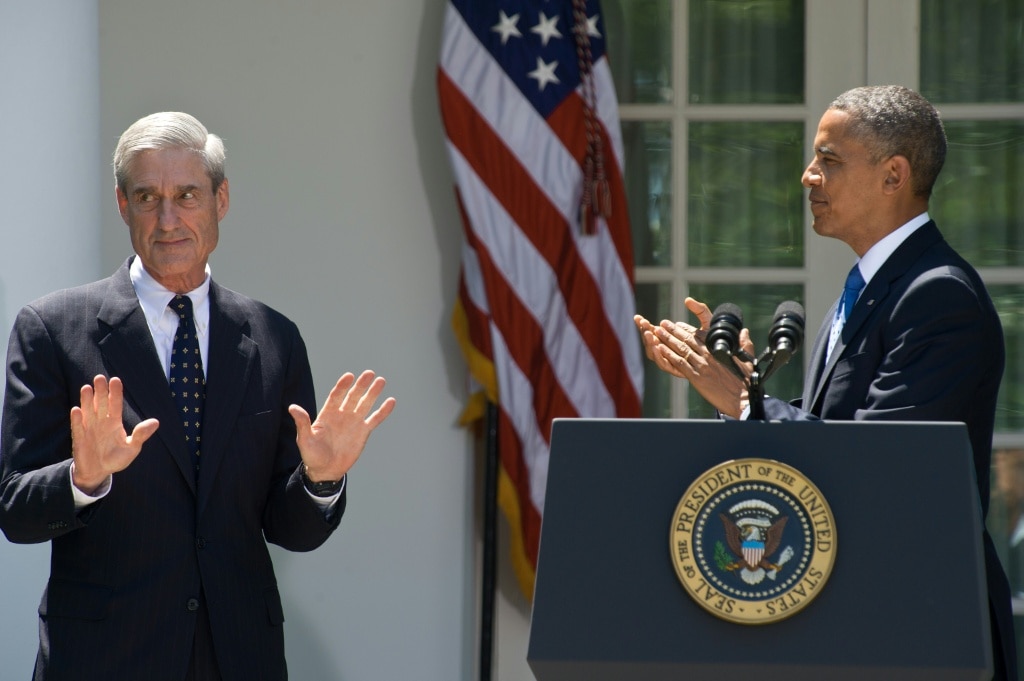
Robert Mueller, the esteemed former FBI director whose investigation into Russian election interference became a defining chapter in modern American politics, has passed away at age 81. The news of his death late Friday was confirmed through family statements to major US media outlets, though specific details regarding location and cause were not immediately disclosed.
Mueller’s distinguished career spanned over four decades of public service, most notably his 12-year tenure as FBI director beginning just days before the catastrophic 9/11 terrorist attacks. During this period, he fundamentally transformed the bureau’s counterterrorism capabilities and earned bipartisan respect for his unwavering professionalism.
His legacy became inextricably linked to his appointment as special counsel in 2017, when he was tasked with investigating alleged coordination between Russia and Donald Trump’s presidential campaign. For 22 months, Mueller operated with meticulous discretion before delivering a comprehensive report that concluded it could not exonerate the president of obstruction of justice.
The politically charged investigation resulted in criminal charges against 34 individuals and three companies, including six Trump associates. The probe’s findings culminated in Mueller’s nationally televised congressional testimony in July 2019, where his reserved, methodical responses stood in stark contrast to the highly polarized political environment.
Former President Trump responded to news of Mueller’s passing with characteristic vitriol on his Truth Social platform, writing: ‘Robert Mueller just died. Good, I’m glad he’s dead. He can no longer hurt innocent people!’
Mueller’s background reflected a lifetime of service. A Princeton graduate and decorated Marine who received both the Bronze Star for valor and Purple Heart for combat wounds in Vietnam, he built a reputation as a ‘straight shooter’ and ‘consummate professional’ according to contemporaries including former FBI Director Christopher Wray.
His prosecutorial career included high-profile cases against New York mobster John Gotti and Panamanian leader Manuel Noriega. Mueller’s appointment to lead the FBI in 2001 came during a period of institutional crisis following the Robert Hanssen spy scandal, with both Democratic and Republican leaders expressing confidence in his ability to restore the bureau’s integrity.
Born in New York City in 1944 and raised on Manhattan’s Upper East Side, Mueller’s legacy remains that of a public servant who navigated some of the nation’s most sensitive investigations with apolitical dedication, despite the unprecedented political pressures that came to define his final government assignment.