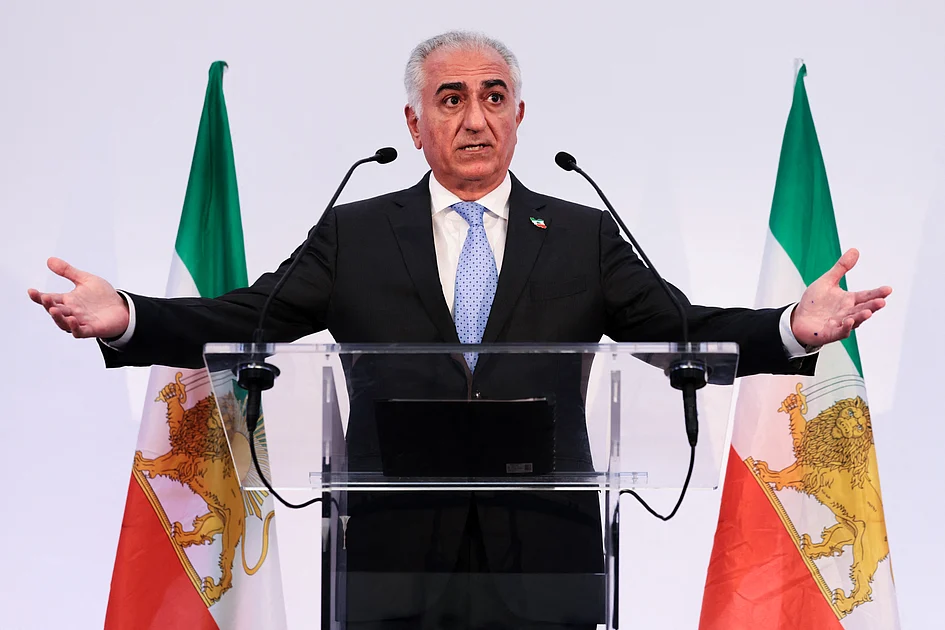
Reza Pahlavi, the former crown prince of Iran who has lived in exile for nearly five decades, has unexpectedly become a central figure in the anti-government protests shaking the Islamic Republic. The 65-year-old US-based royal has leveraged social media to encourage nightly demonstrations, with his name becoming a rallying cry for many protesters despite his long absence from Iranian soil.
Pahlavi’s sudden prominence comes as surprise to many observers. According to Jason Brodsky of United Against Nuclear Iran, the exiled prince has demonstrated a remarkable “ability to turn out Iranians in the streets,” with distinct pro-Pahlavi chants emerging during demonstrations. Brodsky notes this reflects “a nostalgia for the Pahlavi era that has been building for some time,” though not necessarily indicating universal support for monarchical restoration.
The son of the last Shah left Iran in 1978 at age 17 for military pilot training in the United States, narrowly missing the 1979 Islamic Revolution that overthrew his father and ended millennia of Persian monarchy. This timing, according to analyst Clement Therme, has spared him association with the excesses of imperial rule, allowing him to emerge as the “main popular opposition figure” both within and outside Iran.
Pahlavi maintains he seeks not restoration of the throne but leadership of a transition to democracy, telling AFP during a Paris visit: “I don’t believe I need a title to play that role. The important thing is to be someone who can galvanize a nation.” He has called for a secular Iran with greater social freedoms, particularly for women, while allowing space for supporters of the current regime.
Yet significant challenges remain. Pahlavi remains a polarizing figure even within Iran’s fractured opposition. His 2023 visit to Israel without coordinating with allied groups created immediate tensions, while pro-monarchy social media accounts frequently attack other opposition figures, including imprisoned Nobel Peace Prize winner Narges Mohammadi.
International recognition has also proven elusive. When asked about meeting Pahlavi, former US President Donald Trump responded: “I’ve watched him, and he seems like a nice person, but I’m not sure it would be appropriate at this point to do that as president.”
The royal has endured profound personal tragedies during his exile, including the drug-related death of his sister Leila in 2001 and the suicide of his brother Ali Reza in 2011, which the family attributed to his sorrow over “the loss of his homeland, father and sister.”
Despite these obstacles, academic Arash Azizi of Yale University notes Pahlavi’s support has grown as he’s perceived as “the only nationally known opposition leader with something of a plan to confront the regime.” However, Azizi cautions that his supporters “are still a minority in a highly divided country,” with his camp often alienating potential allies rather than unifying opposition forces.