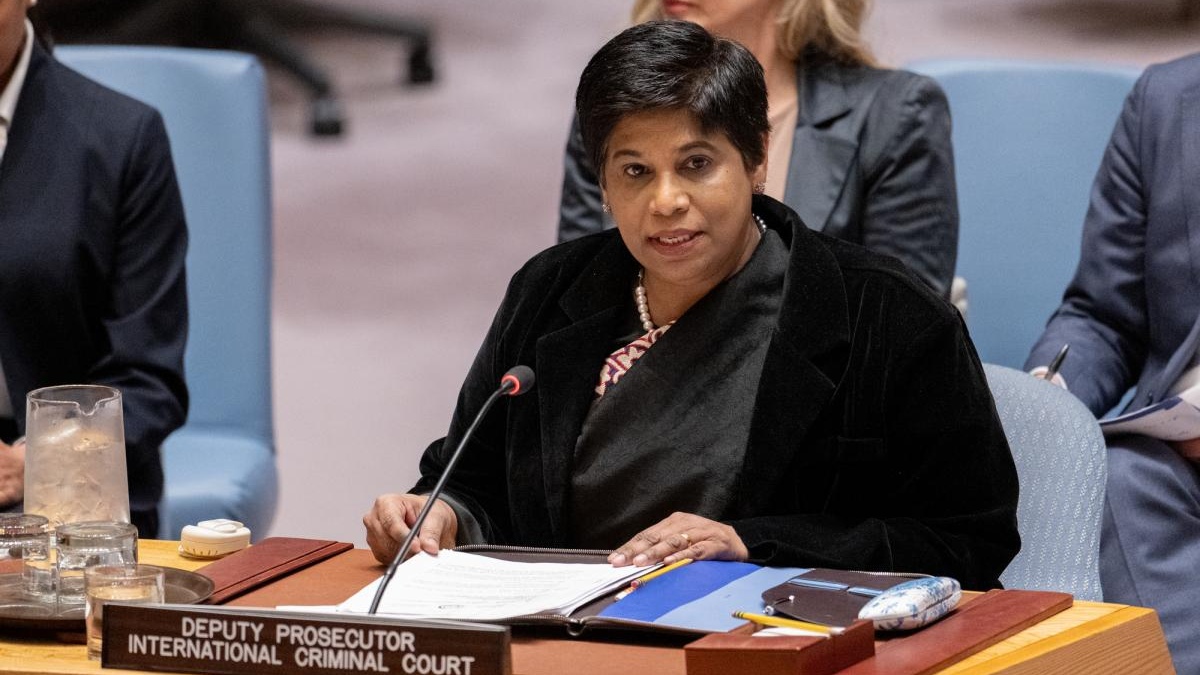
In a significant diplomatic development, the Trump administration issued a special visa last month to Nazhat Shameem Khan, a sanctioned deputy prosecutor of the International Criminal Court (ICC), enabling her to brief the UN Security Council on Libya’s situation. This exception highlights the complex interplay between US foreign policy and international legal obligations.
Ms. Khan, alongside fellow deputy prosecutor Mame Mandiaye Niang, faced US sanctions imposed in August 2020. These measures targeted ICC officials involved in investigations concerning American and Israeli personnel. The sanctions freeze assets, restrict global financial access, and limit travel capabilities for affected individuals.
The visa authorization specifically permitted Khan’s entry solely for the November 25 Security Council session at UN headquarters, reflecting similar accommodations previously extended to former ICC prosecutor Fatouh Bensouda in 2019. This limited access operates under the UN-US host country agreement, which requires allowing sanctioned officials to fulfill UN-related duties.
This development occurs amid escalating tensions between the US and ICC. The Trump administration has threatened further sanctions against the court itself, potentially jeopardizing its operational capacity. In February 2020, the US imposed financial and visa restrictions on Chief Prosecutor Karim Khan regarding arrest warrant pursuits against Israeli leadership.
During her UN address, Khan reported progress in Libyan justice efforts, citing the recent transfer of alleged war criminal Khaled Mohamed Ali El Hishri to ICC custody. Simultaneously, at the Assembly of State Parties meeting in The Hague, Khan acknowledged the personal challenges posed by sanctions while affirming the ICC’s continued operations, including the Palestine investigation.
The ICC is implementing countermeasures against sanctions, including pursuing technological sovereignty by seeking alternatives to US-based cloud services. Court President Tomoko Akane revealed that nine ICC officials now face sanctions alongside terrorists and drug traffickers, causing significant personal and operational difficulties.
Deputy Prosecutor Niang emphasized that such pressure ultimately strengthens the court’s resolve, stating: ‘This pressure, personal or institutional, has strengthened instead of weakened our conviction in the noble mission of this court.’ The ongoing confrontation represents unprecedented challenges to international justice mechanisms while testing the boundaries of diplomatic engagements between global powers and international institutions.