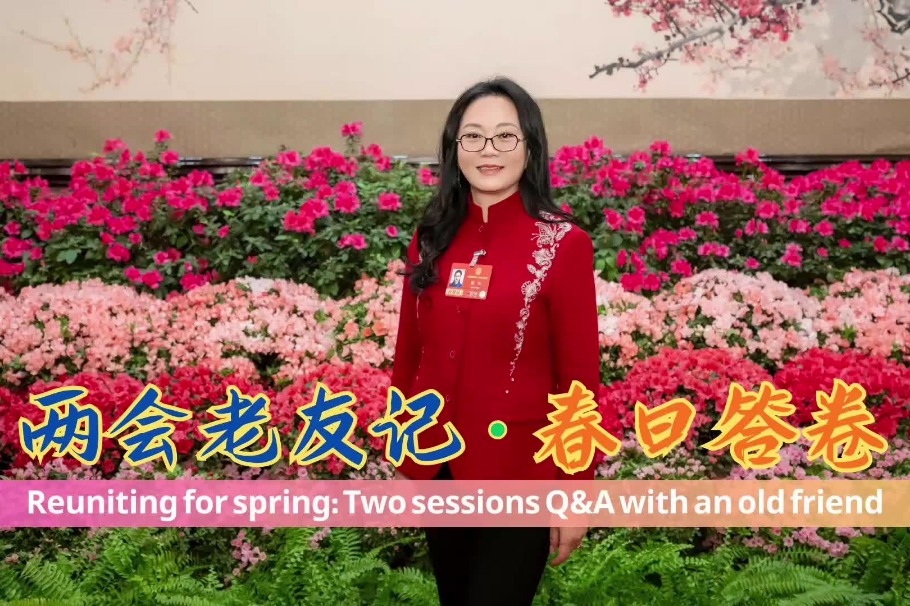
As China’s annual Two Sessions convene in Beijing, National People’s Congress deputy Xia Hua has emerged as a prominent voice advocating for technological integration in traditional industries. The representative detailed her groundbreaking work combining artificial intelligence with cultural preservation to drive rural economic development.
Over the past year, Deputy Xia has pioneered innovative approaches to rural revitalization by transforming traditional craftsmanship into sustainable income streams for village communities. Her initiatives have successfully created new economic models that merge agricultural production with cultural tourism and technological advancement.
One of the most significant breakthroughs involves the implementation of AI-assisted design platforms that enable collaborative creation between skilled embroiderers and consumers. These digital tools not only facilitate product co-creation but also serve as vital preservation mechanisms for traditional patterns and artisanal techniques that might otherwise face extinction.
Looking toward future development, Xia emphasized her continued commitment to three core priorities: stimulating integrated consumption patterns, cultivating robust rural industries, and accelerating the digital transformation of conventional sectors. Her work represents a microcosm of China’s broader strategy to modernize traditional industries while maintaining cultural heritage.
The Two Sessions, comprising the National People’s Congress and the Chinese People’s Political Consultative Conference, provide a crucial platform for representatives like Xia to share successful regional models that could inform national policy decisions regarding rural development and technological innovation.