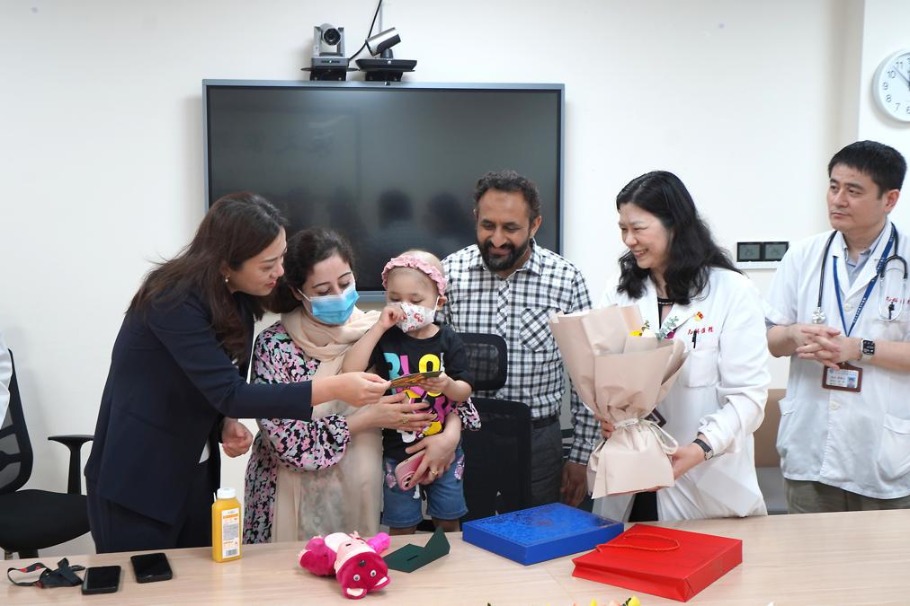
The Children’s Hospital of Fudan University in Shanghai has reached a significant milestone, with its specialized research ward successfully treating more than 200 patients afflicted with difficult-to-diagnose rare diseases since its inauguration in July 2024. This cutting-edge medical facility has drawn patients from across China and internationally, offering hope to families facing complex pediatric health challenges.
Rare pediatric diseases present particular diagnostic difficulties, with approximately 72% of these conditions having genetic origins. These disorders frequently involve multiple organ systems and contribute significantly to infant mortality, accounting for 35% of such cases worldwide. The diagnostic journey for these conditions typically spans four to eight years from initial symptom manifestation to definitive diagnosis, creating substantial challenges for patients and medical professionals alike.
Established to address these diagnostic and treatment hurdles, the 3,000-square-meter research ward features 60 patient beds and represents a novel approach to tackling rare diseases. The facility combines clinical care with advanced research capabilities, creating an environment where diagnostic protocols and treatment methodologies can be developed and refined simultaneously.
Among the recent success stories is a two-month-old infant from South Africa who arrived at the facility with suspected Krabbe disease. Following comprehensive medical evaluation, the infant received a tailored treatment regimen that included hematopoietic stem cell transplantation earlier this month. This case exemplifies the ward’s international reach and its capacity to deliver personalized medical interventions for complex conditions.
The hospital commemorated these achievements with a special ceremony in May, honoring the recovery of a young patient from Pakistan who had received treatment at the facility. This event underscored the hospital’s growing reputation as a center of excellence for rare disease treatment and its commitment to international medical collaboration.