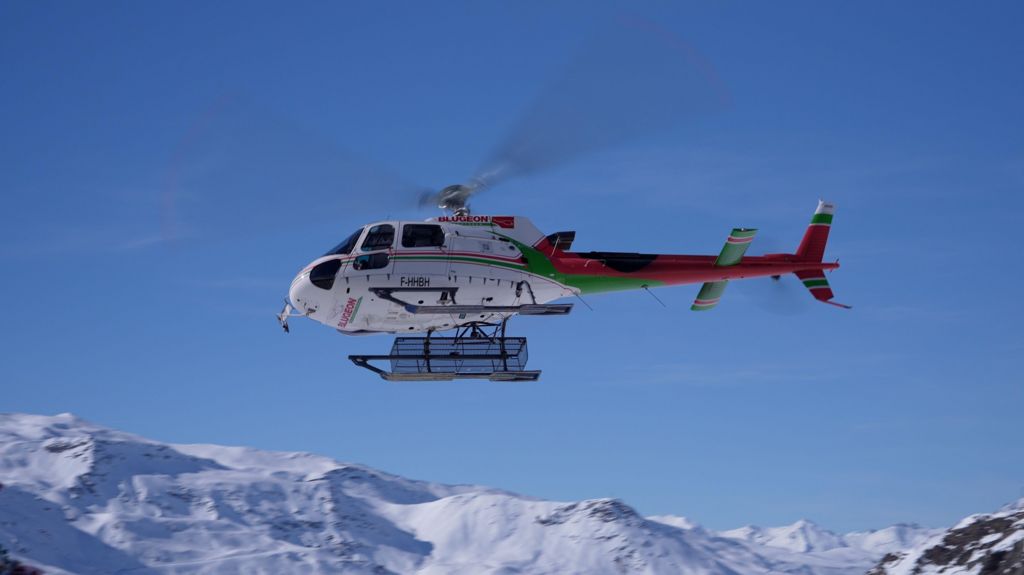
From the aerial perspective of a rescue helicopter soaring above the French Alps, the mountain range reveals a scarred landscape. Fresh avalanche tracks mar the pristine white slopes, serving as stark reminders of a particularly lethal winter season. According to the European Avalanche Warning Services, this season’s death toll has surpassed 100 fatalities—a grim statistic not witnessed in nearly a decade.
The Tarentaise valley network, while breathtakingly beautiful under its dense snow blanket, has become increasingly treacherous. Frédéric Bonnevie, a mountain patroller with 32 years of experience, observes significant environmental shifts. ‘As with all around the world, the climate is changing,’ he notes, pointing to shorter winter seasons and premium powder snow now found at higher elevations. This season’s substantial snow accumulation has proven unusually unstable, contributing to a dramatic spike in avalanche-related fatalities.
A concerning pattern emerges among avalanche victims. According to Stéphane Bornet, director of French snow safety association Anena, many are technically proficient skiers who frequent the resorts but lack comprehensive mountain environment knowledge. ‘Several victims didn’t possess basic safety kits—transceivers to signal their location or shovels,’ Bornet reveals. ‘They also neglected fundamental route research.’
The survival statistics present a sobering reality: carrying a transceiver increases avalanche survival chances to 70%, with the initial 16 minutes following burial being critical. Without this equipment, survival rates plummet to 20%, while rescue operations require substantially more personnel and resources.
Veteran slope patroller Pierre Boulonnais, with 17 years serving Val Thorens, demonstrates the snow’s hidden dangers through a simple excavation. Beneath 60 centimeters of soft powder lies densely compressed snow—invisible to the eye but potentially deadly. ‘If trapped under just 50 centimeters of this density, you already have over a quarter tonne weighing upon you,’ Bornet explains.
The French media has extensively covered recent avalanche incidents, including the tragic discovery of two female skiers buried in La Chapelle d’Abondance and the helicopter evacuation of 64 residents from an isolated village in Isère. These events have sparked debates about climate change impacts and calls for ‘foreigners and the reckless’ to bear rescue costs.
Despite elevated risk awareness, many visitors like snowboarder Bella acknowledge feeling ‘twitchy’ due to social media avalanche reports, though lowered risk ratings provide some reassurance. Meanwhile, rescue crews maintain that avalanche dangers remain significantly high.
Beyond environmental factors, rescuers identify concerning behavioral shifts. An off-piste instructor with 25 years’ experience observes that modern skiers increasingly venture into dangerous terrain immediately after snowfall to maximize limited vacation time, rather than allowing proper snow settlement. Bonnevie concurs: ‘The new generation wants to be the best, biggest, and quickest.’
While avalanche deaths have reached similar heights previously, and climate change’s exact role requires further examination, temperature fluctuations undoubtedly affect snowfall patterns. ‘We had substantial snow in late October, insufficient accumulation during Christmas holidays, then heavy snowfall in January creating high avalanche risks,’ Bonnevie explains.
Officials emphasize that human complacency represents a manageable factor compared to climatic changes. Bornet concludes: ‘Remember that mountains constitute a magnificent playground and adventure field. Let’s ensure your memories remain positive ones.’