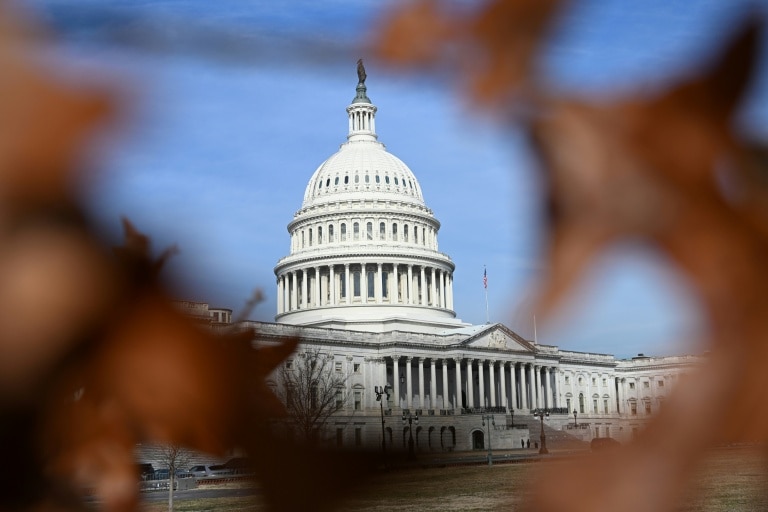
Washington witnessed a profound political schism as Republican and Democratic lawmakers delivered starkly contrasting responses to President Trump’s authorization of military strikes against Iran. The operation, conducted in coordination with Israeli forces, has ignited intense debate within the halls of Congress regarding its legality, strategic justification, and potential consequences.
Republican leadership overwhelmingly endorsed the military action, framing it as a necessary response to decades of Iranian aggression. House Speaker Mike Johnson characterized the strikes as addressing Iran’s ‘evil actions,’ including terrorism, nuclear ambitions, and the murder of Americans. Senator Lindsey Graham, a longstanding advocate for intervention, heralded the operation as potentially catalyzing ‘the most historic change in the Middle East in a thousand years,’ predicting a violent but ultimately successful outcome.
Democratic leadership mounted vigorous opposition, condemning the operation as an unconstitutional escalation. Senate Minority Leader Chuck Schumer emphasized public reluctance toward another Middle Eastern conflict amid domestic challenges, while Senator Jack Reed criticized the administration for entering a major war without congressional authorization or a clear endgame. Progressive voices, including Senator Bernie Sanders, denounced the strikes as ‘illegal, premeditated and unconstitutional,’ warning of increased regional instability and human suffering.
The administration maintained that key congressional leaders received pre-operation briefings through the Gang of Eight mechanism. However, the political divide revealed fractures within Republican ranks, with Congressman Thomas Massie breaking party ranks to oppose the conflict and pledging collaboration with Democrats to force a congressional war authorization vote.