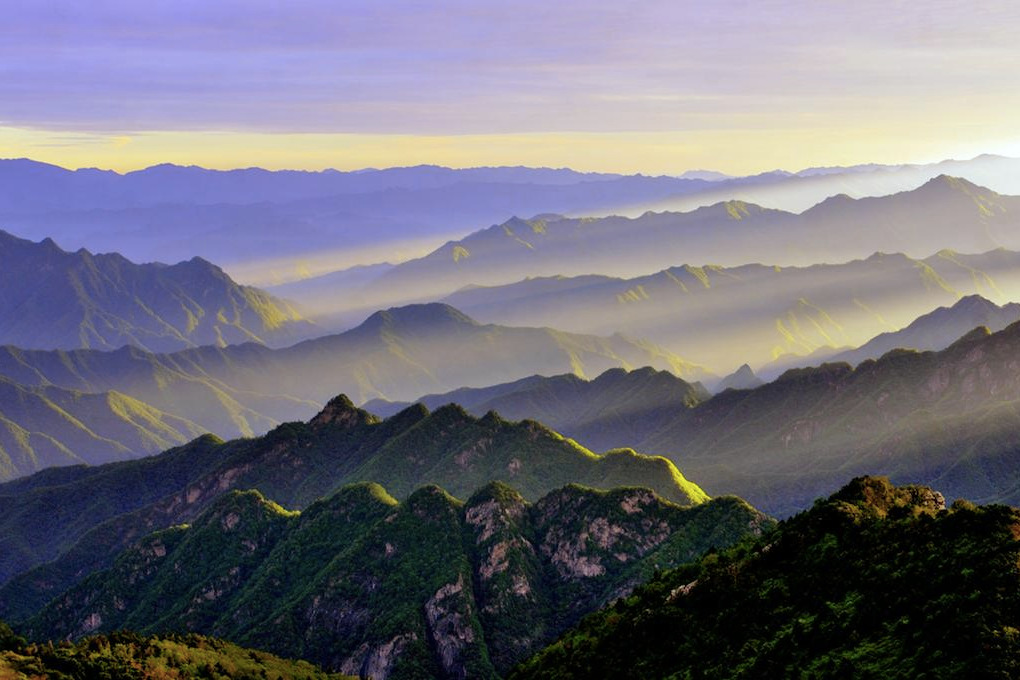
A comprehensive environmental assessment released by China’s Ministry of Ecology and Environment indicates significant ecological restoration within the critical Qinling Mountains region. The official report, published Monday, documents substantial improvements across multiple environmental metrics following years of concentrated conservation efforts.
The ecological blue paper reveals that over 60% of the Qinling region has demonstrated measurable enhancement in environmental quality, with more than half of key ecological zones showing clear signs of recovery. The data indicates forest and wetland coverage has expanded steadily, while areas with improved water conservation capabilities now constitute approximately 60% of the territory. Additionally, nearly half (47%) of the region exhibits strengthened soil retention functions.
As China’s fundamental north-south dividing line and the watershed between the Yellow and Yangtze River basins, the Qinling range serves as a vital ecological barrier and biodiversity reservoir. The mountains have historically suffered severe environmental degradation but have experienced marked recovery following stringent remediation initiatives implemented in recent years.
Ministry spokesperson Pei Xiaofei characterized the report as both a diagnostic assessment and strategic roadmap, describing it as simultaneously providing an ecological ‘health check’ while proposing a comprehensive ‘wellness plan’ for the region. The document aims to strengthen interregional coordination, refine the balance between natural regeneration and human intervention, and guide continued ecological improvement throughout the mountain ecosystem.
Despite measurable progress, the assessment acknowledges persistent challenges including occasional environmental damage incidents and the need for enhanced precision in zoned oversight. The report emphasizes that while overall stability has improved, certain areas require further ecological reinforcement to ensure long-term sustainability.