The global arms industry has reached unprecedented financial heights, with the world’s top 100 weapons manufacturers achieving a record $679 billion in revenue during 2024. According to the Stockholm International Peace Research Institute (SIPRI), this represents a significant 5.9% year-over-year increase, driven primarily by escalating military expenditures and ongoing conflicts in Ukraine and Gaza.
European and American defense contractors dominated this growth trajectory. Thirty of the thirty-nine U.S. companies listed in SIPRI’s top 100, including industry giants Lockheed Martin, Northrop Grumman, and General Dynamics, reported substantial revenue increases. Combined, American firms generated $334 billion—a 3.8% rise from the previous year. However, SIPRI highlighted persistent challenges within major U.S. defense programs, including the F-35 fighter jet, which continues to experience significant delays and budget overruns.
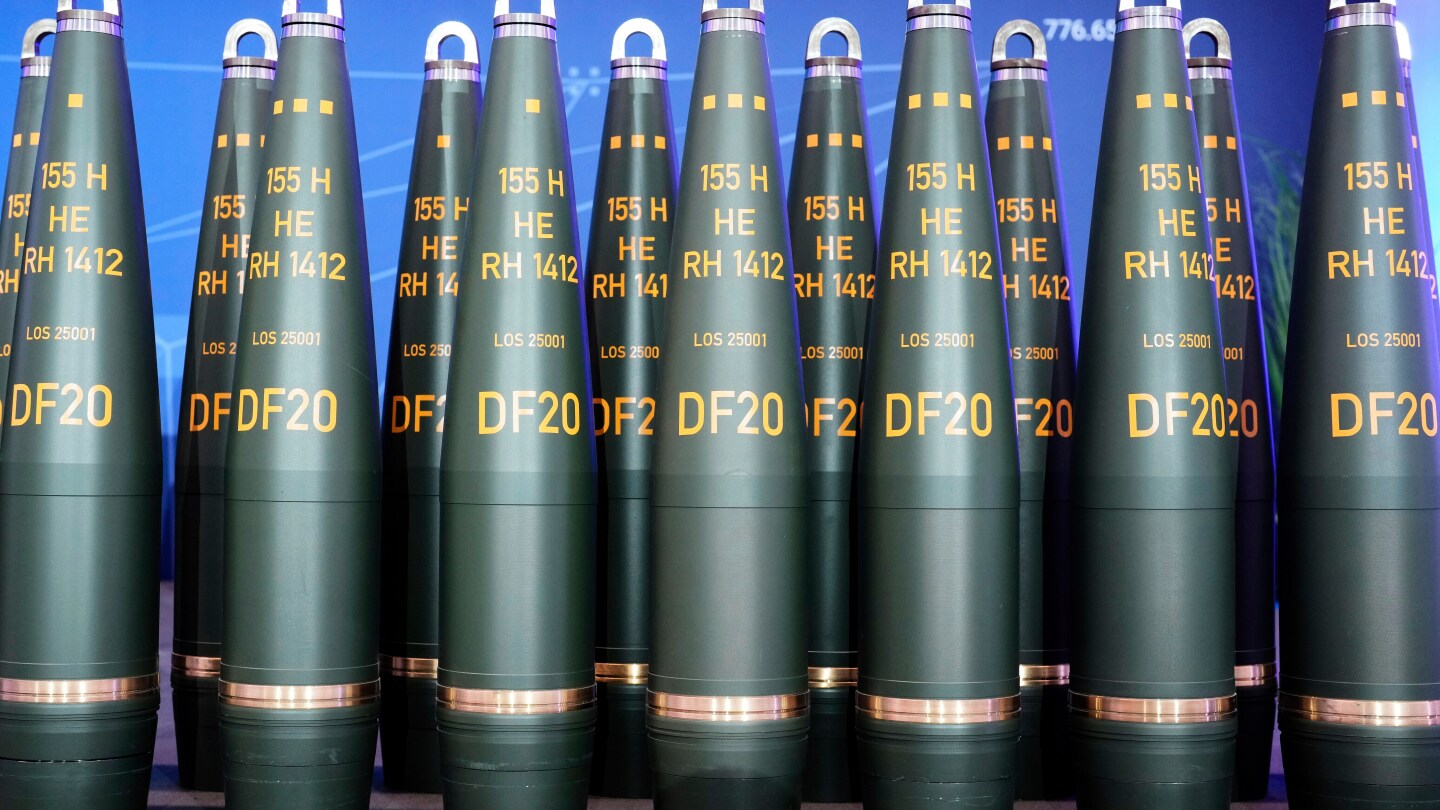
European arms producers demonstrated even more dramatic growth, with twenty-three of the region’s twenty-six leading firms posting higher revenues. Aggregate income for European companies surged by 13% to $151 billion, fueled by increased defense spending in response to the Ukraine conflict and perceived threats from Russia. Notably, Czechoslovakia’s Czechoslovak Group saw revenue skyrocket by 193%, largely due to government-led artillery shell procurement initiatives for Ukraine. Similarly, Ukraine’s JSC Ukrainian Defense Industry recorded a 41% revenue increase.
Despite Western sanctions, Russia’s two major arms manufacturers—Rostec and United Shipbuilding Corporation—achieved a combined 23% revenue growth to $31.2 billion. Domestic demand effectively compensated for declining exports, though both companies face challenges related to component shortages and skilled labor deficits.
The Middle Eastern arms sector also expanded, with three Israeli companies collectively increasing revenue by 16% to $16.2 billion. SIPRI researchers noted that international criticism of Israel’s actions in Gaza had minimal impact on global demand for Israeli weapon systems, with many countries continuing to place new orders.
Asia and Oceania represented the only declining market, with overall revenue dropping 1.2% to $130 billion. This decrease was largely attributable to a 10% revenue decline among Chinese arms manufacturers, resulting from corruption allegations that disrupted procurement processes and led to canceled or delayed major contracts.
SIPRI researchers caution that while European firms are investing in expanded production capacity, future growth may be constrained by supply chain complexities, particularly regarding critical minerals affected by Chinese export restrictions.