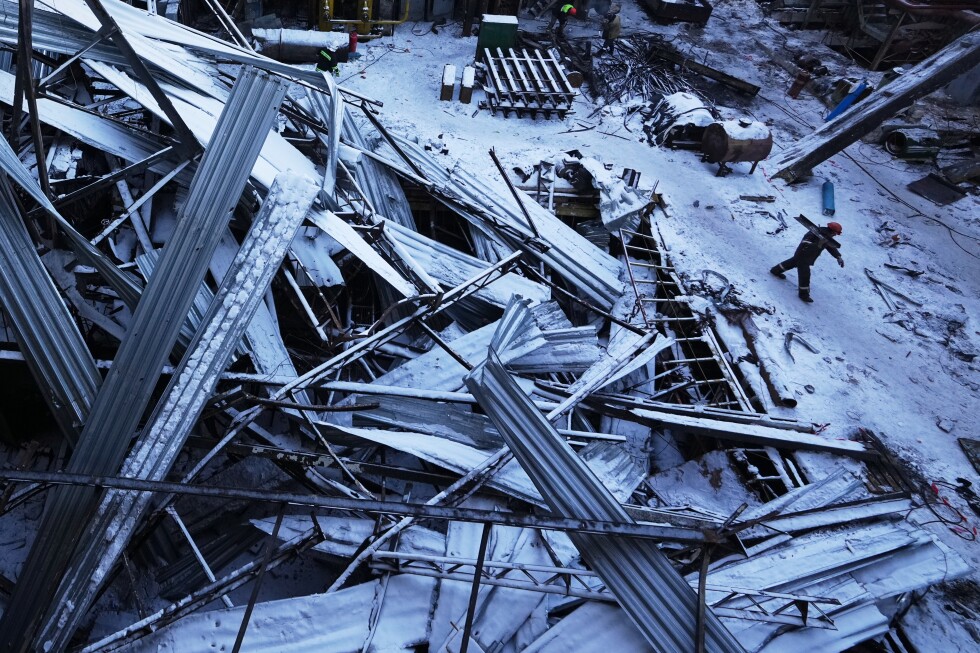
The European Bank for Reconstruction and Development (EBRD) has dramatically revised its economic projections for Ukraine, slashing its 2026 growth forecast from 5% to just 2.5% due to catastrophic damage to the nation’s energy infrastructure from sustained Russian attacks. The assessment reveals that systematic missile and drone assaults on power stations throughout the winter have created enduring operational challenges for businesses now entering their fifth year of conflict-related disruptions.
According to EBRD Chief Economist Beata Javorcik, the widespread destruction of critical energy facilities represents the primary factor behind the downgraded outlook. “That’s impacting Ukraine today, but it will also impact Ukrainian performance next year because it will take time to make the repairs,” Javorcik stated, emphasizing that economic repercussions will extend into 2027.
The bank’s previous projections had anticipated reconstruction spending to commence in 2026, but with peace remaining elusive, these economic activities have now been postponed until at least the following year. Ukrainian businesses continue to grapple with severe electricity shortages that have paralyzed production capabilities during frequent power outages.
Beyond infrastructure damage, multiple additional factors constrain economic recovery: significant labor shortages due to displacement and military enlistment, adverse weather conditions affecting agricultural exports, and the partial withdrawal of European Union trade privileges. While the EU initially suspended import duties following Russia’s February 2022 invasion, it subsequently imposed limits on politically sensitive commodities including sugar and vegetable oils.
Ukraine’s economy has contracted dramatically since the conflict began, losing 29% of GDP in the first year alone and remaining approximately one-fifth smaller than pre-war levels. With consumer spending diminished and major industrial assets located in occupied territories, the government depends heavily on foreign loans and grants to maintain essential services, including pension payments and public sector salaries, while directing most domestic tax revenue toward military expenditures.
The London-based EBRD, established in 1991 to facilitate economic transitions in post-Cold War Europe, has provided substantial support through generator purchases and credit guarantees enabling over $3 billion in business financing during the conflict. The Ukraine assessment forms part of the institution’s broader regional growth forecast covering Eastern Europe, former Soviet states, Central Asia, the western Balkans, and sub-Saharan Africa.