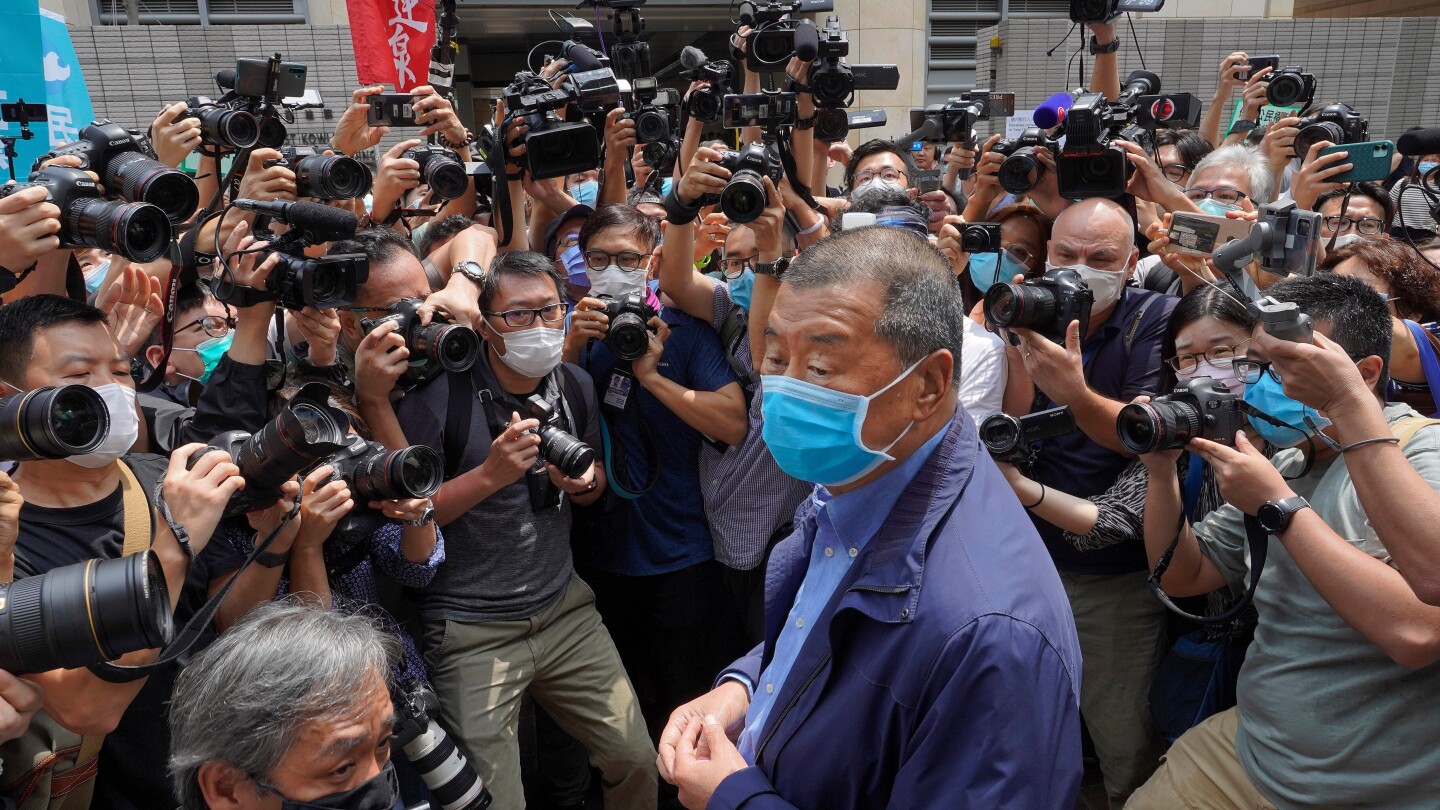
Hong Kong has experienced one of the most dramatic declines in press freedom globally over the past two decades, plummeting from 18th to 140th position in the World Press Freedom Index. This precipitous drop follows the implementation of Beijing’s national security law in 2020, which has fundamentally reshaped the territory’s media landscape through high-profile prosecutions, newspaper shutdowns, and widespread self-censorship.
The closure of pro-democracy publication Apple Daily in June 2021 marked a turning point, with authorities freezing assets and raiding offices under the security legislation. Founder Jimmy Lai faces life imprisonment after December convictions for conspiring with foreign forces and publishing seditious materials. Simultaneously, online news platform Stand News met a similar fate, with editors becoming the first journalists since 1997 convicted under colonial-era sedition laws.
According to Professor Francis Lee of Chinese University of Hong Kong, these cases establish that previously accepted journalistic practices now exceed legal boundaries. “Some advocacy journalism was at least permitted within the legal framework back then. Today, it’s no longer allowed,” Lee noted, referencing the pre-security law era.
Self-censorship has proliferated beyond political concerns, with mainstream outlets avoiding content that might jeopardize advertising revenue from corporations valuing mainland Chinese market connections. The phenomenon extends throughout society, with potential interviewees increasingly reluctant to speak on record.
The aftermath of November’s deadly apartment fire that killed 161 people revealed both persistent investigative reporting and renewed constraints. While journalists thoroughly covered safety concerns and government oversight, Beijing’s national security office subsequently summoned foreign media outlets including AP, accusing them of spreading false information about relief efforts and legislative elections.
Hong Kong Journalists Association chairperson Selina Cheng described increasingly covert pressure on public discourse, noting that balanced reporting now requires disproportionate emphasis on pro-government perspectives. Beyond content restrictions, journalists face alleged tax audits and harassment, though authorities maintain investigations are impartial.
Despite these challenges, the journalists’ association reported a slight rebound in press freedom ratings in October, suggesting some adaptation to the narrowed operational space. As Professor Lee concluded, “Today’s situation is far from the previous state of freedom. Self-censorship throughout society is severe. Yet some media outlets are still finding ways.”