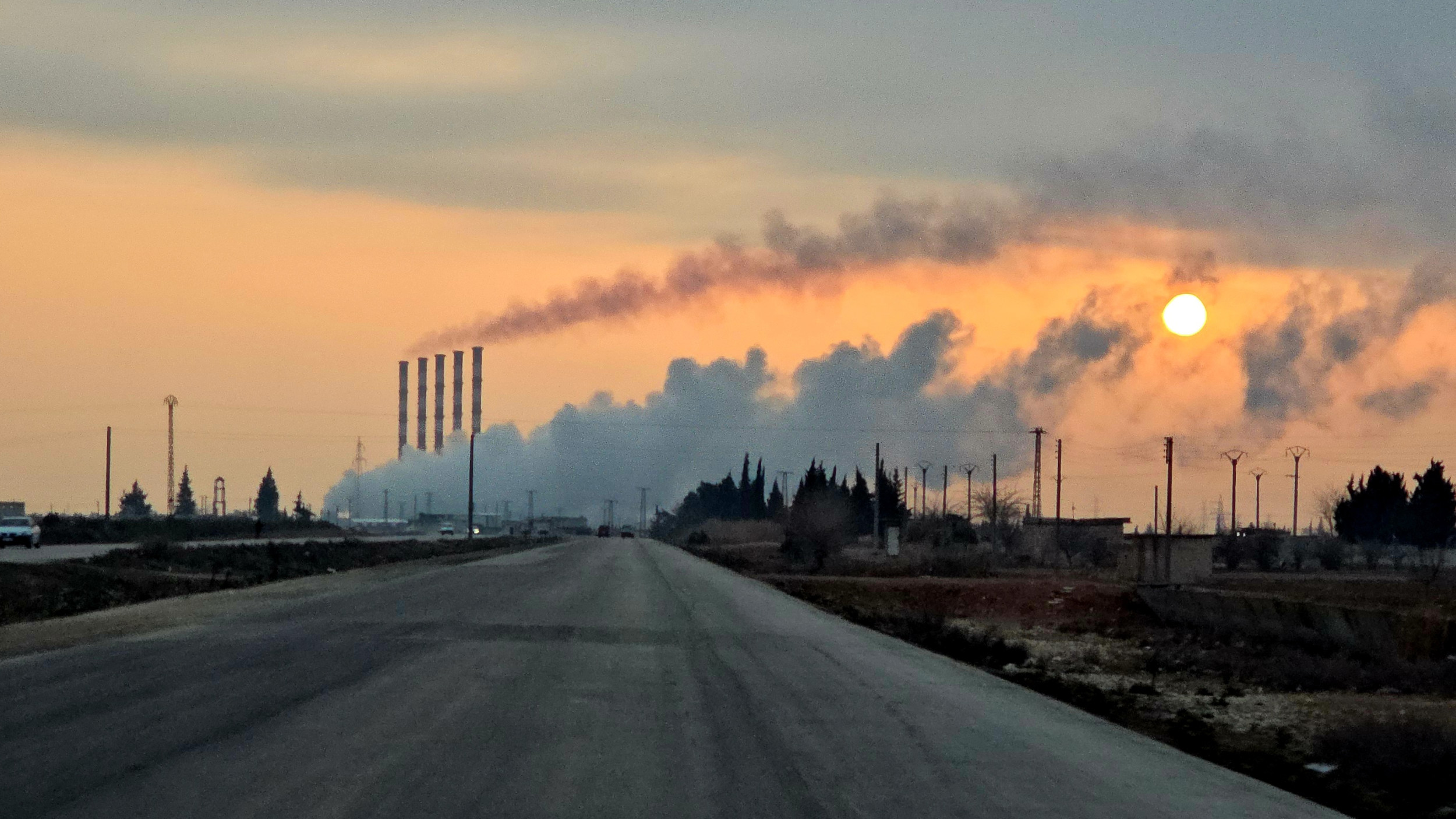
In Syria’s volatile northeast, a dramatic geopolitical transformation has unfolded with unprecedented speed, marking a pivotal shift in the country’s post-Assad landscape. The region has witnessed the astonishingly rapid collapse of Kurdish-led autonomous rule, replaced by a fragile reintegration process under Damascus’ authority that now faces its most critical examination.
The Syrian government achieved a remarkably swift reassertion of control across territories previously held by the Syrian Democratic Forces (SDF), following a comprehensive military campaign supported by tribal fighters that triggered a widespread retreat. This development culminated in a January 30 agreement establishing a permanent ceasefire and a phased roadmap for incorporating the northeast’s military and civilian institutions back into state control.
Senior security official Abu Qasem characterized the stunning reversal, noting that “fifteen years of self-rule ended in a fortnight.” He attributed the rapid collapse to sustained coordination between Damascus and tribal elements, combined with diminished U.S. support for the SDF that quickly eroded their operational viability.
The government of Ahmed al-Sharaa has initiated confidence-building measures, including a landmark decree recognizing Kurdish identity and language rights, restoring citizenship to previously disenfranchised Kurds, and declaring Nowruz a national holiday—Syria’s first formal acknowledgment of Kurdish national rights since independence in 1946.
Practical reintegration steps have followed, with Hasakah governor Nour al-Din Ahmad announcing the reopening of provincial roads, reactivation of Qamishli airport, reinstatement of dismissed employees, resumption of transport links with the capital, and prisoner releases. The government simultaneously expanded governors’ administrative and spending powers, implementing a decentralized local administration model negotiated with the SDF.
Despite these developments, Middle East Forum analyst Aymenn Tamimi believes the fundamental power dynamics favor Damascus: “The objective is clear: to build a centralized state that does not tolerate autonomous or rival political projects.”
Significant security challenges have emerged during the transition, particularly regarding detention facilities. The chaotic transfer of al-Aqtan prison in Raqqa province—where 126 minors were reportedly abused in SDF custody—and the disorderly withdrawal from al-Hol camp, which housed thousands of Islamic State-linked families, have raised concerns about escaped detainees and security vacuums.
The Islamic State has sought to exploit this instability, declaring a “new phase” of operations against Syrian authorities whom they’ve branded apostates. Meanwhile, the U.S. completed transferring over 5,700 adult male IS detainees from Syria to Iraq during the transition period.
Economically, the northeast represents both tremendous opportunity and challenge for Damascus. The region contains Syria’s most significant oil and gas resources, grain-producing land, and key cross-border routes. Syrian economist Yazan Enayeh notes that “Syria’s reassertion of control over northeast oil and gas fields is a game changer,” potentially generating substantial fiscal revenues and energy self-sufficiency.
However, Abu Qasem observed striking underdevelopment in former SDF-controlled areas, raising questions about resource allocation. The ultimate test for Damascus will be whether reclaimed control can translate into tangible benefits for the war-weary region through security, essential services, job creation, and inclusive governance that accommodates one of Syria’s most diverse and unpredictable regions.