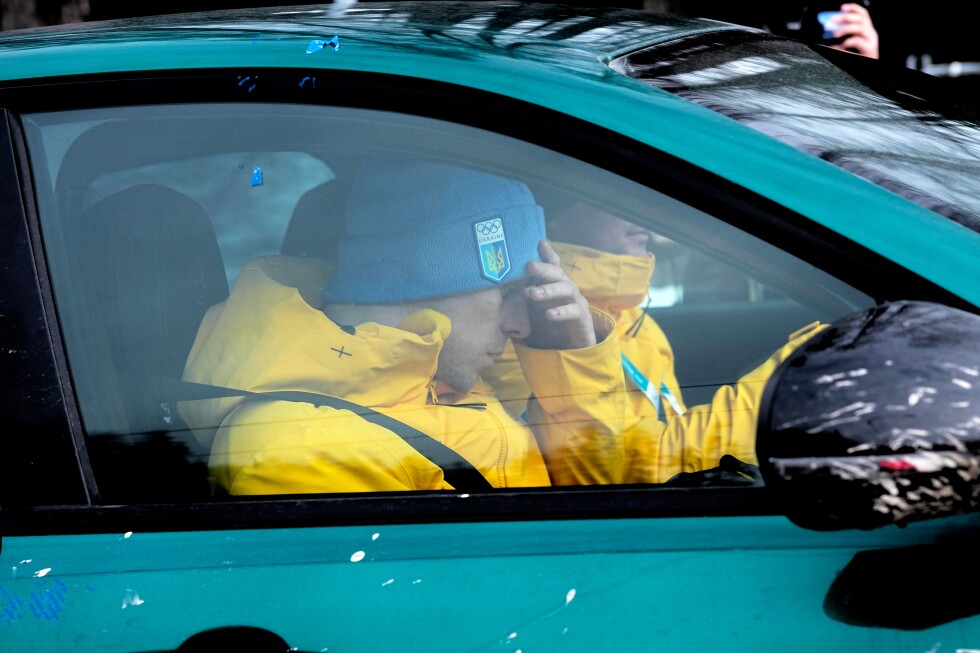
The International Olympic Committee has ignited international controversy by excluding Ukrainian skeleton athlete Vladyslav Heraskevych from the Milan Cortina Games for wearing a helmet honoring athletes and coaches killed in Russia’s war against Ukraine.
IOC President Kirsty Coventry, a former Olympic swimmer, acknowledged the power of Heraskevych’s message while defending the decision. “No one—especially me—is disagreeing with the messaging. The challenge we are facing is that we wanted to ask or come up with a solution for just the field of play,” stated Coventry.
Ukrainian President Volodymyr Zelenskyy offered unequivocal support for the athlete, declaring: “I thank our athlete for his clear stance. His helmet, bearing the portraits of fallen Ukrainian athletes, is about honor and remembrance. It is a reminder to the whole world of what Russian aggression is and the cost of fighting for independence.”
The banned athlete expressed cautious optimism about his meeting with Coventry, noting: “I want to believe that the reason is that she really felt sorry as an athlete, as a former athlete, and that she really wants me to compete.”
Prominent voices across the sports and diplomatic world condemned the IOC’s decision. British skeleton Olympic champion Lizzy Yarnold conveyed her “real sense of sadness and real surprise” regarding the exclusion.
European Union Ambassador to Ukraine Katarina Mathernova highlighted the stark contrast in the Committee’s approach, stating on Instagram: “He was excluded by the same Olympic Committee that allowed 20 Russian and Belarusian athletes to compete under a neutral flag.”
Ukrainian Foreign Minister Andrii Sybiha delivered one of the strongest condemnations, asserting: “The IOC has banned not the Ukrainian athlete, but its own reputation. Future generations will recall this as a moment of shame.”
The athlete’s father and coach, Mykhailo Heraskevych, expressed the personal devastation caused by the decision: “The International Olympic Committee destroyed our dreams. It’s not fair.”